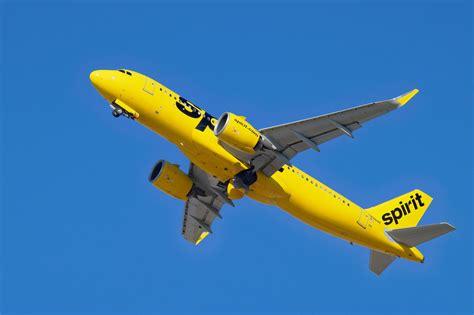
Spirit Airlines, the low-cost carrier recognizable by its canary-yellow fleet, is facing a potentially devastating financial dilemma triggered by geopolitical tensions and the ripple effects of a Trump-era tariff policy. In a recent SEC Form 10-Q filing, the Florida-based airline disclosed it may cancel or delay over 90 Airbus aircraft deliveries, a decision that underscores the deepening vulnerability of U.S. carriers reliant on international supply chains. The underlying cause? A 10% tariff on European aircraft, translating into a projected $1 billion added cost over the life of its planned fleet expansion.
Spirit’s precarious situation is emblematic of broader fractures in the global aviation market, exacerbated by escalating trade disputes that have turned essential commercial partnerships into potential liabilities. The Airbus A320neo family aircraft, cornerstone of Spirit’s expansion plans, now carry a fiscal weight that could crush the airline’s recovery strategy just as it claws its way out of Chapter 11 bankruptcy.
The High Stakes of a Tariff-Imposed Crisis
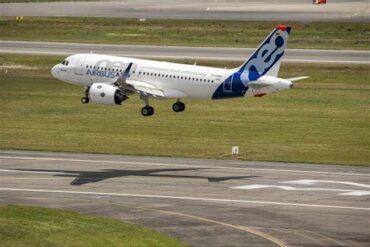
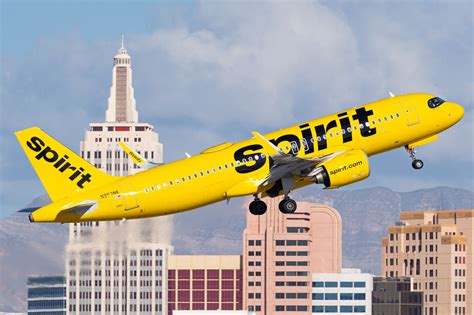
Spirit Airlines operates an exclusively Airbus fleet, currently composed of 195 A320-series aircraft. These planes form the operational backbone of its ultra-low-cost model, offering efficiency, fleet commonality, and lower maintenance costs. However, this monotype dependence has now become a strategic liability. The U.S. tariffs, introduced under the guise of protecting Boeing amid long-standing trade disputes with the EU, have retroactively inflated aircraft acquisition costs across the board.
With 92 new Airbus A320neo family planes scheduled for delivery through 2031, Spirit faces the prospect of paying an estimated $1 billion more, solely due to the tariff impact. This figure doesn’t include maintenance parts, which are also subject to these punitive duties. The airline’s filing clearly outlines the stakes:
“The imposition of tariffs will increase the cost of imported new Airbus aircraft and parts, which in turn could have a material adverse effect on our business, financial condition and/or results of operations.”
This statement suggests not only a strategic reevaluation of pending orders, but also the possibility of a long-term operational pivot — one that could include supply chain localization, fleet diversification, or even deeper restructuring.
A Compounded Struggle: Bankruptcy, Antitrust, and Industry Pressure
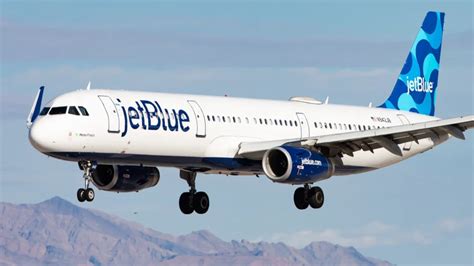
Spirit’s mounting tariff dilemma is not occurring in isolation. The airline has spent the past two years navigating existential threats, from a failed merger to financial collapse. The once-promising $3.8 billion acquisition bid by JetBlue Airways — a move seen as transformative — was ultimately blocked in March 2024 by a federal judge on antitrust grounds, citing reduced competition in an already consolidated market.
The failed merger not only dashed shareholder hopes, but it also left Spirit scrambling for liquidity. In a desperate bid to stay solvent, the airline sold 23 aircraft for $519 million and began furloughing pilots in late 2023. Just one month later, it filed for bankruptcy. Though it emerged from Chapter 11 in March 2025, Spirit’s balance sheet remains fragile, its operational vision unsettled, and its recovery path uncertain.
An added $1 billion capital requirement for essential aircraft threatens to undercut the slim margins and aggressive cost discipline on which Spirit’s business model is predicated. And for an airline targeting market repositioning from ultra-low-cost to upmarket appeal, these capital constraints could derail strategic investments in customer experience, route expansion, and fleet modernization.
Airbus in the Crosshairs: Transatlantic Tensions Reignite Supply Chain Risks
Airbus has long been the go-to manufacturer for low-cost U.S. airlines, thanks to its fuel-efficient designs, favorable financing, and capacity options tailored to point-to-point models. Carriers like Frontier and Spirit have benefitted enormously from bulk orders and operational streamlining associated with single-type fleets.
Yet the imposition of tariffs — originally a response to WTO disputes over aerospace subsidies — has shattered that efficiency calculus. Not only are new aircraft more expensive, but maintenance, spare parts, and supply agreements tied to Airbus now carry hidden costs that erode their economic advantage. Airlines like Spirit are being forced to reconsider their most fundamental partnerships, weighing short-term pain against long-term fleet strategy.
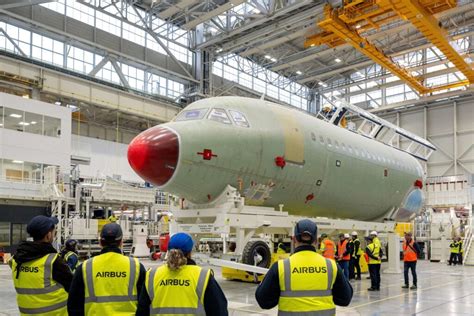
If Spirit cancels its Airbus orders, the consequences could ripple far beyond its own corporate walls. Airbus could face cascading order delays from other U.S.-based clients, triggering shifts in production schedules, renegotiations, or even legal disputes. Meanwhile, Boeing — the intended beneficiary of these trade maneuvers — remains plagued by production and certification delays of its own, limiting its ability to capitalize on Airbus’s woes.
Market Reactions and Industry Implications
Financial analysts and aviation experts are closely watching Spirit’s next move. Post-bankruptcy recovery stories rely heavily on predictability and strategic clarity, and a public feud with Airbus over tariffs may scare away potential investors or lessors. Worse still, uncertainty over Spirit’s future fleet could raise operational reliability concerns, especially as it enters peak summer travel season.
The timing could not be more precarious. With fuel prices fluctuating, consumer behavior shifting toward value-driven travel, and global aviation facing renewed scrutiny over emissions and efficiency, Spirit’s identity crisis could push it further into obscurity unless addressed decisively.
There is also the possibility that Spirit’s predicament could reignite lobbying efforts to suspend or modify tariffs, especially if other carriers begin to signal similar distress. Though the Biden administration has maintained most Trump-era trade restrictions for leverage, pressure from the domestic aviation industry could force a reevaluation of policies that now appear more harmful than protective.
Strategic Pathways: Spirit’s Dilemma Moving Forward
In practical terms, Spirit Airlines now faces three potential pathways, none of them easy:
- Absorb the Costs – Proceed with Airbus deliveries, paying the tariffs and hoping for fare increases, operational savings, or renegotiated contracts to soften the blow.
- Postpone or Cancel Orders – Delay or reduce its Airbus intake, preserving cash but compromising fleet growth and future competitiveness.
- Shift to Alternative Suppliers – Consider transitioning to Boeing or smaller regional manufacturers, though that would upend its maintenance and pilot training infrastructure.
Each path has steep tradeoffs. Absorbing costs could deepen losses. Delaying growth would erode market share. Transitioning fleets would take years and billions — far more than the tariff cost itself.
A Canary in the Aviation Coal Mine
The irony is cruel. Spirit Airlines — once the shining example of how modern fleet management and aggressive cost-cutting could deliver consistent profits in a cutthroat market — now finds its very strategy backfiring under geopolitical weight. It is the proverbial canary in the coal mine, warning the broader U.S. aviation ecosystem of the real costs of weaponized trade policy.
What happens next with Spirit will have implications far beyond its balance sheet. Will the federal government intervene or reassess tariffs in light of economic harm? Will Airbus provide pricing relief or pursue relocation strategies to circumvent duties? Can Spirit find a route to survival without sacrificing its growth or customers?
The answers to these questions will shape not just the airline’s trajectory, but also set a precedent for how airlines, regulators, and manufacturers navigate a world where planes are more than machines — they’re political statements. Until then, Spirit Airlines must fly with one engine tied behind its back — and hope for tailwinds that don’t come with a customs bill.