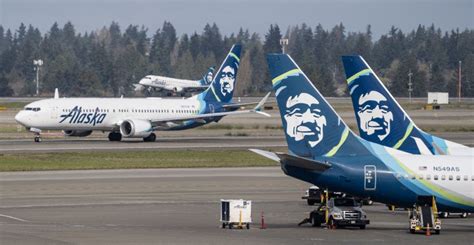
Alaska Airlines, one of the most recognized names in American aviation, has announced the cancellation of more than a dozen daily flights due to complications tied directly to newly imposed tariffs. These cancellations stem from the airline’s inability to accept scheduled aircraft deliveries, a consequence of import tariffs that have snarled aviation supply chains and left carriers scrambling to maintain service reliability. This development underscores a broader, industry-wide vulnerability to geopolitical policies that disrupt global trade and logistics.
Tariffs Block Embraer Jet Deliveries
The immediate catalyst for the cancellations lies in the 10% import tariff on Brazilian-manufactured aircraft, a policy measure enacted in April. Alaska Airlines was scheduled to receive two Embraer 175 jets from Brazil in May to expand the fleet of its subsidiary, Horizon Air. However, the tariff made taking delivery financially unfeasible. Rather than absorb millions in additional costs, Alaska Airlines opted to defer acceptance of the jets indefinitely.

The jets, which were expected to boost service capacity across the Pacific Northwest and other western regions, were critical for the summer travel season. Without them, Alaska Airlines has been forced to make difficult decisions about where and how to scale back service. These aircraft, each capable of carrying 76 passengers, form the backbone of Horizon Air’s regional network.
“We deeply regret the impact this situation will have on our guests this summer,” Alaska Airlines said in a public statement. “We are focused on controlling what we can control — including costs, productivity, and taking care of our guests. We will not accept additional costs imposed by tariffs throughout our supply chain.”
Horizon Air Bears the Operational Burden
Horizon Air, the regional subsidiary operating exclusively with Embraer jets, is feeling the brunt of the fallout. Alaska Airlines’ mainline fleet is composed entirely of Boeing aircraft, so it relies heavily on Horizon to connect smaller markets to its major hubs. This includes routes to and from Alaska, California, Colorado, Utah, western Canada, and cities throughout the Pacific Northwest.
Without the new planes in its arsenal, Horizon must reduce its service capacity. The result is a daily cancellation of 14 flights through at least the end of July, significantly affecting connectivity for passengers in smaller, often underserved markets. The airline has stated it is carefully choosing which flights to cancel to avoid isolating any single community entirely.
“We don’t take these decisions lightly,” Alaska emphasized. “We assessed our network and protected the communities that already have limited service. Our teams are working around the clock to reaccommodate all impacted guests.”

How Tariffs Ripple Through Aviation
While the tariff in question was implemented as part of a broader push by the U.S. government to encourage domestic manufacturing and rebalance trade deficits, its impact on aviation is particularly acute. Aircraft manufacturing is a globally integrated process, with major components and entire fuselages often produced overseas before final assembly and delivery.
The 10% tariff on Brazilian imports comes amid a larger shift in American trade policy, particularly under the Trump administration’s aggressive trade stance. These policy shifts are not only affecting aircraft acquisitions but also critical parts and materials needed to maintain existing fleets. For airlines operating under tight margins, even a small increase in input costs can lead to strategic cutbacks.
Delta Air Lines, facing a similar challenge earlier in the year, avoided tariffs by routing its new Airbus A350s from France to Japan, ensuring the planes were not considered new upon entering U.S. territory. This clever workaround saved the airline millions but also illustrates the kind of logistical gymnastics carriers must now perform to stay ahead of unpredictable trade barriers.
Routes Affected and Community Impact
The suspended aircraft were primarily meant to serve regional routes with high frequency but lower passenger volumes — markets where Horizon plays a vital role. Alaska Airlines clarified that no city is losing service entirely; instead, they are reducing frequencies on routes with multiple daily departures.
This strategy, while minimizing isolation, still results in significant inconvenience for passengers. Summer travelers relying on short-haul connections to reach major hubs now face longer layovers, rerouted journeys, or flight delays. Business travelers, in particular, may find that their usual itineraries are no longer viable.
The economic impact may also reverberate across local airports that depend on regular airline traffic for revenue. Reduced flight activity can affect airport employment, on-site concessions, and long-term strategic planning for service expansion.
Alaska Airlines’ Strategic Response
Alaska’s response to the crisis has been multifaceted. Beyond public communication efforts and customer re-accommodation, the airline is reevaluating its supply chain strategies and long-term procurement models. With global trade conditions increasingly volatile, carriers may shift toward more localized or diversified manufacturing partnerships to mitigate future tariff risk.
“We are managing this issue with a focus on long-term resilience,” a senior executive said in an internal memo. “The aviation industry must adapt quickly, and we’re committed to finding new solutions to deliver dependable service while protecting our cost structure.”
At the same time, Alaska has remained steadfast in its decision not to pass costs on to consumers through fare hikes. This stance, while admirable, adds further pressure on its margins and limits financial flexibility as the peak travel season approaches.
Industry-Wide Implications: A New Normal?
The situation with Alaska Airlines is not isolated. Across the industry, carriers are waking up to the fragility of global supply chains. Aircraft, engines, avionics, and even in-flight entertainment systems often cross multiple borders before delivery. A tariff, embargo, or customs complication at any step can derail timelines and budgets.
In response, airlines may begin to:
- Reconsider fleet diversity and procurement sources
- Form strategic alliances with manufacturers for local assembly
- Invest in pre-owned or previously delivered aircraft to sidestep tariffs
- Engage more heavily with policymakers to advocate for aviation-specific exemptions
These adaptations will take time, money, and a willingness to rethink decades-old supply chain assumptions. But as Alaska Airlines is demonstrating, inaction can lead to significant service disruptions and passenger dissatisfaction.

Political and Economic Crossroads
The imposition of tariffs on aircraft is part of a broader geopolitical chessboard involving trade balances, industrial policy, and international diplomacy. While the intent behind such tariffs is often to stimulate domestic industry or level perceived unfair practices, the short-term victims are frequently the end-users — in this case, airlines and their passengers.
Trade policy experts argue that aviation, as a high-capital, low-margin industry, is uniquely vulnerable. Unlike consumer goods, which can be substituted or locally sourced, aircraft acquisition has few alternatives. This leaves airlines highly exposed to political friction between nations.
In the case of Alaska Airlines, the Brazilian-built Embraer jets were chosen for their performance and suitability for regional operations — not for price alone. The addition of a 10% tariff changes the cost-benefit analysis dramatically and introduces planning instability that undermines future investment decisions.
What’s Next for Alaska Airlines and the Industry?
Alaska has not yet indicated when it might resume acceptance of the deferred jets. Much depends on whether the tariff remains in place and how broader trade negotiations unfold. For now, the carrier is focusing on damage control, rebooking affected travelers, and ensuring operational integrity across the rest of its network.
The implications are clear: airlines must adapt to a world where politics shape procurement as much as economics or customer demand. For Alaska Airlines, a company that built its reputation on dependability and regional access, this challenge will test its resilience and strategic foresight.
As summer unfolds and travelers seek to reconnect with family, attend events, or explore new destinations, Alaska Airlines’ cancellations stand as a visible reminder of how far-reaching the consequences of trade wars can be — not in abstract economic terms, but in delayed vacations, missed connections, and frustrated passengers at airport gates.