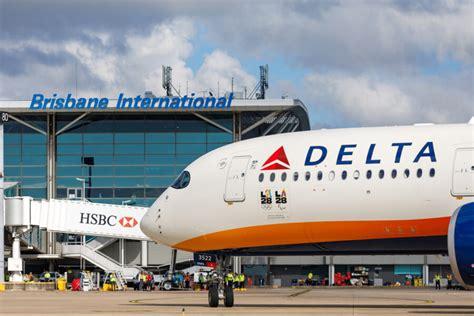
Delta Air Lines has raised serious concerns about the potential impact of newly proposed tariffs on imported aircraft and parts, warning that such trade barriers could result in the cancellation of current Airbus orders, the halt of future purchases, and the elimination of flights serving up to 10 million passengers annually. In a formal filing to the U.S. Commerce Department, the Atlanta-based carrier stated that the consequences would ripple across the U.S. economy, jeopardizing domestic manufacturing, commercial connectivity, and the long-term growth of the aviation industry.
Delta’s Dire Warning Amid Section 232 Investigation
The warning comes amid a Section 232 national security investigation initiated by the U.S. Commerce Department. This probe, which focuses on the risks posed by imports of commercial aircraft, engines, and components, mirrors similar justifications used to impose steep tariffs on steel and aluminum. If the review results in broader tariffs, the entire U.S. aviation ecosystem—airlines, manufacturers, and passengers—could face profound disruptions.
Delta’s filing emphasizes that over the last two years, it has received 47 Airbus aircraft from manufacturing plants in Canada, Germany, and France. The airline was the second-largest recipient of Airbus deliveries worldwide in the previous year. The carrier asserts that had those aircraft been unavailable due to tariffs, it would not have been able to operate services utilized by nearly 10 million travelers per year.
“Delta would likely be forced to cancel existing contracts and reconsider contracts under negotiation,” the filing states. “This would undoubtedly impact commerce and also reduce manufacturing in the United States by both Boeing and Airbus.”
Tariffs Could Reshape Delta’s Fleet Strategy
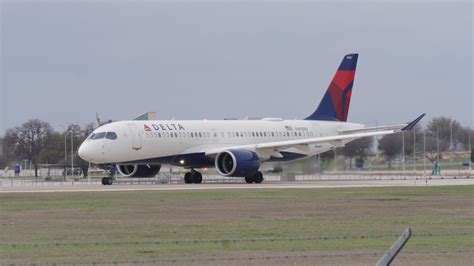
Delta currently has firm purchase commitments for 285 new aircraft, along with options for an additional 120 units. Crucially, only 100 of those are with Boeing, specifically the 737 MAX 10 model. The remainder—primarily composed of A220s, A321neos, and A350-900s—are tied to Airbus, making them highly vulnerable to tariff escalation.
Delta’s delivery schedule for 2025 and 2026 is front-loaded with Airbus models:
- A220-300: 26 units
- A321neo: 50 units
- A350-900: 20 units
- Boeing 737 MAX 10: 20 units (in 2026 only)
Of these, only the A220s built in Mobile, Alabama, will be shielded from import tariffs. Delta is also banking on the new final assembly line (FAL) at the same plant to ramp up output of the A321neo, but production capacity constraints make this uncertain. Meanwhile, all A350 widebody aircraft must be sourced from Europe, leaving them fully exposed to tariffs.
Delta Already Altering Delivery Logistics
Earlier this year, Delta began accepting widebody aircraft deliveries in Japan, sidestepping the tariff burden by avoiding direct U.S. imports. This workaround, while creative, is logistically complex and financially unsustainable in the long term. Now, the airline indicates it may escalate its response further—by deferring or even suspending aircraft orders entirely.
This represents a significant pivot from the airline’s April position, when it merely considered delaying certain deliveries. The current filing signals a new level of urgency and reflects a growing consensus among U.S. carriers that the tariff strategy could backfire.
Industry-Wide Alarm Over Tariff Fallout
Delta is not alone in raising the alarm. A coalition of industry stakeholders—from airlines and aerospace giants to trade associations—have voiced opposition to any new duties that might arise from the Section 232 probe.
- The U.S. Chamber of Commerce warned that new tariffs would “weaken U.S. manufacturers” as foreign aircraft and engines incorporate substantial U.S.-made content.
- The Business Roundtable, representing top U.S. CEOs, cautioned that retaliatory tariffs from trade partners could destabilize the global aerospace market.
- The Aerospace Industries Association, including both Boeing and Airbus, highlighted that increased material costs would endanger supply chain reliability and safety standards.
- Airlines for America, a trade group for major U.S. airlines, noted that inflating the cost structure of commercial aviation would “debilitate the industry’s ability to innovate and invest.”

Commerce Secretary Howard Lutnick has acknowledged the industry’s concern and indicated that the department intends to complete its review by the end of June. Once finalized, the report will be discussed with the President, who will make the ultimate decision on whether to implement new tariffs.
Airbus, Boeing and Domestic Manufacturing Impacts
One of the most overlooked aspects of the tariff debate is its collateral damage to U.S.-based manufacturing, including operations run by foreign firms like Airbus. The company’s Mobile, Alabama facility employs thousands of American workers and is a critical part of the regional economy. Any reduction in Airbus orders from U.S. airlines could lead to downsizing or delayed expansion of such plants.
Furthermore, Delta’s filing makes the case that even Boeing could suffer. With shared suppliers and integrated global production, both Airbus and Boeing rely heavily on internationally sourced components. Disruptions in the global supply chain would lead to higher costs, delivery delays, and reduced competitiveness, especially in markets where U.S. firms enjoy strong export positions.
The Economic Stakes: $75 Billion Trade Surplus at Risk
The United States has traditionally enjoyed a $75 billion annual trade surplus in the civil aviation sector, largely due to the success of Boeing exports and the global demand for American-made jet engines and avionics. This balance was supported by the 1979 Civil Aircraft Agreement, which eliminated tariffs on commercial aviation goods among major signatories.
Reinstating tariffs now would violate the spirit of that agreement and likely trigger retaliatory measures from trade partners such as the European Union, Canada, and Japan. The resulting trade war could decimate the very sectors that the tariffs aim to protect, creating a net economic loss.
Passenger Access and Regional Air Service at Risk
Delta’s warning goes beyond balance sheets and supply chains; it also touches on consumer access and regional economic vitality. If tariffs prevent Delta from acquiring needed aircraft, the airline may be forced to cut routes, particularly to smaller cities and underserved regions. This would reduce air connectivity for millions, stifle tourism, and limit business development in affected areas.
For a carrier with hubs in cities such as Salt Lake City, Minneapolis-St. Paul, and Detroit, which rely on robust domestic and international connections, the knock-on effects could be devastating.

A Crossroads for U.S. Aviation Policy
The Commerce Department’s impending decision on whether to impose new aviation tariffs marks a critical juncture for U.S. trade and industrial policy. For Delta, a company with nearly a century of service and deep roots in American aviation, the stakes could not be higher. Its reliance on Airbus aircraft reflects a carefully balanced fleet strategy aimed at maximizing efficiency, fuel economy, and customer satisfaction.
Upending that strategy through tariffs would not only hurt Delta’s bottom line, but also erode the global competitiveness of U.S. aviation as a whole. It would jeopardize jobs, slow innovation, and fragment international cooperation in one of the world’s most interconnected industries.
Final Thoughts: Strategic Decisions Ahead
As the June deadline looms, Delta and its peers are preparing for a range of outcomes—from intensified lobbying efforts to revised procurement strategies. But one thing is clear: the imposition of new tariffs will not be a neutral act. It will set in motion a series of economic, political, and logistical consequences that could reshape the future of commercial aviation in the United States.
For the sake of passengers, manufacturers, and American workers alike, policymakers must weigh the true costs of protectionism against the proven benefits of global collaboration in aerospace. In Delta’s view, the answer is simple: maintain an open, tariff-free market—or risk grounding progress altogether.