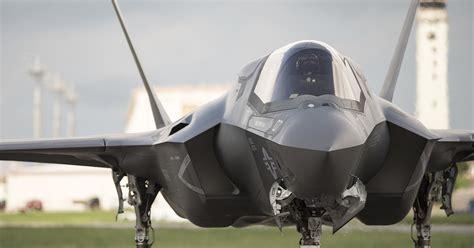
The F-35 Lightning II, hailed as the most advanced multirole fighter jet in the world, now faces a new financial headwind. Recent U.S. trade policies, particularly tariffs on foreign-sourced parts, threaten to escalate the cost of producing this next-generation aircraft. With more than a thousand suppliers scattered across allied nations, the F-35’s global production network is inextricably tied to international cooperation. These tariffs could significantly undermine the cost efficiency of what is already the world’s most expensive defense program.
F-35’s Global Supply Chain: A Web of International Collaboration
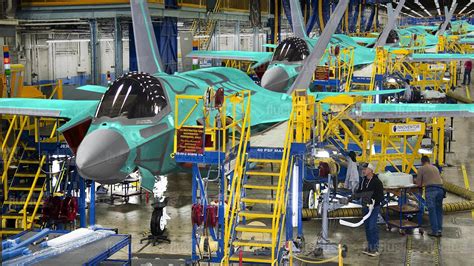
The F-35’s complexity lies not just in its cutting-edge stealth and avionics, but also in its global supply chain. The aircraft incorporates components from over a dozen countries, creating an intricate web of logistical and industrial interdependence. Denmark-based Terma A/S, for instance, plays a critical role, having produced more than 30,000 parts for the program, including sophisticated gun pods essential for certain combat variants.
Australia, another major partner, has secured contracts valued at over $3.2 billion, supplying crucial components for both propulsion and avionics systems. These contributions are vital, enhancing not only the operational capability of the aircraft but also cementing international defense partnerships. The United Kingdom, a core ally, provides high-precision parts such as ejector seats, fuselage sections, and control sticks, reinforcing the aircraft’s reputation for unmatched performance and reliability.
Tariffs: A New Threat to Cost Stability
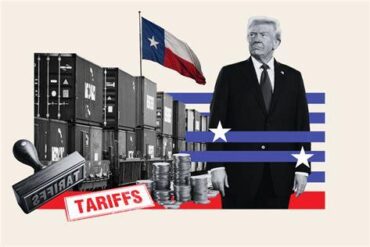
The Trump administration’s push for heightened tariffs has cast a shadow over the defense sector, particularly programs like the F-35 that depend heavily on foreign-manufactured components. The tariffs threaten to inflate the already staggering costs of production. As these components cross into U.S. borders, duties levied on them under new trade regimes could cascade into billions of dollars in additional expenses over the program’s lifecycle.
Tariffs on critical parts can ripple through the entire supply chain. For the F-35, which has seen procurement and sustainment costs scrutinized heavily by both the Pentagon and international buyers, this new financial burden could strain relationships and challenge ongoing contracts. In practical terms, governments purchasing the F-35 may need to reassess budgets, renegotiate payment schedules, or even reconsider the scale of their orders if cost increases become unsustainable.
Defense Industry’s Strategic Response
Recognizing the threat posed by these tariffs, defense contractors are actively seeking mitigation strategies. Dak Hardwick of the Aerospace Industries Association highlighted that defense firms are scouring supplier contracts for provisions under Chapter 98—a clause that allows duty-free imports for goods designated as “emergency war material.” This legal maneuver could provide temporary relief, but it’s hardly a permanent solution.
Lockheed Martin, the prime contractor for the F-35, has reassured stakeholders that its robust financial safeguards can absorb some of the impact. According to Lockheed CFO Evan Scott, “For the vast majority of our external contracts, we’ve got mechanisms to recover impacts.” This strategy includes pass-through clauses and government reimbursement policies that help buffer the company against sudden cost surges.
Northrop Grumman, another key player in the F-35 ecosystem, has indicated a more limited exposure to international tariffs, noting that only 5% of its supply chain spending is sourced overseas. However, this does not diminish the broader program’s exposure, as even a small percentage of critical parts subject to tariffs can destabilize the entire production model.
Economic and Geopolitical Implications
The potential cost hike isn’t merely a matter of corporate profit margins; it touches upon deeper strategic and geopolitical considerations. The F-35 has been a linchpin of U.S. foreign military sales, reinforcing alliances and cementing America’s leadership in global arms markets. With over 1,100 units sold to 20 countries since 2015, the aircraft has entrenched itself as a key component of allied air superiority strategies.
Should tariffs drive up costs significantly, partner nations might explore alternative platforms or push for renegotiated contract terms. Countries like Japan, Italy, and Israel—major operators of the F-35—may find themselves reevaluating long-term commitments or seeking local production offsets to mitigate expenses. The ripple effects could influence future collaborative defense projects, shaking confidence in multilateral procurement models.
Future Outlook: Balancing Security and Economics
Navigating the intersection of trade policy and defense procurement presents a formidable challenge. For the U.S., ensuring that national security interests do not become collateral damage in trade disputes is paramount. The F-35 program’s reliance on allied suppliers is not merely an economic choice but a strategic one—strengthening industrial ties with partner nations while enhancing collective defense capabilities.
Going forward, the Department of Defense may need to consider policy adjustments, including expanding domestic production of key components or deepening bilateral agreements that shield critical defense projects from the adverse effects of trade tariffs. Simultaneously, allied nations may push for greater localization of manufacturing to insulate themselves from future policy shifts in Washington.
Conclusion: A Delicate Balancing Act Ahead
The F-35 Lightning II stands as a testament to modern defense collaboration, a synthesis of international ingenuity and cutting-edge technology. However, the imposition of tariffs on its globally sourced parts underscores a stark reality: even the most advanced military platforms are vulnerable to economic forces. How defense contractors and governments navigate this challenge will not only determine the F-35’s affordability but could set the precedent for future international defense cooperation. The road ahead demands a careful balance between protecting national economic interests and preserving the strategic alliances that are vital for global security.