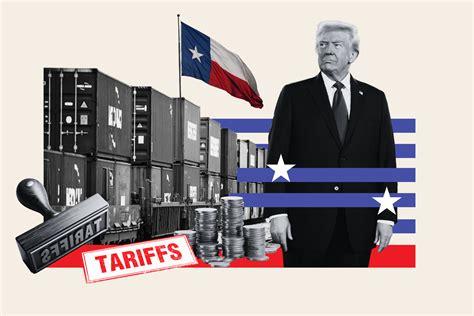
The ripple effects of President Trump’s sudden imposition of 30% tariffs on imports from Mexico and the European Union have already begun to reverberate through the travel industry, and the outlook grows darker by the day. Airlines, hotels, tour operators, and travelers themselves now confront a dizzying array of cost increases, supply‑chain breakdowns, and political backlash that threaten to stall—or even reverse—the hard‑won gains of the post‑pandemic recovery.
At the heart of this brewing crisis lies a conflict that may seem distant from airport lounges and beachfront resorts: trade policy. But the truth is that behind every inflated airfare, every canceled family vacation, and every hotel renovation put on hold, there are real people and businesses grappling with tariffs that turn once‑predictable budgets into financial minefields.
From transatlantic flights to all‑inclusive Mexican getaways, no corner of the industry is safe. Airlines are already warning of skyrocketing maintenance bills and supply shortages; hoteliers fret over imported linens and gourmet amenities; tour operators brace for a wave of cancellations; and destinations that rely on American visitors face an existential threat to jobs and local economies.
Introduction: A Storm on the Tourism Horizon
When the White House announced 30% duties on European and Mexican goods, the initial headlines spoke of trade balances and manufacturing jobs. But within days, aviation executives were calculating the added expense of replacing turbine blades, hotel general managers were calling linen suppliers in panic, and family‑run tour agencies were fielding frantic calls from clients worried about hidden surcharges.
Rather than an abstract policy debate, this is a deeply human story of shattered vacation plans, delayed hotel expansions, and precarious small businesses caught between shifting political winds. The U.S. tourism sector had just begun to claw its way back from pandemic lockdowns, only to confront a fresh—and potentially more devastating—challenge.
Trade War Morphs into Travel Crisis
Trade experts may speak in billions of dollars of exports and imports, but for airlines and hotels, the math is more granular: a 30% hike on parts that keep jumbo jets airborne, on linens that define a guest’s first impression, on bottles of Rioja served at 35,000 feet. Suddenly, every link in the global travel supply chain feels like a potential point of failure.
Aircraft maintenance contracts that once offered predictable annual budgets now threaten to blow carriers’ cost forecasts out of the water. Hotel chains with European design elements—Italian marble countertops, German heating systems, Belgian chocolates—face an uphill battle between preserving brand standards and protecting their bottom lines. Meanwhile, tour operators that package flights, hotels, and local experiences must either swallow the tariff pain or pass it directly to consumers, risking demand destruction.
Airlines Brace for Rising Operational Costs
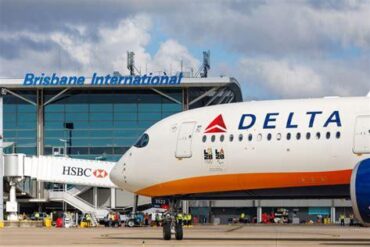
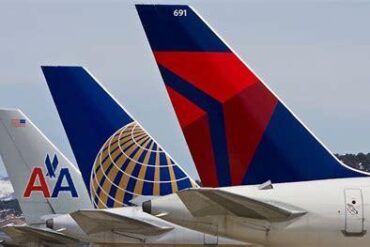
For carriers on both sides of the Atlantic, the tariff shock arrives at the worst possible moment. Premium cabins increasingly differentiate themselves through gourmet offerings—French wines, Italian champagnes, artisanal cheeses—which now carry hefty duties. Maintenance flights that ferry spare engines, avionics boards, and specialized tooling to U.S. hubs will cost airlines millions more each quarter.
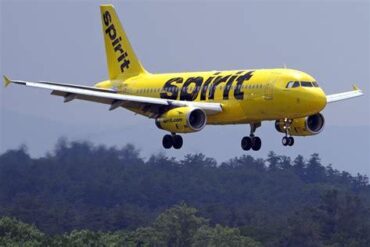
Low‑cost carriers are not immune. Even budget airlines rely on imported components and catering items to keep their operations smooth and profitable. As margins tighten, carriers may be forced to reduce flight frequencies, cancel thinly booked routes, or implement new ancillary fees—transforming what was once an all‑in ticket into a labyrinth of add‑ons and surcharges.
Travelers Face Sticker Shock and Cancellations
The consequences for passengers are immediate. Families who had booked a summer getaway to Rome or a spring break in Cancun now find that the final invoice may include hidden surcharges. Airfares could jump by double digits overnight, while hotel quotes balloon as property managers adjust to new cost realities.
Even seasoned travelers are rattled. Corporate travel managers working to lock in rates for international conferences face volatile quotes that leave budgets overrun. Leisure travelers, accustomed to value deals and predictable package pricing, may choose to delay or abandon trips altogether, erasing the pent‑up demand that had driven bookings since late 2023.
Mexico’s Market Under Pressure
Mexico, long prized for its affordability and proximity to the U.S., confronts a stark choice: absorb the higher costs and see profit margins vanish, or pass them on to visitors and risk losing market share to the Caribbean and Florida. Tariffs on construction materials—from steel beams for new resorts to decorative tiles for beachfront villas—threaten to stall planned expansions in Cancún, Los Cabos, and the Riviera Maya.
Local artisans, whose handcrafted souvenirs fuel village economies, now pay more for raw materials. Tour operators report inquiries from worried clients: will my five‑day package suddenly cost hundreds of dollars more? As the psychological impact of uncertainty spreads, Mexico’s tourism ministers scramble to launch reassurance campaigns, emphasizing cultural festivals and heritage tours as ways to offset sticker shock.

European Tourism on Edge
Across Europe, tourism boards in Paris, Madrid, and Rome are issuing optimistic press releases even as hoteliers and restaurateurs brace for impact. Espresso machines, commercial ovens, and hotel management software—all frequently sourced from EU manufacturers—now come with a 30% premium. Supply‑chain delays from pandemic hangovers combine with tariff-induced backlogs to create a perfect storm of uncertainty.
Retaliatory threats from Brussels loom large. If the EU imposes its own duties on American goods—perhaps on whiskey, leather products, or tech exports—the cycle could intensify, further discouraging transatlantic travel. Early signs are already visible: tour operators report a slowdown in U.S. bookings for the fall season, with some travelers citing political tensions as a new factor in destination selection.
Travel Agencies Scramble to Reprice and Pivot
For travel agencies that depend on stable supplier contracts, the tariff crisis injects a newfound volatility that disrupts dynamic pricing algorithms. Packages that once promised all‑inclusive ease now require complex disclaimers about potential surcharges. Agents find themselves at the mercy of airlines’ and hotels’ pricing boards, unable to guarantee final costs beyond the booking date.
Corporate travel departments respond by tightening approval thresholds, leading to fewer business trips and smaller headcounts at conventions. This not only hurts airlines and hotels but also convention centers, event planners, and local economies that depend on conference tourism.
Tourism‑Dependent Destinations in Peril
Regions with high concentrations of U.S. visitors—Tuscany’s wineries, Barcelona’s beachfront promenades, the cultural corridors of Mexico City—face a sudden crisis of confidence. Restaurants that thrived on American spending, museums that budgeted expansions on projected ticket sales, and family‑run B&Bs that rely on repeat clientele now confront empty rooms and vacant tables.
In destinations where tourism accounts for 20–30% of local GDP, a dip in American arrivals cascades through payrolls, small‑business loans, and tax revenues. Local governments must decide whether to subsidize promotional campaigns, offer tax relief to affected businesses, or simply watch as unemployment rises in resort towns.
Winners and Losers in the New Tourism Map
Not all regions suffer equally. Canada’s grassroots boycott of U.S. destinations has already left its mark: border‑town outlet malls sit half empty, and cross‑border traffic has fallen nearly 25%. Chinese travelers, once flocking to Los Angeles and New York, are redirecting itineraries to Australia and Southeast Asia, where visa rules and perceived stability offer a more attractive alternative.
India’s burgeoning middle class, a key growth market for outbound travel, may reconsider expensive transpacific flights in favor of regional hot spots. Meanwhile, destinations like Vietnam and South Korea quietly capitalize on the shift. As manufacturing relocates to avoid U.S. tariffs, rising incomes in Southeast Asia drive domestic and regional tourism booms. Airlines and resorts in Ho Chi Minh City and Seoul report steady occupancy gains, as travelers seek untaxed, politically neutral experiences.

U.S. Tourism Faces Bleeding Wounds
Back home, the statistics paint a grim picture. Industry analysts forecast up to a 13% drop in inbound tourism, translating into tens of billions in lost revenue for airlines, hotels, and ancillary services. Luxury travel suffers most—high‑end properties depend on premium imported amenities—yet mid‑market and budget segments also feel the pinch as general costs rise.
Small businesses—family-run inns, niche tour operators, specialty food artisans—are particularly vulnerable. With thinner cash reserves and limited access to financing, many may shutter before the next high season. The emotional toll on travelers, who crave predictability after pandemic upheaval, only amplifies the crisis: fear of sudden price hikes or shifting regulations drives consumers toward staycations and domestic escapes.
Industry Adaptation and the Road Ahead
Faced with this existential threat, the travel industry mobilizes. Airlines are lobbying Washington to exempt aviation parts from tariff lists, while hotel chains renegotiate supplier agreements to source more locally. Tour operators expand marketing for destinations unaffected by new duties—South America, Sri Lanka, and U.S. national parks—to maintain booking momentum.
Governments, too, weigh in. Mexico’s tourism ministry rolls out incentive packages; European city councils offer tax breaks for sustainable tourism projects; regional airline alliances explore code‑share expansions to diversify route networks. Yet these measures can only mitigate, not erase, the fundamental shock of a trade policy that now dictates the price of a hotel night or a plane ticket.
Conclusion: A Fragile Future in Flux
President Trump’s tariffs were never solely about steel or auto parts. They are geopolitical tools whose reverberations now shake the foundations of global tourism. As destinations like Mexico, Spain, Vietnam, and South Korea jockey for market share, the United States finds its own appeal diminished by rising costs and political uncertainty.
Travel has always reflected the world’s shifting alliances and tensions. Today, that mirror reveals an industry on the brink—where every policy decision, every tariff line item, holds the power to rewrite the map of where and how people explore. In this new era, adaptability, resilience, and diplomatic finesse will determine which destinations thrive and which fade into the background of a more complicated global travel landscape.