Delta Air Lines, one of the largest and most influential carriers in the United States, is set to implement a significant change to its boarding process starting May 16, 2025. This adjustment, which directly impacts Delta’s most loyal customers, has sparked a wave of responses from frequent flyers and industry analysts alike. The change primarily affects Delta 360 members, a group long accustomed to pre-boarding privileges, positioning it as a noteworthy development in the airline’s ongoing efforts to streamline operations.
Delta’s Loyalty Hierarchy – An Overview
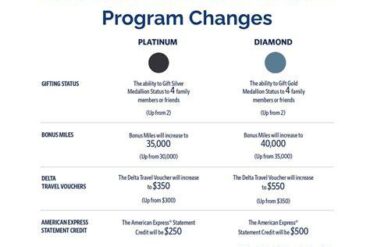
Delta Air Lines’ loyalty programs are a critical component of its customer retention strategy, offering a range of perks and benefits designed to reward frequent travelers. The SkyMiles program, one of the industry’s most established frequent flyer programs, allows passengers to accumulate miles through flights and everyday purchases. These miles can then be redeemed for a variety of rewards, including complimentary upgrades, free flights, and exclusive experiences. However, at the pinnacle of Delta’s loyalty offerings sits the Delta 360 program – an elite, invitation-only tier reserved for the airline’s most valuable and influential customers. This top-tier status, akin to American Airlines’ Concierge Key and United Airlines’ Global Services, has traditionally included a suite of premium benefits, including early boarding access.
What’s Changing for Delta 360 Members?
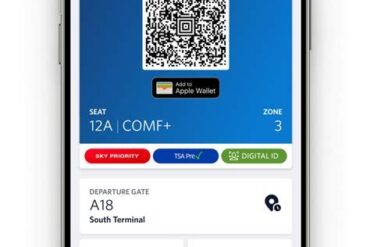
Under the new boarding policy, effective May 16, 2025, Delta 360 members will see a notable shift in their boarding privileges. Previously, these ultra-elite travelers enjoyed pre-boarding benefits, granting them the ability to board flights early alongside active-duty military personnel and those requiring extra time. However, the new rules place Delta 360 members in Zone 2, alongside Diamond Medallion passengers, effectively eliminating their early boarding status unless they hold a first-class or Delta One ticket. This means Delta 360 members will now need to wait until after first-class passengers have boarded, potentially facing longer boarding lines and reduced overhead bin availability.
Delta has not provided a specific reason for this change, but a spokesperson confirmed the update in a statement to travel news outlet The Points Guy, emphasizing the airline’s commitment to refining its processes for a more seamless passenger experience. According to the spokesperson, this adjustment reflects Delta’s broader efforts to create a more balanced and efficient boarding process, though the specifics of this rationale remain unclear.
Impact on Delta’s Premium Flyers
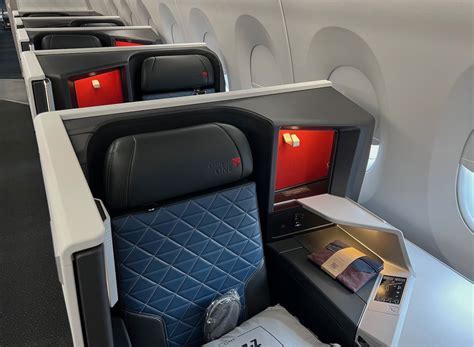
This shift represents a significant policy adjustment for Delta’s most loyal customers, many of whom have come to rely on the convenience of pre-boarding. For those traveling in first class or Delta One, the impact may be minimal, as these passengers will still receive early boarding benefits as part of their premium fare. However, Delta 360 members flying in economy or Comfort+ can expect a noticeable change, as they will no longer receive the same expedited boarding advantage they once enjoyed.
Moreover, the move aligns Delta’s boarding strategy more closely with those of its major competitors. American Airlines and United Airlines have similarly streamlined their elite boarding processes, reflecting a broader trend within the airline industry to balance customer experience with operational efficiency.
The Bigger Picture – Real ID and TSA Changes
This announcement comes amid broader changes in the U.S. travel landscape. Just days before this update, the Real ID policy took full effect on May 7, 2025, requiring all passengers to present Real ID-compliant identification for domestic flights. Those without a Real ID now face additional screening measures, unless they present an alternative form of approved identification, such as a passport book or passport card.
In addition to this, the Transportation Security Administration (TSA) recently updated its prohibited items list, adding seven new products, including certain lithium batteries and portable chargers, to the list of items banned from checked luggage. This move aims to enhance onboard safety, reflecting the agency’s ongoing efforts to reduce fire risks associated with lithium battery-powered devices.
Looking Ahead – What Delta Flyers Can Expect
As Delta implements these changes, it remains to be seen how the airline’s most dedicated customers will respond. For many Delta 360 members, the loss of pre-boarding privileges may come as an unwelcome surprise, potentially prompting some to reconsider their loyalty to the carrier. However, for those who frequently travel in premium cabins, the impact may be less significant, as these tickets still guarantee early boarding access regardless of loyalty status.
Delta’s decision to recalibrate its boarding hierarchy underscores the ongoing tension between rewarding elite loyalty and maintaining operational efficiency – a delicate balance that airlines must navigate as they strive to enhance customer satisfaction while managing high passenger volumes.
As the May 16 deadline approaches, travelers are advised to review their boarding group and plan accordingly, particularly if they have grown accustomed to the benefits previously afforded to Delta 360 members. For further updates, customers should visit Delta’s official website or contact customer service for the latest information on boarding procedures and loyalty program benefits.