Delta’s SkyMiles loyalty program has a reputation for being both powerful and misunderstood. It rewards intention more than miles flown, strategy more than habit, and patience more than impulse. Treated casually, SkyMiles feels ordinary. Treated deliberately, it becomes one of the most flexible and experience-rich airline programs in the world, blending flight rewards, elite recognition, and lifestyle perks into a single ecosystem that quietly favors travelers who understand its logic.
At its core, SkyMiles is built around spending, not distance. Every dollar directed through Delta’s universe—airfare, co-branded credit cards, vacations, partners—acts like gravity, pulling you toward higher earning rates and Medallion status. The program’s most underrated feature is that miles never expire, which removes the psychological pressure to burn rewards quickly and allows for long-term planning. Add complimentary onboard Wi-Fi for members and a web of earning partners, and SkyMiles becomes less about chasing free flights and more about constructing leverage.
The real unlock happens when you stop viewing SkyMiles as a simple mileage counter and start seeing it as a layered system. Miles, Medallion Qualifying Dollars, elite tiers, credit card accelerators, and Choice Benefits all interact. Understanding how those layers stack—sometimes quietly, sometimes aggressively—is how travelers extract value that casual members never notice.

Understanding the Spend-Based Logic Behind SkyMiles
Delta SkyMiles operates on a revenue-based framework, which means how much you spend matters more than how far you fly. For earning miles, the baseline rate begins at five miles per dollar spent on most standard or refundable economy fares. Extra fares earn seven miles per dollar, and those rates climb rapidly once Medallion status enters the picture. Silver, Gold, Platinum, and Diamond Medallion members earn progressively more miles per dollar, topping out at an impressive eleven miles per dollar for Diamond.
This structure quietly rewards premium cabin bookings, last-minute travel, and corporate fares, while also favoring travelers who consolidate their flying with one airline. Delta-marketed flights count regardless of whether they are operated by Delta itself, a Delta Connection carrier, or a joint venture partner, which broadens earning opportunities without diluting rewards.
What makes this model particularly potent is that Medallion Qualifying Dollars (MQDs) follow the same spend-based logic. MQDs are the sole requirement for earning elite status, with no minimum flight count. Every dollar spent on Delta flights and Delta Vacations generally earns one MQD, turning premium purchases into a direct path to elite recognition.
Using SkyMiles as a Flexible Currency, Not Just Free Flights
SkyMiles shine brightest when treated as a versatile currency rather than a flight-only reward. While award tickets remain the most visible redemption, miles can also be applied to part-cash fares, cabin upgrades, preferred seat selection, change fees, premium onboard drinks, and even checked baggage fees. This flexibility matters when award pricing fluctuates or when preserving cash flow is more valuable than squeezing maximum cents per mile.
Beyond flights, SkyMiles can be redeemed for Delta Vacations packages, hotels, and car rentals. These redemptions are not always the highest theoretical value, but they offer convenience and predictability, particularly for travelers who prefer end-to-end bookings within Delta’s ecosystem. The ability to offset real travel costs with miles, even when award seats are scarce, is a practical advantage that often goes overlooked.
The smartest SkyMiles users monitor redemption trends rather than obsess over a fixed value. Dynamic pricing means value changes constantly, and the best redemptions often appear quietly on less obvious routes, off-peak dates, or mixed-cabin itineraries.
Accelerating Earnings With Delta’s Co-Branded American Express Cards
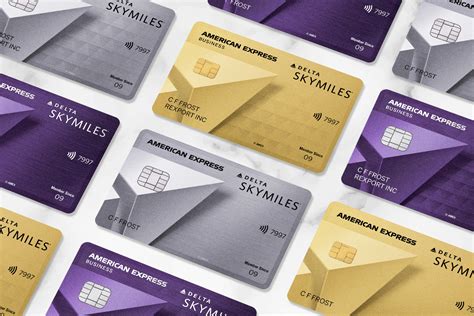
Delta’s partnership with American Express is the engine that powers rapid SkyMiles accumulation. The co-branded cards are not just earning tools; they are status accelerators and experience enhancers. Even the no-annual-fee SkyMiles Blue Card establishes a baseline, earning double miles on Delta purchases and restaurants while unlocking the 20% in-flight purchase statement credit that all SkyMiles Amex cards share.
The SkyMiles Gold Card expands that foundation with free checked bags, priority boarding, enhanced earning at U.S. supermarkets, and a dramatically larger welcome bonus. For many travelers, this card alone offsets its annual fee through baggage savings and bonus miles.
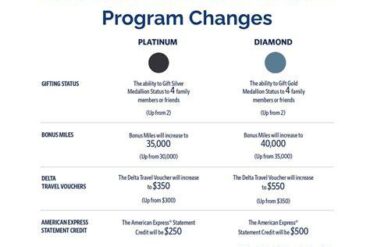
The Platinum and Reserve cards move into strategic territory. The Platinum Card’s higher annual fee buys triple miles on Delta and hotels, double miles on restaurants and supermarkets, and crucially, MQD earning through card spend, with one MQD per $20 spent. The Reserve Card doubles down on status acceleration, earning one MQD per $10 spent, while layering in Sky Club access and premium credits that appeal to frequent flyers who value lounge time as much as seat upgrades.
Medallion Status as the Real Multiplier
Miles are the visible reward, but Medallion status is where SkyMiles quietly transforms the travel experience. Silver Medallion introduces priority boarding, complimentary upgrades when available, and a higher mileage earning rate. Gold Medallion adds SkyTeam Elite Plus benefits, which dramatically improve international travel with lounge access and priority services across partner airlines.
Platinum Medallion is the inflection point. Upgrade priority increases meaningfully, service recovery becomes proactive, and Choice Benefits enter the equation. Diamond Medallion pushes the experience into premium territory, with the highest earning rate, top upgrade priority, dedicated phone support, and multiple Choice Benefits that can be tailored to individual travel styles.
What makes Medallion status powerful is not any single perk, but the compounding effect. Priority check-in, waived baggage fees, earlier upgrade windows, and higher mileage earning all reinforce each other, making each trip more efficient and more rewarding than the last.
Extracting Maximum Value From Choice Benefits
Choice Benefits are one of Delta’s most distinctive elite features, offering Platinum and Diamond Medallion members a menu of high-value options instead of a fixed perk bundle. These benefits are not decorative; they are strategic tools. Regional and Global Upgrade Certificates can unlock premium cabins on long-haul routes where cash fares are punishingly high. MQD accelerators provide a head start on requalification. Statement credits, bonus miles, and Delta Vacations credits allow members to tailor rewards to their personal travel economics.
Diamond members, with three Choice Benefits, can mix immediate gratification with long-term leverage, pairing upgrades with MQD boosts or statement credits. The inclusion of non-travel options like Starbucks Reward Stars and Sustainable Aviation Fuel contributions reflects Delta’s broader lifestyle positioning, but the core value remains deeply travel-centric.
Leveraging Partners to Earn Miles Without Flying
SkyMiles extends far beyond the aircraft cabin. Delta’s partnerships with Uber and Starbucks turn everyday spending into incremental mileage, while the SkyMiles Dining and Shopping portals reward purchases that would otherwise earn nothing. These earnings may seem small individually, but over a year they quietly compound, especially when paired with Medallion earning bonuses.
Delta Vacations, Delta Stays, Delta Car Rentals, and Delta Cruises further expand the earning surface area. Booking through these channels consolidates travel spend into MQDs and miles simultaneously, simplifying elite qualification while keeping rewards centralized.
SkyMiles Experiences adds a different dimension entirely. These auction-based redemptions trade miles for access—sporting events, exclusive trips, curated experiences—that are difficult or impossible to replicate with cash alone. They are rarely the most efficient use of miles, but they are often the most memorable.
Sky Clubs, Lounges, and the Ground Experience Advantage
Delta’s investment in lounges has become a defining feature of the brand. Sky Club access transforms airport time from dead space into productive or restorative time, with consistent food quality, reliable Wi-Fi, and increasingly refined interiors. While Medallion status alone does not guarantee access, the Reserve Card and paid memberships—available only to Medallion members—make Sky Clubs a central part of the SkyMiles value proposition.
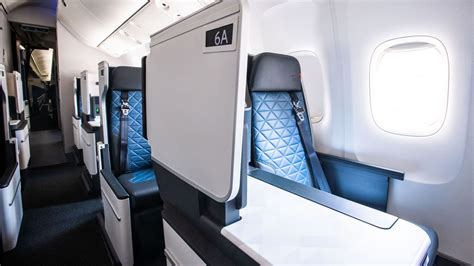
For top-tier travelers, Delta One lounges and premium check-in experiences elevate the ground journey to match the onboard product. These spaces are not merely amenities; they are retention tools, reinforcing loyalty through comfort and predictability.

Delta 360° and the Invisible Ceiling of Loyalty
At the very top of Delta’s loyalty universe sits Delta 360°, an invitation-only designation that exists outside the published Medallion tiers. It is not earned through a formula but bestowed through a combination of extreme loyalty, revenue contribution, and strategic value to the airline. Lifetime invitations after five million miles flown are one path, but most members arrive through less transparent channels.
Delta 360° members receive the full suite of Diamond benefits plus additional layers of recognition: dedicated support, Sky Club membership, Delta One lounge access even when flying domestic First, and bespoke service touches that are intentionally subtle. The exclusivity is the point. It signals that SkyMiles, at its highest levels, becomes less about rules and more about relationships.
Building a Long-Term SkyMiles Strategy
The most successful SkyMiles members think in years, not trips. They align credit card spend with MQD thresholds, time premium bookings to accelerate status, and select Choice Benefits that reinforce future earning. They resist the urge to burn miles impulsively, instead waiting for redemptions that align with their travel patterns and personal preferences.
SkyMiles rewards clarity. Travelers who understand what they value—upgrades, lounges, flexibility, recognition—can shape the program around those priorities. Delta has designed SkyMiles to be adaptable, but adaptability favors those who pay attention.
In 2026, SkyMiles is neither the simplest nor the flashiest loyalty program. It is, however, one of the most strategically generous for travelers willing to engage with its structure. Mastery does not come from flying more; it comes from flying smarter, spending intentionally, and letting the system work the way it was designed to.