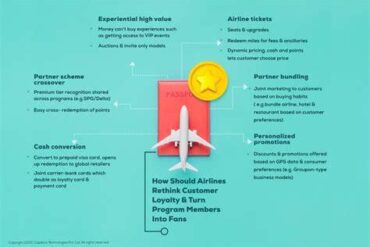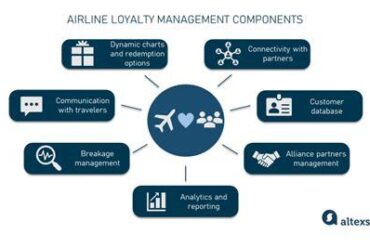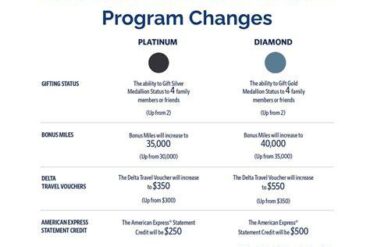
Frequent flyer programs once felt like the golden ticket of modern aviation. Travelers would fly a certain distance, accumulate miles, and redeem them for dream vacations or premium upgrades. Over time, however, the industry has evolved dramatically. Airlines have shifted from distance-based rewards to revenue-based systems, dynamic pricing has replaced predictable award charts, and the value of airline miles has become more complex to measure.
In the middle of this changing landscape sits Delta Air Lines’ SkyMiles program, one of the most recognized loyalty programs in global aviation. Millions of travelers worldwide hold SkyMiles accounts, collecting points through flights, credit cards, and partner purchases. Yet many travelers now wonder whether the program delivers meaningful value in 2026 or if it has become another example of shrinking airline rewards.
The answer requires looking beyond simple mileage accumulation. Understanding whether Delta SkyMiles is still worth it means examining how the program works, how it has changed in recent years, and how its benefits compare with the expectations of modern travelers. Loyalty today is less about collecting miles and more about how effectively those miles translate into real-world travel benefits.
Understanding the Origins of Delta SkyMiles
The story of SkyMiles begins in the early era of airline loyalty programs. Delta launched its original frequent flyer program in 1981, when airlines were experimenting with ways to encourage repeat customers. At that time, the idea was straightforward: fly more miles, earn more rewards.
In 1995, Delta rebranded the program as SkyMiles, marking the beginning of its transformation into a global loyalty ecosystem. The concept remained similar for many years. Travelers accumulated miles based primarily on distance flown, and those miles could be redeemed for free flights or upgrades.
The program steadily expanded as Delta built partnerships with airlines, hotels, car rental companies, and credit card issuers. These partnerships dramatically increased the number of ways travelers could earn miles without necessarily boarding a plane.
One of the most distinctive features of SkyMiles compared with many competing programs is that miles never expire. This policy has made the program attractive to occasional travelers who might only fly once or twice per year but still want their accumulated rewards to remain valid indefinitely.
Over the decades, SkyMiles grew into a massive loyalty platform tied to one of the world’s largest airlines. But as the airline industry evolved, so did the mechanics behind earning and spending miles.
How SkyMiles Works in the Modern Airline Economy
Frequent flyer programs in the 1980s and 1990s rewarded distance. Today, they reward spending. Delta embraced this transformation earlier than many competitors, shifting the SkyMiles earning model toward revenue-based rewards.
Instead of miles being determined by how far a traveler flies, they are now primarily determined by how much money is spent on airfare.
For standard SkyMiles members, the basic earning rate generally follows this structure:
- 5 miles per dollar spent on eligible Delta tickets
- Additional bonus miles for elite status holders
- Miles earned through partner airlines and SkyTeam flights
- Miles earned through credit card purchases and retail partners
This shift reflects a larger industry trend. Airlines realized that rewarding ticket price rather than flight distance better aligned with their revenue goals. A traveler purchasing a last-minute $1,200 ticket generates far more profit than someone flying the same route on a $200 fare.
While this change favors higher-spending travelers, it also alters the strategy required to maximize rewards. Travelers who consistently purchase premium fares or expensive last-minute tickets accumulate miles faster than budget travelers who hunt for cheap deals.
Redeeming miles has also evolved dramatically. Delta no longer publishes a fixed award chart. Instead, dynamic pricing determines how many miles are required for a particular flight.
Dynamic pricing means award tickets fluctuate based on factors such as demand, seasonality, route popularity, and seat availability. A domestic flight might cost 10,000 miles during a promotional period but 60,000 miles during peak travel season.
This unpredictability has become one of the most debated aspects of the SkyMiles program.
The Rise of Dynamic Award Pricing
Dynamic pricing has fundamentally changed the psychology of airline loyalty programs. In the past, travelers could look at an award chart and know exactly how many miles they needed for a particular destination. Today, that certainty has largely disappeared.
Delta was among the first major airlines to fully embrace this flexible pricing model.
The advantage of dynamic pricing is flexibility. When demand is low, award tickets can become surprisingly cheap in terms of miles. Flash sales occasionally allow travelers to book long-haul flights for a fraction of their usual redemption cost.
However, the system also has drawbacks. During high-demand periods such as holidays or major events, award prices can surge dramatically. A business-class ticket that once cost a predictable number of miles might suddenly require two or three times that amount.
This system effectively turns airline miles into a floating-value currency, rather than a fixed redemption tool. Travelers who monitor promotions, remain flexible with travel dates, and book strategically tend to extract the most value.
For travelers who want predictable reward goals, the system can feel frustratingly opaque.
Medallion Status: The True Engine of SkyMiles Value
For many loyal Delta passengers, the real value of the SkyMiles program is not the miles themselves. Instead, it lies in Medallion Status, Delta’s elite tier system.
The program offers four primary status levels:
- Silver Medallion
- Gold Medallion
- Platinum Medallion
- Diamond Medallion
Each tier provides increasingly valuable perks designed to enhance the travel experience.
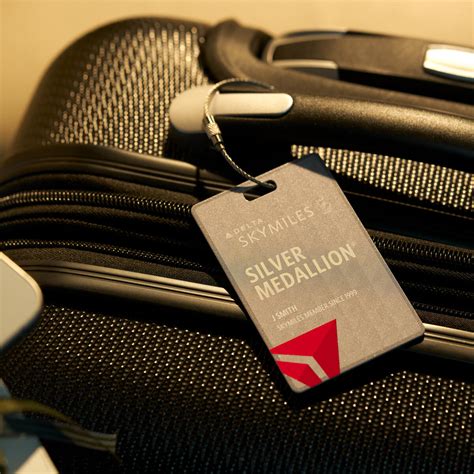
Benefits across these tiers include priority check-in, priority boarding, bonus mileage earnings, complimentary upgrades, and reduced or waived travel fees. Higher tiers unlock even more valuable advantages, including premium upgrades and customizable rewards known as Choice Benefits.
Achieving elite status now depends on Medallion Qualification Dollars (MQDs), a metric tied directly to spending rather than distance or number of flights.
This spending-based qualification system reflects Delta’s strategy of rewarding travelers who generate the most revenue. Business travelers who frequently book expensive fares often reach elite status relatively easily, while occasional leisure travelers may find it difficult.
Still, for travelers who fly regularly with Delta, elite status can significantly improve the overall travel experience.
Recent Changes That Reshaped the Program
Over the past few years, Delta has introduced several changes to the SkyMiles ecosystem. Some were designed to enhance flexibility, while others sparked debate among frequent flyers.
One notable addition was the Elevate Your Status program, allowing members who are close to reaching the next Medallion tier to purchase additional MQDs to bridge the gap.
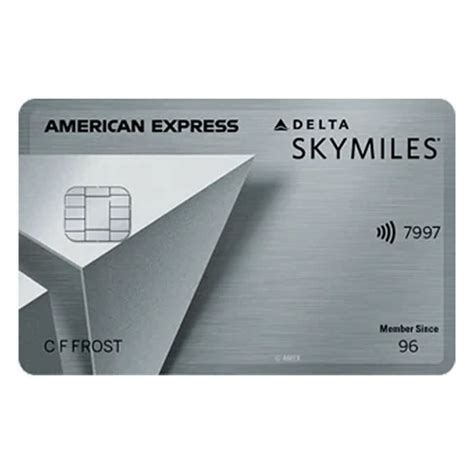
Delta has also strengthened its partnership with American Express, making co-branded credit cards a central part of the loyalty strategy. Cardholders can earn miles on everyday purchases, gain access to travel perks, and in some cases earn MQDs toward elite status.
For many members, credit card spending has become the primary engine for accumulating miles rather than actual flying.
At the same time, the removal of award charts and the continued rise of dynamic pricing has drawn criticism from some longtime travelers who feel that reward flights have become harder to plan.
Yet despite these concerns, Delta continues to invest heavily in improving the overall travel experience, including new airport lounges, upgraded aircraft cabins, and enhanced digital tools for managing loyalty benefits.
Who Gets the Most Value from SkyMiles Today
The value of SkyMiles in 2026 depends heavily on how a traveler interacts with the program.
Frequent business travelers tend to benefit the most. Those who regularly fly Delta for work accumulate MQDs quickly, reach elite status tiers, and enjoy perks that make travel smoother and more comfortable.
For these travelers, benefits like priority boarding, complimentary upgrades, and lounge access can dramatically improve the travel experience.
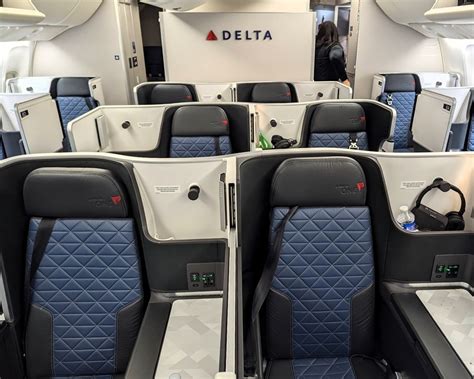
Occasional travelers can also benefit from SkyMiles, especially because miles never expire. Even a few flights per year combined with credit card spending can slowly accumulate enough miles for future travel.
However, leisure travelers seeking predictable redemption rates may find the dynamic pricing system less appealing. Flexibility becomes essential when searching for award flights that offer good value.
Travelers who keep an eye on SkyMiles flash sales, partner airline redemptions, and off-peak travel opportunities often discover excellent deals that significantly stretch their mileage balance.
In other words, SkyMiles rewards strategic behavior.
The Airline Behind the Loyalty Program
Understanding the value of SkyMiles also means examining the airline behind it. Delta Air Lines remains one of the most powerful carriers in global aviation.
The airline traces its origins to 1925, when it began as an agricultural aviation company called Huff Daland Dusters. Over the following decades, it transformed into a major passenger airline serving destinations across the United States.
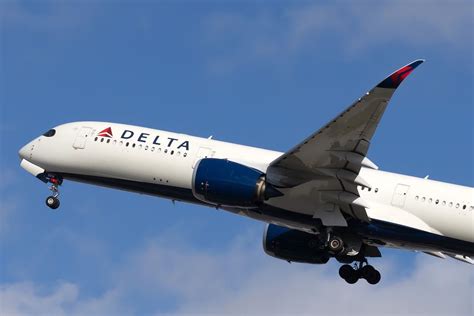
Delta expanded significantly throughout the late twentieth and early twenty-first centuries, eventually merging with Northwest Airlines in 2008. That merger dramatically expanded Delta’s global reach and positioned it as one of the world’s largest airlines.
Today the airline operates a fleet approaching 1,000 aircraft, including modern wide-body jets such as the Airbus A350 and Airbus A330neo, alongside a large network of narrow-body aircraft serving domestic routes.
Delta’s global network spans more than 290 destinations across six continents, supported by major hubs in Atlanta, Detroit, Seattle, Boston, New York, and Minneapolis.
The airline is also a founding member of the SkyTeam alliance, allowing SkyMiles members to earn and redeem miles on partner airlines including Air France, KLM, Korean Air, and Aeromexico.
These partnerships significantly expand the usefulness of SkyMiles beyond Delta’s own network.
Is Delta SkyMiles Still Worth It in 2026?
The question of whether SkyMiles is worth it ultimately depends on the expectations of the traveler.
For frequent Delta flyers, the program still delivers meaningful value. Elite status benefits, bonus mile earnings, and the ability to redeem miles across a global network create a compelling loyalty ecosystem.
For travelers who frequently use Delta credit cards, the program can also generate miles quickly through everyday spending.
However, the program is no longer as simple or predictable as frequent flyer systems once were. The absence of award charts and the rise of dynamic pricing mean travelers must be more strategic in how they earn and redeem miles.
Those who monitor promotions, remain flexible with travel plans, and leverage credit card bonuses are far more likely to extract strong value from the program.
In many ways, SkyMiles has evolved from a traditional airline reward system into something closer to a flexible travel currency.
The miles themselves are only part of the equation. The real value emerges from understanding the system, using its tools intelligently, and taking advantage of opportunities when they appear.
For travelers willing to play that game, SkyMiles in 2026 remains far from worthless. It has simply become a more complex — and occasionally more rewarding — system for navigating the ever-changing world of airline loyalty.