The modern airline loyalty landscape is no longer a simple game of flying often and earning free tickets. Today’s frequent flyer programs are complex ecosystems built around spending behavior, partner engagement, geographic relevance, and redemption strategy. Among U.S. carriers, three programs dominate the conversation: American Airlines AAdvantage, United Airlines MileagePlus, and Delta Air Lines SkyMiles. Each promises value, elite recognition, and aspirational travel, yet each is engineered for a distinctly different traveler profile.
We approach this analysis not from the perspective of marketing slogans, but from the reality of how these programs function in day-to-day use. We examine how status is earned, how miles behave as a currency, how predictable redemptions truly are, and where each program quietly excels or disappoints. Our goal is not to crown a universal winner, but to determine which loyalty program is superior for specific types of travelers, based on structure rather than hype.
The most important truth is that airline loyalty is deeply personal. A road warrior flying weekly from a global hub will extract value very differently from a leisure traveler who flies a few times a year but spends heavily on co-branded credit cards. Understanding these structural differences is the only way to avoid stranded miles, unreachable elite tiers, and redemptions that feel perpetually out of reach.
How Airline Loyalty Programs Actually Create Value
Airline loyalty programs deliver value in two primary ways: elite status benefits and redeemable miles. Status influences the travel experience through priority services, upgrades, baggage allowances, and disruption handling. Miles, meanwhile, represent deferred value, functioning as a currency that can either unlock extraordinary experiences or erode quietly through inflation and opaque pricing.
What separates AAdvantage, MileagePlus, and SkyMiles is not whether they offer these benefits, but how transparently and efficiently they allow members to reach them. Each program rewards spending, yet the accounting mechanisms differ dramatically. These differences determine whether loyalty feels empowering or exhausting.
AAdvantage and the Power of Loyalty Points
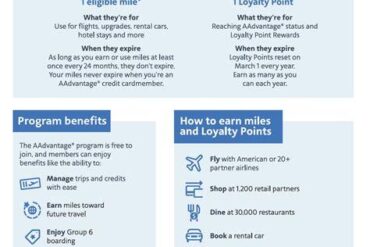
American Airlines’ AAdvantage program is built around a single unifying metric: Loyalty Points. Unlike legacy mileage qualification systems, Loyalty Points consolidate nearly all eligible earning into one counter. Flights, co-branded credit cards, shopping portals, dining programs, and partner activities all feed into elite qualification.
This structure is deceptively powerful. It allows travelers who may not fly constantly to still achieve meaningful status through strategic partner engagement. A customer who understands how to route spending through AAdvantage-earning channels can progress through elite tiers faster than flight activity alone would suggest.
The program’s strength lies in its partner ecosystem. American’s oneworld alliance provides access to premium global carriers, while non-airline partners add flexibility rarely matched by competitors. At higher thresholds, American layers milestone rewards such as systemwide upgrades, reinforcing a sense of momentum rather than a distant finish line.
However, AAdvantage demands attentiveness. Miles expire after 24 months of inactivity, and recent changes exclude many Basic Economy fares from earning altogether. For travelers who engage actively, this creates discipline. For infrequent flyers, it introduces friction that can quietly erase accumulated value.
MileagePlus and the Architecture of Global Reach
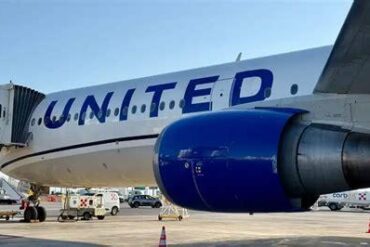
United Airlines’ MileagePlus program is engineered with a different philosophy. It prioritizes consistent flying and global access, rewarding those who make United and its partners central to their travel lives. Elite status is earned through a combination of Premier Qualifying Points (PQPs) and Premier Qualifying Flights (PQFs), a structure that favors frequency and spend over opportunistic earning.
MileagePlus shines brightest through Star Alliance, the world’s largest airline alliance. This network transforms United status into a global asset, delivering recognition and benefits across continents. For travelers whose itineraries regularly extend beyond North America, this interoperability is invaluable.
United’s signature innovation is PlusPoints, an upgrade currency that replaces traditional certificates. PlusPoints offer flexibility across routes and cabins, allowing elites to target upgrades strategically. When managed well, this system can materially improve the onboard experience, particularly for long-haul travel.
Importantly, MileagePlus miles do not expire, removing a psychological burden many travelers feel with other programs. Yet this stability is offset by dynamic award pricing on United-operated flights, where redemption costs often track cash fares closely, limiting opportunities for outsized value.

SkyMiles and the Pursuit of Frictionless Loyalty
Delta Air Lines’ SkyMiles program is defined by simplicity and experience orientation. Miles never expire, elite qualification revolves around Medallion Qualifying Dollars (MQDs), and the airline emphasizes ease over optimization. SkyMiles is designed for travelers who value reliability, premium service, and low-maintenance engagement.
Delta’s Medallion structure ties status almost entirely to spending, with meaningful boosts available through co-branded American Express cards and eligible vacation packages. This makes status attainable for high spenders even without heavy flight frequency, aligning the program closely with modern consumer behavior.
Once achieved, Medallion status delivers a polished experience. Priority handling, consistent operational performance, and a strong service culture reinforce Delta’s reputation among loyalists. Many travelers remain committed not because SkyMiles offers the cheapest awards, but because the travel day itself feels better.
The program’s weakness is transparency. Delta eliminated published award charts years ago, and SkyMiles redemptions fluctuate significantly based on demand. While award change and redeposit fees are largely gone, the lack of predictable value makes it difficult to plan aspirational redemptions with confidence.

Earning Status: Structural Differences That Matter
Status qualification is where these programs diverge most sharply. AAdvantage’s Loyalty Points reward engagement across an ecosystem, MileagePlus rewards consistent high-value flying, and SkyMiles rewards spending concentration. None of these approaches is inherently superior, but each aligns with a different lifestyle.
For travelers who enjoy optimizing spend and leveraging partners, AAdvantage provides leverage. For those who live near major United hubs and fly internationally, MileagePlus offers scale. For those who prefer predictability and minimal account management, SkyMiles removes friction.
These structural choices shape not only how status is earned, but how attainable it feels. A program that aligns with natural behavior will feel generous; one that does not will feel punitive, regardless of headline benefits.
Redeeming Miles: Predictability Versus Potential
Redemption value is where loyalty programs reveal their true character. AAdvantage remains the most generous for partner awards, often offering premium cabin redemptions at rates that feel increasingly rare in North America. The ability to cancel awards and redeposit miles without penalty further reduces risk.
MileagePlus offers solid flexibility, especially for speculative bookings, but dynamic pricing on United flights frequently erodes value. The upside appears most clearly on partner redemptions, though competition for premium availability can be intense.
SkyMiles prioritizes convenience over optimization. While flash sales and occasional sweet spots exist, the absence of an award chart means value is often opaque. For travelers who simply want to offset ticket costs without micromanagement, this may be sufficient. For those chasing aspirational redemptions, it can be frustrating.
Geography as the Silent Deciding Factor
No loyalty program operates in a vacuum. Home airport geography is often the decisive variable, quietly shaping route availability, upgrade odds, and alliance usefulness. AAdvantage compounds value at American hubs such as Dallas, Charlotte, and Phoenix. MileagePlus thrives near United gateways like Newark, Chicago, and San Francisco. SkyMiles excels in Delta strongholds such as Atlanta, Detroit, and Minneapolis.
Ignoring geography leads to loyalty mismatch. Choosing the “best” program on paper means little if nonstop routes are scarce or upgrade competition is overwhelming. The most successful loyalty strategies align program structure with physical travel patterns.
Which Loyalty Program Is Truly Superior?
Superiority in airline loyalty is contextual. AAdvantage is superior for travelers who seek maximum redemption upside and are willing to engage actively. MileagePlus is superior for global travelers who want alliance-wide recognition and upgrade tools that scale internationally. SkyMiles is superior for travelers who value ease, stability, and a consistently refined travel experience.
The common mistake is searching for a universal winner. The correct approach is selecting the program that amplifies existing behavior rather than forcing artificial loyalty. When alignment exists, rewards feel earned rather than chased.
Final Perspective: Loyalty as a Strategic Choice
Airline loyalty is no longer passive. It is a strategic decision that intersects with geography, spending habits, risk tolerance, and travel goals. The superiority of AAdvantage, MileagePlus, or SkyMiles depends on how deliberately one engages with the system.
For those willing to learn its mechanics, AAdvantage can unlock extraordinary value. For those who traverse continents regularly, MileagePlus offers unmatched reach. For those who simply want loyalty to work quietly in the background, SkyMiles delivers consistency.
The superior program, ultimately, is the one that converts loyalty into tangible satisfaction rather than perpetual effort.