United Airlines’ MileagePlus loyalty program sits at the intersection of scale and flexibility. With access to more than a thousand aircraft, an expansive domestic network, and the global reach of Star Alliance, MileagePlus is not merely a frequent flyer scheme—it is a travel currency ecosystem. The real opportunity lies not in collecting miles casually, but in deliberately engineering how those miles are earned, redeemed, and leveraged for status.
Many travelers treat miles like loose change in a jar. The disciplined traveler treats them like an investment portfolio. Every redemption decision carries an implied value per mile, every credit card swipe can tilt qualification toward elite tiers, and every routing option hides potential leverage. Getting the most out of MileagePlus requires understanding its mechanics, its sweet spots, and its recent structural changes.
United operates under a dynamic award pricing system, which means award prices fluctuate with cash fares. That reality eliminates fixed award charts but introduces strategic timing opportunities. When demand dips, award rates often soften. When demand spikes, miles become more expensive. The key is not chasing a mythical “perfect” redemption, but recognizing high-value patterns when they appear.
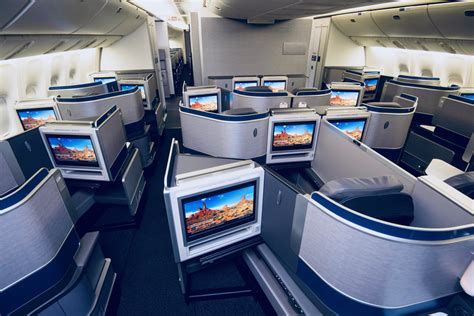
Unlocking Maximum Value Through United Polaris Business Class Redemptions
The crown jewel of the MileagePlus program is access to United Polaris business class, particularly on long-haul international routes. Polaris seats convert into fully lie-flat beds, transforming intercontinental travel from endurance test to horizontal sanctuary. Add priority boarding, lounge access, upgraded dining, and premium service, and the experience becomes far more than transportation.
Consider a premium transcontinental route such as Newark (EWR) to San Francisco (SFO). Award space can appear at around 80,000 miles plus minimal taxes, while cash fares often exceed $1,600. That redemption approaches or surpasses two cents per mile in value—strong territory in the loyalty world. On routes like Newark to London Heathrow (LHR), redemptions may hover around 115,000 miles, yet cash prices can soar beyond $2,000. When long-haul cash fares spike during peak seasons, miles can quietly outperform money.
United’s recent investments amplify the appeal. The expanding network of Polaris lounges, including newly renovated flagship locations, creates a ground experience aligned with international premium standards. The onboard product has also evolved, with refreshed seats on Boeing 787-9 aircraft and enhanced amenities like Laurent-Perrier Champagne. In a landscape where airlines sometimes dilute benefits, United has reinforced this premium pillar.
Dynamic pricing complicates matters, but it does not eliminate opportunity. Off-peak travel or saver availability can occasionally reveal one-way flights to Europe or South America for as low as 80,000 miles, and routes to Australia around 100,000 miles. Those windows close quickly, but they exist. Vigilance rewards patience.
High-Impact Domestic Redemptions Starting At 5,000 Miles
While premium cabins attract headlines, domestic economy awards often generate the highest relative value for everyday travelers. United’s pricing can begin at 5,000 miles one way, which is rare in today’s inflated loyalty environment.
From San Francisco, short-haul routes to Las Vegas, Los Angeles, or San Diego may appear between 5,300 and 5,900 miles depending on demand. Even longer domestic flights, such as Newark to San Francisco, can occasionally price around 12,400 miles. For a six-hour transcontinental journey, that is a compelling exchange.
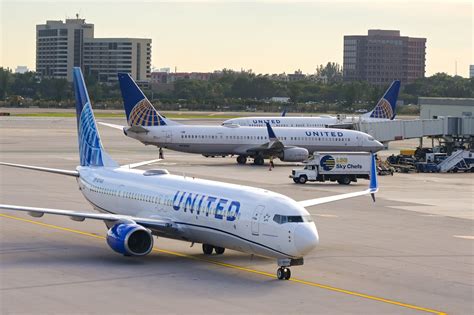
Another structural advantage: United does not impose fuel surcharges on award tickets. Taxes and fees remain minimal, often just $5.60 for domestic itineraries. Many international carriers add substantial surcharges to award tickets, eroding perceived value. United’s policy preserves mileage efficiency.
International economy redemptions can also surprise. Award flights from New York to London have appeared around 24,600 miles during spring availability windows. For transatlantic travel, that redemption can translate into substantial savings.
The lesson is simple: premium redemptions deliver glamour; domestic awards deliver accessibility and consistency. Both serve different strategic roles within the same program.
Elite Status: The Multiplier Effect Of Premier Tiers
MileagePlus becomes significantly more powerful when paired with Premier elite status. United’s tiered structure—Premier Silver, Gold, Platinum, and Premier 1K—introduces upgrades, priority services, waived fees, and improved customer support.
Qualification hinges on a blend of Premier Qualifying Points (PQPs) and Premier Qualifying Flights (PQFs). Silver status requires either 15 PQFs and 5,000 PQPs or 6,000 PQPs alone. At the top end, Premier 1K demands 60 PQFs and 22,000 PQPs or 28,000 PQPs outright.
PQPs accrue primarily from spending. United awards one PQP per dollar spent on base airfare and carrier-imposed surcharges. This revenue-based model aligns elite qualification with spending intensity rather than distance flown.
An underappreciated feature: award flights also generate PQPs. Members receive one PQP for every 100 miles redeemed on United-operated flights. While award travel does not contribute toward lifetime status, it does help requalify for annual tiers. That mechanism effectively softens the cost of redeeming miles, since status progress continues.
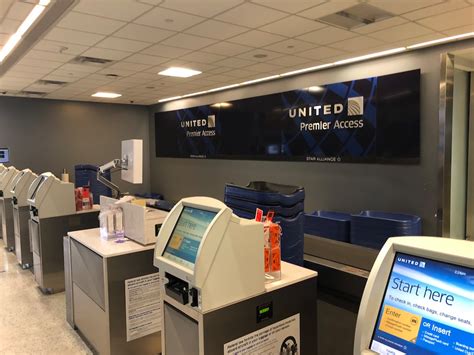
Premier Gold and above unlock Star Alliance Gold status, granting lounge access on international itineraries and priority handling across partner airlines. For frequent global travelers, this transforms the experience beyond United metal.
Status is not about prestige; it is about friction reduction. Faster lines, waived baggage fees, higher upgrade priority—these compound over dozens of trips.
Mileage Pooling: Strategic Collaboration For Faster Redemptions
In 2024, United introduced MileagePlus pooling, enabling up to five members to combine miles in a shared account. Each participant chooses how many miles to contribute, though contributions cannot be withdrawn once transferred.
Pooled miles can currently be redeemed primarily for United and United Express flights, not most partner awards. Members may belong to only one pool at a time. These restrictions mean pooling works best when a specific redemption target is in sight.
Despite limitations, pooling solves a common inefficiency: scattered small balances. Families with fragmented accounts can consolidate toward a meaningful redemption threshold faster. Coordination is required, as transfers may take over 24 hours, but the strategic upside is real.
Pooling is less about flexibility and more about precision. When aligned with a defined goal—such as a family trip requiring 60,000 combined miles—it becomes a powerful accelerator.
Earning MileagePlus Miles With Maximum Efficiency
Earning remains the foundation. United’s revenue-based accrual model awards miles based on dollars spent rather than distance flown. Standard members earn around three to six miles per dollar on economy tickets, depending on fare class and elite multiplier.
Partner airline flights can also accrue United miles, though earning rates vary by carrier and fare class. Understanding these charts can prevent unpleasant surprises when booking discounted partner fares.
Credit cards now sit at the core of MileagePlus strategy. United’s co-branded products—such as the United Explorer Card, United Quest Card, and United Club Infinite Card—offer substantial sign-up bonuses and bonus earning categories. Many also provide PQP accrual from spending, bridging the gap toward elite tiers without additional flights.
Beyond flights and credit cards, MileagePlus integrates with online shopping portals, hotel partnerships, cruise bookings, and even home services. While not every earning channel delivers equal value, stacking promotions can meaningfully accelerate balances.
Understanding United’s Recent MileagePlus Changes
Recent program adjustments place increased emphasis on credit card ownership. Beginning with tickets purchased after April 2, 2026, earning rates diverge more sharply between cardholders and non-cardholders.
Standard members holding a United co-branded credit card will earn six miles per dollar, plus any additional credit card category bonuses. Non-cardholders, previously earning five miles per dollar, will now earn just three miles per dollar—a 40% reduction.
The shift signals a clear strategic direction: the loyalty ecosystem is increasingly integrated with financial products. Premier members without a United credit card will also see reduced earning compared to primary cardholders.
Perhaps the most controversial update is the elimination of mileage earning on basic economy fares, unless the passenger holds elite status or a co-branded card. Given that United’s basic economy already restricts carry-on baggage, this change reinforces the fare’s stripped-down nature.
These adjustments require adaptation. Travelers who frequently fly United without a co-branded card may experience slower mileage accumulation. Those willing to integrate a credit card into their strategy may benefit disproportionately.
Strategic Synthesis: Turning Miles Into Momentum
Maximizing the United MileagePlus loyalty program is not about hoarding miles indefinitely. Inflation in loyalty currencies is real. Miles should be deployed with intention, ideally toward redemptions that exceed one to two cents per mile in value or deliver experiences unattainable with cash.
Polaris business class redemptions transform miles into aspirational travel. Domestic economy awards transform them into practical savings. Elite status transforms routine flying into a smoother, more dignified process. Pooling transforms fragmented balances into actionable power. Credit card integration transforms daily spending into aviation leverage.
Viewed holistically, MileagePlus is not just a points account. It is a dynamic system influenced by demand patterns, spending behavior, and policy shifts. Those who study its contours and adapt to its incentives will consistently extract more value than those who simply accumulate miles passively.
The most effective MileagePlus members treat miles as a strategic asset—redeemed deliberately, earned efficiently, and aligned with clear travel goals. In a world where airline loyalty programs evolve constantly, mastery belongs to those who stay attentive, flexible, and bold in their redemptions.