The American AAdvantage Loyalty Points Program has fundamentally redefined how airline elite status is earned in the United States. Gone are the days of juggling elite qualifying miles (EQMs), elite qualifying dollars (EQDs), and segment thresholds. In their place stands a single, streamlined metric: Loyalty Points. This transformation did not simply simplify the process—it reshaped the philosophy of loyalty itself.
For the 2026–2027 elite year, American Airlines continues to build on this model, rewarding not only frequent flyers but also credit card users, shopping portal participants, hotel bookers, and dining program members. Status is no longer tied exclusively to distance flown. It is now tied to engagement, revenue contribution, and ecosystem participation. That distinction matters.
The result is a loyalty structure that reflects modern airline economics. American Airlines increasingly earns its most reliable profits not from ticket sales alone but from partnerships, financial products, and ancillary services. The Loyalty Points system mirrors that reality with striking precision.
Understanding the AAdvantage Loyalty Points Qualification Structure
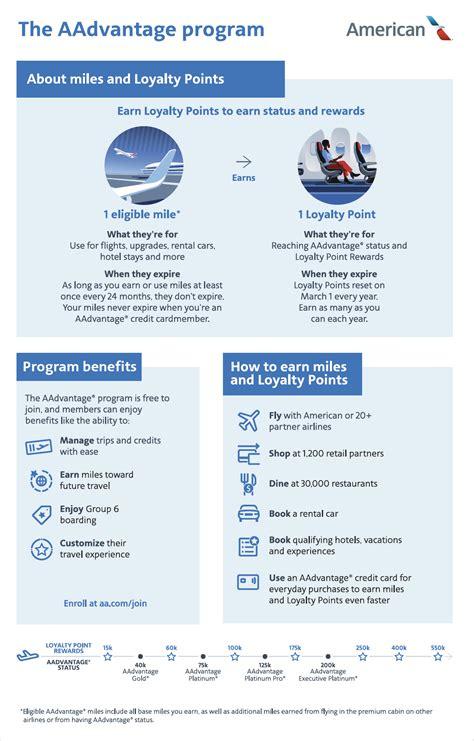
Elite status in the American AAdvantage program is now determined exclusively by how many Loyalty Points a member earns during the qualification period. Every eligible base AAdvantage mile earned equals one Loyalty Point. No conversions. No multipliers beyond those attached to base mileage earning.
For the 2026–2027 program year, elite tiers require the following Loyalty Point totals:
- AAdvantage Gold – 40,000 Loyalty Points
- AAdvantage Platinum – 75,000 Loyalty Points
- AAdvantage Platinum Pro – 125,000 Loyalty Points
- AAdvantage Executive Platinum – 200,000 Loyalty Points
Status qualification runs from March 1, 2026 through February 28, 2027, and any status earned remains valid through March 31, 2028. This March-to-February calendar is critical for strategic planning, especially for members timing large credit card spending or business travel cycles.
Notably, American’s invitation-only Concierge Key tier remains unpublished in terms of requirements. While heavy flying plays a role, there are strong indications that high-value non-flying engagement may also factor into selection.
How Loyalty Points Are Earned on American Airlines Flights
Flying American Airlines remains one of the most straightforward ways to accumulate Loyalty Points. The earning structure is revenue-based for American-marketed flights.
Members earn:
- 5 base miles per dollar spent on eligible fares
- Elite status bonuses ranging from 40% to 120%, depending on tier
- All base and elite bonus miles count as Loyalty Points
Basic Economy fares are the key exception—they do not earn base miles or Loyalty Points.
For example, an AAdvantage Gold member earns 5 base miles plus a 40% bonus, totaling 7 Loyalty Points per dollar spent. An Executive Platinum member earns 5 base miles plus a 120% bonus, totaling 11 Loyalty Points per dollar.
There is no cap on Loyalty Points earned per ticket. A premium cabin ticket with a high base fare can generate a significant Loyalty Points haul in a single transaction.

This revenue-based model rewards higher spending rather than distance. A discounted cross-country fare might generate fewer Loyalty Points than a short-haul last-minute business ticket. For travelers with flexible routing but high fare classes, this can dramatically accelerate status earning.
Earning Loyalty Points on Partner Airlines
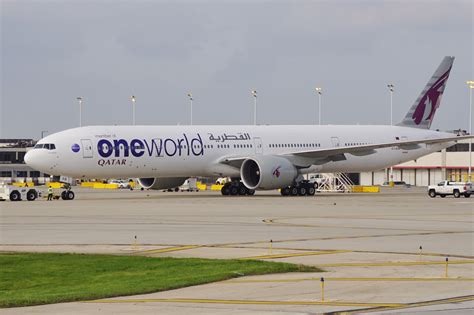
American Airlines is a founding member of the oneworld alliance, and partner flights remain a powerful source of Loyalty Points. Flights on oneworld airlines, Aer Lingus, and GOL can earn Loyalty Points based on redeemable miles credited to AAdvantage.
For most partners, earnings are distance-based and depend on fare class. That means:
- A percentage of miles flown is awarded as base miles
- Cabin bonuses may apply for premium economy, business, or first class
- Elite bonuses (40% to 120%) are added on top
- All redeemable miles earned count as Loyalty Points
Consider a practical example. An Executive Platinum member flying Alaska Airlines first class from Los Angeles to Seattle (954 miles) in an eligible fare class could earn:
- 954 base miles
- 50% cabin bonus (477 miles)
- 120% elite bonus (1,145 miles)
Total: 2,576 Loyalty Points for a short flight.
Some partners like British Airways and Iberia use revenue-based earning rather than distance-based. In those cases, Loyalty Points correlate directly with ticket price.
The key takeaway is strategic booking. Fare class, partner airline, and elite tier can significantly alter earning potential. Savvy members often consult earning charts before booking international tickets.
Credit Card Spending as a Path to Elite Status
Perhaps the most transformative element of the AAdvantage Loyalty Points Program is the integration of credit card spending into status qualification.
American Airlines co-branded credit cards issued by Citi allow members to earn:
- 1 Loyalty Point per base mile earned
- Typically 1 Loyalty Point per dollar spent
- Bonus category multipliers do not increase Loyalty Points beyond base earnings
- Welcome bonuses do not count toward Loyalty Points
This means spending $200,000 annually on an eligible co-branded card can qualify a member for Executive Platinum status—without boarding a plane.
Certain premium cards provide additional Loyalty Point bonuses. For example:
- The Citi AAdvantage Globe Card offers up to 15,000 bonus Loyalty Points annually through flight streak bonuses
- The Citi AAdvantage Executive Card can offer up to 20,000 bonus Loyalty Points annually after reaching specific thresholds
Importantly, the posting date of the transaction—not the statement closing date—determines which qualification year the Loyalty Points count toward. Timing matters.
This model rewards high-spending consumers and business owners who channel large expenses through AAdvantage credit products. For some members, credit card strategy alone can secure elite status annually.
Loyalty Points from Partner Engagement and Everyday Spending
The Loyalty Points system extends far beyond flights and credit cards. Members can earn qualifying points through a broad network of partners.
Eligible base miles earned through the following partners count as Loyalty Points:
- AAdvantage eShopping
- AAdvantage Dining
- SimplyMiles
- Hotel bookings through AAdvantage Hotels and RocketMiles
- Major hotel chains like Hyatt, Marriott, and IHG
- Car rentals via Avis, Budget, Hertz, National, and others
- American Airlines Vacations
- Cruise bookings
- Retail and service partners such as Shell, WeWork, and energy providers

This ecosystem transforms everyday spending into status progress. Dining out, booking a hotel, renting a car, or shopping online can meaningfully contribute to elite qualification.
For members already spending in these categories, redirecting activity through AAdvantage channels can significantly accelerate Loyalty Points accumulation.
What Does Not Earn Loyalty Points
Not all AAdvantage activity qualifies.
The following do not earn Loyalty Points:
- Purchasing, gifting, or transferring miles
- Government taxes and fees on tickets
- Converting points from external programs like Citi ThankYou or Marriott Bonvoy
- Credit card welcome bonuses
- Category multipliers beyond base earnings
- Bask Bank mileage earnings
The exclusion of purchased miles is especially notable. While buying miles generates revenue for American Airlines, it does not contribute to status. This prevents straightforward “buy your way in” shortcuts.
Loyalty Point Rewards: Beyond Elite Status
The Loyalty Points framework includes an additional incentive layer called Loyalty Point Rewards. These rewards activate at 11 different thresholds, starting at 15,000 Loyalty Points and extending up to 5,000,000.
At 175,000 Loyalty Points, members may select perks such as:
- Two systemwide upgrades
- 20,000–25,000 bonus miles
- Admirals Club day passes
- Trip credits
- Hyatt Explorist status
- Gifting AAdvantage Gold
At 250,000 Loyalty Points, options expand to include Admirals Club membership, additional systemwide upgrades, and higher-value credits.
At ultra-high thresholds like 1,000,000, 3,000,000, and 5,000,000 Loyalty Points, rewards become extraordinary—multiple systemwide upgrades, gifting Executive Platinum status, and six-figure mileage rebates.

These milestone incentives encourage continued engagement even after reaching elite status.
Upgrade Priority and Rolling Loyalty Points
Complimentary upgrades within North America are prioritized first by elite tier and then by a member’s rolling 12-month Loyalty Points total.
Within the same status tier, a member with higher recent Loyalty Points earns higher upgrade priority. This rolling metric incentivizes continuous activity rather than one-time qualification bursts.
With premium cabin seats increasingly sold via discounted cash upgrades, upgrade competition is intense. High Loyalty Points totals can make a measurable difference.
Million Miler Lifetime Status
Separate from Loyalty Points is the Million Miler program, which grants lifetime elite status based on cumulative flight distance or base miles earned from eligible flights.
Lifetime thresholds include:
- 1 million miles – Lifetime Gold
- 2 million miles – Lifetime Platinum
- 4 million miles – Lifetime Platinum Pro
- 5 million miles – Lifetime Executive Platinum
Credit card spending does not count toward Million Miler. This distinction preserves a recognition system rooted in actual flight history.
Crunching the Numbers: How Hard Is Executive Platinum?
Earning 200,000 Loyalty Points for Executive Platinum can be achieved in multiple ways.
An existing Executive Platinum earning 11 Loyalty Points per dollar would need to spend approximately $18,200 annually on American flights to requalify.
A member starting from scratch without elite bonuses may need closer to $27,000 in annual airfare.
Alternatively, $200,000 in credit card spending achieves the same status. A hybrid strategy might combine $100,000 in credit card spending with roughly $9,100 in flight spending.
For members seeking systemwide upgrades, reaching 250,000 Loyalty Points unlocks more compelling reward options.
Why American Airlines Shifted to Loyalty Points
The shift to Loyalty Points aligns directly with airline revenue structures. Flying passengers is capital-intensive and margin-sensitive. Selling miles to banks and partners is high-margin and scalable.
By incentivizing credit card use, hotel bookings, and shopping portal activity, American Airlines strengthens its most profitable business lines.
The Loyalty Points system is not an accident. It is a financial alignment mechanism.
Bottom Line: A Loyalty Ecosystem, Not Just a Flight Counter
The American AAdvantage Loyalty Points Program represents one of the most comprehensive shifts in airline loyalty strategy in decades. Elite status is no longer a simple function of distance flown. It reflects total engagement with the American Airlines ecosystem.
Members can qualify through flying, credit card spending, partner bookings, or a hybrid of all three. Upgrade priority depends on ongoing activity. Milestone rewards provide incremental incentives.
For travelers and high-spend consumers alike, the program offers flexibility, transparency, and multiple qualification pathways. Understanding the mechanics—and optimizing within them—can turn everyday transactions into elite recognition that extends well beyond the aircraft cabin.