The collapse of Spirit Airlines has triggered an unexpected battle among major US carriers for one of the industry’s most overlooked customer groups: loyal ultra-low-cost travelers. American Airlines has now stepped directly into that opening, unveiling a status match program that allows former top-tier Spirit Airlines members to transition into the AAdvantage ecosystem with temporary Gold status.
The move represents far more than a routine loyalty promotion. It is a calculated attempt to absorb thousands of displaced travelers who suddenly lost not only their preferred airline, but also the elite benefits and travel habits they spent years building. By extending recognition to former Free Spirit Silver and Gold members, American is signaling that even budget-focused frequent flyers have meaningful long-term value in today’s fiercely competitive aviation market.
For travelers left stranded by Spirit’s operational unraveling, the offer creates one of the fastest paths into a legacy airline loyalty program without forcing customers to restart their status journey from zero.
The timing could hardly be more strategic. As major carriers scramble to win over former Spirit passengers before their loyalties settle elsewhere, American Airlines is offering immediate benefits rather than delayed rewards. That distinction may prove critical in convincing travelers to shift their future spending into the AAdvantage network.
After years of competing primarily on ticket price, Spirit unexpectedly became the center of one of the airline industry’s most aggressive customer acquisition races.
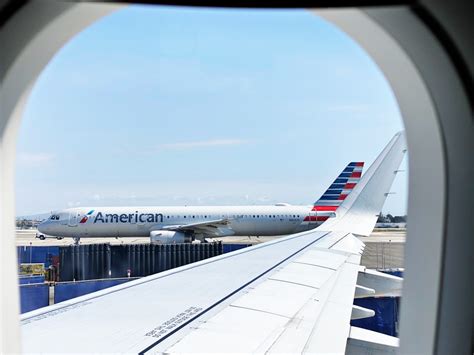
American Airlines Expands Loyalty Strategy Beyond Traditional Premium Travelers
Historically, airline status match programs focused on travelers from competing legacy airlines such as Delta Air Lines or United Airlines. Elite flyers from those carriers were viewed as proven high-spending customers capable of generating premium revenue through frequent business travel, co-branded credit card usage, and long-haul bookings.
American’s latest move breaks from that traditional formula.
Instead of limiting eligibility to premium network carriers, the airline is now openly courting travelers from a former ultra-low-cost competitor. Eligible Spirit Silver and Gold members can receive temporary AAdvantage Gold status through American’s Instant Status Pass program, granting four months of elite benefits with the possibility of extension through qualifying activity.
That decision reflects how airline economics have evolved in recent years. Loyalty programs themselves now generate enormous profits, often rivaling or exceeding the performance of core flight operations. Airlines increasingly view frequent flyers as long-term ecosystem customers rather than simply seat buyers.
A former Spirit traveler who adopts American Airlines for regular domestic flying could eventually become a valuable customer across multiple revenue streams, including:
- Co-branded credit cards
- Hotel and travel partnerships
- Vacation packages
- Ancillary purchases
- Corporate travel spending
American Airlines appears to recognize that loyalty potential is not exclusively tied to premium cabin spending. Many Spirit customers flew frequently, accumulated elite status organically, and demonstrated consistent travel behavior even while prioritizing lower fares.
That makes them highly attractive targets during a moment of market disruption.
Why Spirit Airlines’ Collapse Created A Rare Opening
Spirit Airlines occupied a unique position in the US aviation industry. While often criticized for its no-frills approach, the carrier developed an intensely loyal customer base among travelers who valued aggressive pricing and route flexibility.
Frequent Spirit flyers adapted to the airline’s stripped-down experience and learned how to maximize the Free Spirit loyalty program. Elite members still enjoyed meaningful perks, including priority boarding, seat selection benefits, and accelerated mileage earning.
When Spirit’s operations deteriorated, thousands of those loyal travelers were suddenly forced into the market searching for alternatives.
That created an unusually rare opportunity for legacy carriers.
In most situations, airline loyalties are deeply entrenched. Travelers who spend years earning elite status are reluctant to switch carriers because rebuilding benefits takes time and money. Spirit’s disruption effectively reset that equation overnight, giving competitors a narrow window to attract customers who otherwise may never have considered changing airlines.
American Airlines moved quickly to exploit that opening.
The airline’s offer provides former Spirit elites with immediate recognition instead of requiring lengthy qualification periods. For travelers accustomed to losing perks during airline transitions, the instant validation carries enormous psychological value.
It also removes one of the biggest barriers preventing frequent flyers from changing carriers: the fear of losing convenience.
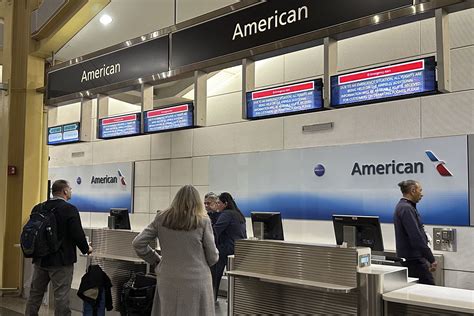
What Former Spirit Elites Receive With AAdvantage Gold Status
Although AAdvantage Gold represents the entry level of American Airlines elite status structure, the benefits remain significant for regular domestic travelers.
Matched members gain access to several advantages that improve the airport and onboard experience, including priority boarding privileges, preferred seating access, bonus mileage earning, and dedicated check-in lanes.
Eligible travelers may also receive complimentary upgrades on select flights, though upgrade availability varies heavily depending on route demand and elite competition.
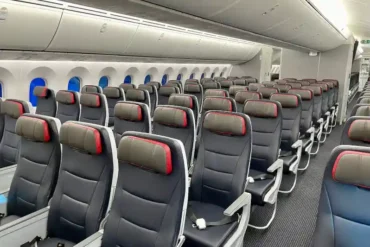
For many former Spirit passengers, the transition may feel like a substantial upgrade in comfort and consistency. Spirit’s ultra-low-cost model often required customers to pay separately for nearly every convenience, from seat assignments to carry-on baggage. By comparison, even entry-tier status on a legacy airline can introduce a noticeably smoother experience.
The benefits become particularly valuable during irregular operations such as delays or cancellations, where priority customer service access can dramatically reduce travel disruptions.
Importantly, the status match is not entirely automatic.
Applicants generally must provide proof of prior elite standing and recent account activity with Spirit Airlines. After receiving temporary Gold status, travelers must also earn sufficient Loyalty Points during the challenge period to retain benefits beyond the introductory phase.
That structure allows American Airlines to separate genuinely active travelers from opportunistic applicants seeking short-term perks.
Competition For Former Spirit Customers Is Intensifying
American Airlines is not alone in pursuing displaced Spirit travelers.
United Airlines recently disclosed that it secured more than 103,000 bookings and approximately 17,000 new loyalty members following Spirit’s collapse. Those figures revealed just how aggressively major airlines are competing for customers suddenly forced to reconsider their travel preferences.
The numbers also shattered a common industry misconception that ultra-low-cost airline customers lack long-term loyalty value.
Former Spirit passengers are actively migrating into larger airline ecosystems, and whichever carrier successfully captures those customers now could benefit for years through recurring travel spending and loyalty engagement.
Timing therefore matters enormously.
Travel habits become sticky surprisingly quickly. Once customers adopt new booking routines, download new airline apps, accumulate miles, and begin earning status again, they become less likely to switch a second time.
American Airlines appears determined to establish those relationships early.
Its willingness to grant immediate elite recognition may ultimately prove more persuasive than simple fare discounts or temporary promotions. Frequent travelers often value convenience, recognition, and consistency as much as ticket pricing, especially after experiencing operational instability.
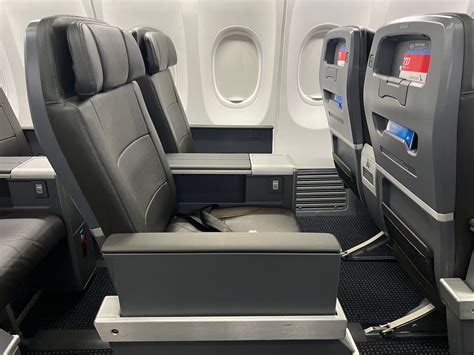
American Airlines Sees Long-Term Value In Disrupted Travelers
The broader significance of this status match extends beyond Spirit Airlines alone. It reflects a changing philosophy across the airline industry, where customer loyalty ecosystems increasingly drive strategic decision-making.
Airlines are no longer focused solely on premium travelers sitting in business class cabins. They are pursuing engaged customers capable of generating recurring revenue across multiple travel categories over many years.
Former Spirit elites fit that profile more than many industry observers expected.
These travelers demonstrated frequency, adaptability, and loyalty despite operating within a budget-focused environment. American Airlines is betting that with the right incentives and smoother travel experience, many of those passengers can transition into long-term AAdvantage customers.
For displaced Spirit flyers navigating uncertainty, the offer provides immediate continuity at a moment when travel routines have been abruptly disrupted.
For American Airlines, it may become one of the smartest loyalty acquisition opportunities the carrier has seen in years.