Airline loyalty programs used to reward one thing above all else: time spent in a seat at 35,000 feet. In 2026, that model has quietly collapsed. Airlines still like you to fly, of course, but they now make far more money when you swipe a card, book a hotel, order dinner, or buy a toaster through the right link. The result is a loyalty ecosystem where flying is optional and everyday life has become the primary mileage engine.
This shift has created an unusual moment of opportunity. Travelers who understand how points are created, sold, and later redeemed can build meaningful airline balances without stepping onto a jet bridge. The trick is learning how to earn points efficiently while avoiding the traps that quietly drain their value. Miles are a currency, and like all currencies, they reward discipline and punish inattention.
In practical terms, earning airline loyalty points without flying is no longer a fringe tactic. It is the dominant strategy for families, remote workers, infrequent travelers, and even seasoned road warriors who want to stretch their travel budgets further. Airlines now design loyalty programs to monetize normal spending, and the savvy customer can ride that wave rather than fight it.
The playbook below explains how this system works in 2026, which levers matter most, and how to turn routine purchases into future flights without chasing mileage runs or unnecessary trips.
Why Airline Loyalty Programs No Longer Depend on Flying
Airline loyalty programs in the United States are no longer side projects. They are standalone, multi-billion-dollar businesses. Delta Air Lines, American Airlines, United Airlines, Southwest Airlines, Alaska Airlines, and JetBlue all generate enormous cash flow by selling points to partners, especially banks issuing co-branded credit cards.
When a bank rewards cardholders with airline miles for grocery shopping or streaming subscriptions, the airline has already been paid in cash. The flight comes later, often at a low marginal cost. This structure explains why airlines aggressively reward non-flight activity while quietly shifting award pricing to dynamic models that mirror cash fares.
For consumers, this means points are easiest to earn when airlines are most profitable. Credit cards, portals, and partners are the arteries of the modern loyalty system. Flying still matters, but it is no longer the heart.
Credit Cards as the Primary Engine of Non-Flight Miles
Co-branded airline credit cards remain the single most powerful tool for earning miles without flying. In 2026, welcome bonuses routinely exceed what most casual travelers could earn from a year of flying. These bonuses exist because banks compete fiercely for cardholders, and airlines are happy to sell points in bulk.
Everyday spending then compounds those bonuses. Groceries, fuel, utilities, insurance premiums, and online subscriptions all become mileage-earning transactions when routed through the right card. Many cards also offer category accelerators, awarding extra points for dining, travel, or airline purchases.
Transferable bank points add another layer of flexibility. Programs from major issuers allow points to move between airlines, letting consumers chase the best redemption rather than locking into a single carrier. In a world of dynamic award pricing, this flexibility can be the difference between an overpriced redemption and a spectacular one.
Shopping Portals Turn Online Purchases Into Flights
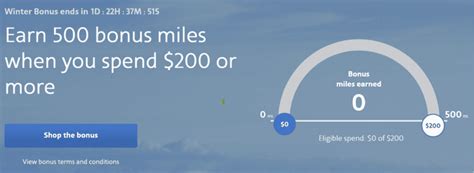
Airline shopping portals are one of the most overlooked mileage tools, even though they are among the easiest to use. These portals act as tracked gateways to popular retailers. Start a purchase through the portal, pay as usual, and miles post automatically.
In 2026, portals regularly offer multipliers that turn routine purchases into outsized mileage hauls. Seasonal promotions, limited-time bonuses, and holiday events can dramatically increase earning rates. The key is consistency. Shifting habits so that every eligible online purchase starts through a portal adds thousands of miles per year with no additional spending.
Stacking amplifies the effect. Portal bonuses combine with credit card earnings, and sometimes with targeted retailer offers. The purchase remains the same, but the points earned multiply quietly in the background.
Dining Programs and Local Spending Still Matter
Dining programs are less glamorous than credit cards, but they deliver steady, repeatable value. By linking a credit card to an airline dining network, members earn miles automatically when paying at participating restaurants.
In urban areas, coverage is surprisingly broad, ranging from casual cafés to high-end dining rooms. Bonus promotions are common, especially for new members or during seasonal pushes. Because dining programs run in the background, they reward normal social behavior rather than requiring intentional effort.
The real advantage is psychological. Dining miles feel “found” rather than earned, which helps offset the sense that loyalty programs demand constant attention. Over time, these small deposits accumulate into real award potential.
Hotel, Car Rental, and Vacation Platform Leverage
Airline-branded hotel and vacation platforms have grown aggressively, and for good reason. They allow airlines to capture a share of non-air travel spending while rewarding customers with both redeemable miles and, in some cases, elite-qualifying credit.
In 2026, booking a hotel through an airline platform can generate thousands of miles for a single stay. Vacation packages bundle flights, hotels, and car rentals, often earning miles on components that would otherwise be invisible to airline programs.
This strategy works best for planned travel such as family holidays, weddings, or seasonal getaways. The trip itself does not change, but the booking channel does. Over time, these decisions create status momentum without frequent flying.
Delta Air Lines: Building SkyMiles Without Boarding
Delta Air Lines has leaned heavily into non-flight earning, especially through its American Express partnership. Everyday spending on Delta co-branded cards remains the fastest way to build SkyMiles balances.
Shopping and dining programs add another layer, particularly when paired with limited-time promotions. Delta Vacations deserves special attention, as it often awards both redeemable miles and Medallion Qualification Dollars on bundled trips.
Status seekers benefit from Delta’s spending-based Medallion system. Eligible card spending converts directly into MQDs, and cardholders receive annual head starts that lower the effective cost of status. For many, Delta status is now a spending problem, not a flying problem.
American Airlines: Loyalty Points From the Ground Up
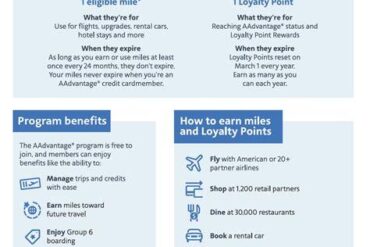
American Airlines’ Loyalty Points system is uniquely friendly to non-flying earners. Many partner activities earn both miles and Loyalty Points, making status attainable through everyday spending and strategic bookings.
AAdvantage Hotels, Cruises, and Vacations frequently offer lucrative bonuses, especially during promotional periods. Shopping and dining portals stack cleanly with co-branded credit cards, allowing triple-layer earning on a single transaction.
The critical detail is understanding which bonuses count toward status. Not all miles are created equal, and careful reading of terms prevents disappointment. Those who track promotions and posting timelines consistently outperform casual participants.
United Airlines: Miles Everywhere, Status With Limits
United Airlines offers a broad ecosystem for earning miles without flying. MileagePlus Shopping, Dining, Hotels, and the MileagePlus X app create multiple entry points for everyday earning.
Status qualification is more constrained. Premier Qualifying Points can be earned through eligible credit card spending, but annual caps apply. This makes planning essential. Portals accelerate miles, while cards provide a controlled path toward elite thresholds.
United’s system rewards discipline. Members who understand caps, timing, and eligible spend can progress meaningfully, while those who ignore the fine print often stall just short of the next tier.
Lesser-Known Earning Channels Worth Watching
Beyond the major pathways, airlines experiment constantly with niche earning options. Utility partnerships, surveys, rideshare integrations, and subscription services periodically offer mileage incentives. Individually, these offers are modest. Collectively, they add resilience to a points strategy.
Promotion stacking is the advanced move. Combining portal bonuses, card multipliers, and targeted offers can create brief windows of extraordinary earning. These moments reward attention, but they do not require obsession. A light monitoring habit is usually sufficient.
Understanding the Fine Print Before It Costs You
Points are only valuable if they can be used. In 2026, dynamic award pricing makes value fluid rather than fixed. Redemption rates swing with demand, and poor timing can erase years of careful earning.
Expiration rules still matter, though many programs now reset the clock with any earning activity. Earning caps, posting delays, and exclusions hide in the details. Ignoring them leads to frustration, not freedom.
Cash back remains a valid alternative. When redemptions are poor or flexibility is limited, taking cash can outperform miles. The smartest loyalty strategy is pragmatic, not ideological.
Why This System Exists and Why It Favors You
Airlines monetize loyalty programs because they generate predictable cash flow, valuable data, and deferred obligations. Points sold today become flights delivered later, often on empty seats. Breakage, fees, and expiration quietly boost margins.
For consumers, this means airlines are incentivized to make earning easy and spending habitual. The opportunity lies in earning aggressively and redeeming selectively. Those who understand the economics can extract outsized value from a system designed for scale, not precision.
The Practical Bottom Line for 2026
Collecting airline loyalty points without flying is no longer a hack. It is the default design. Credit cards, portals, dining programs, and travel platforms now do most of the work that miles once demanded in the air.
The balance of power has shifted. Travelers who align their spending with airline incentives can fund future trips quietly, efficiently, and on their own terms. Flying becomes the reward, not the requirement.
In 2026, the smartest mileage strategy does not start at the airport. It starts at home, with ordinary purchases, deliberate channels, and a clear understanding of how airlines turn daily life into deferred travel.