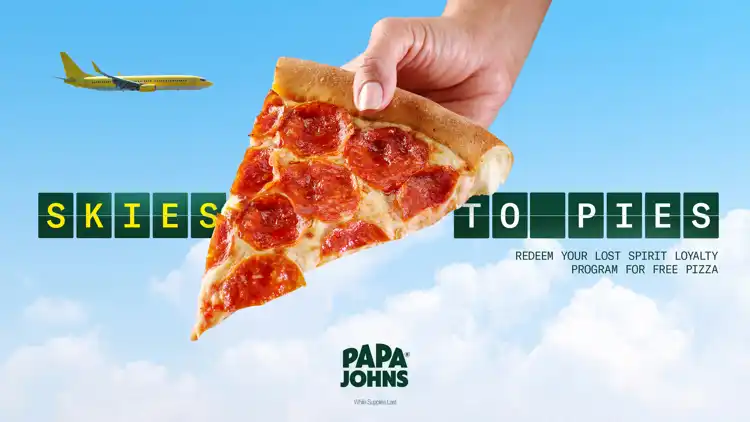
Spirit Airlines customers spent years collecting Free Spirit points through flights, baggage fees, seat upgrades, and co-branded credit card purchases. Within days of the airline suspending operations on May 2, many of those loyalty balances suddenly became little more than digital souvenirs. Then came an unexpected rescue attempt from an entirely different industry. Papa Johns stepped into the chaos with a promotion that instantly captured attention across aviation forums, social media, and loyalty communities by offering free pizza in exchange for stranded airline status.
The campaign, called “Skies to Pies,” may sound playful on the surface, but it has quickly become one of the clearest illustrations yet of how vulnerable airline loyalty ecosystems can become when a carrier collapses. For thousands of former Spirit passengers, a large one-topping pizza now represents the only immediately usable value attached to rewards balances that once promised discounted vacations and future travel opportunities.
The irony has not been lost on travelers. Across social platforms, users joked that Papa Johns had created a more useful redemption option than many airlines themselves. Others pointed out the uncomfortable truth underneath the humor: loyalty currencies only have value as long as the companies behind them remain operational and financially stable.
Spirit Airlines’ downfall transformed what was once marketed as a path toward affordable travel into a cautionary tale about the risks hidden inside airline rewards programs.
Papa Johns Turns Spirit Airlines Loyalty Status Into Free Pizza
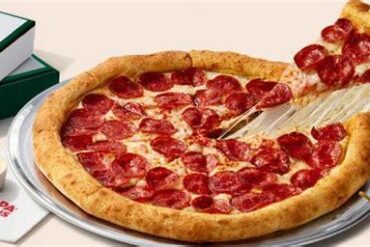
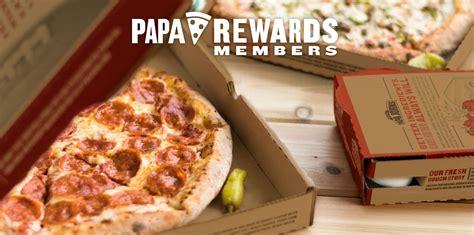
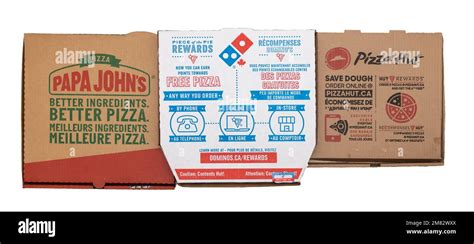
Papa Johns designed the promotion specifically for members of Spirit’s Free Spirit loyalty program. Customers are required to send proof of their Free Spirit membership through Instagram alongside evidence that they are enrolled in Papa Rewards. The first 250 verified participants receive a code redeemable for one free large one-topping pizza.
The campaign arrived at precisely the right moment to dominate online conversation. Spirit’s abrupt shutdown stranded travelers, canceled routes across the United States, Latin America, and the Caribbean, and froze many loyalty balances in the process. While airlines and regulators continue addressing refunds and compensation questions, Papa Johns seized an opportunity to position itself as the brand offering at least some immediate consolation.
The promotion also generated attention because it contrasted sharply with the response from larger carriers. While some passengers hoped competing airlines might offer status matches or limited loyalty conversions, most major airlines showed little interest in absorbing stranded Spirit members. Online discussions frequently highlighted how quickly airline loyalty can become isolated when a carrier lacks deep alliance partnerships.
Papa Johns’ senior vice president of brand marketing, Shivram Vaideeswaran, summarized the campaign’s tone by acknowledging the company could not restore canceled flights or lost points but could at least provide customers with “a smile and a delicious pizza.” That simple statement resonated because it recognized a frustration many travelers were already feeling.
For affected passengers, the free pizza became symbolic of something much larger than fast food marketing. It represented one of the few tangible benefits still available from a loyalty relationship that had effectively collapsed overnight.
Why Spirit Airlines Loyalty Points Became Nearly Worthless Overnight
Spirit Airlines built its business around the ultra-low-cost carrier model, where low base fares were paired with aggressive ancillary fees. Travelers paid extra for baggage, seat assignments, priority boarding, and numerous optional services. Those purchases fed directly into the airline’s Free Spirit loyalty ecosystem.
Unlike major international carriers connected through alliances such as Star Alliance, SkyTeam, or oneworld, Spirit operated with far less redemption flexibility. Customers could not easily transfer Free Spirit points into other airline programs, hotel systems, or broad travel ecosystems. That lack of interoperability became devastating once operations stopped.
The collapse exposed a harsh reality about loyalty currencies. Airline points are not regulated financial assets. They are company-controlled digital liabilities whose practical value depends entirely on the survival and operational stability of the issuing airline.
For years, large carriers have transformed loyalty programs into enormously profitable businesses. Airlines like United, Delta, and American generate billions through partnerships with banks and credit card issuers. In some cases, loyalty programs are considered more financially valuable than the airlines themselves. These ecosystems work because they offer scale, redemption flexibility, and long-term confidence among consumers.
Spirit’s program lacked many of those protections.
Passengers who accumulated Free Spirit points through frequent travel suddenly discovered they had very few alternatives once flights stopped. Refunds for credit card purchases may still process through standard financial channels, but loyalty balances occupy a far murkier territory. For travelers who spent years accumulating points, the realization arrived quickly: rewards are only as strong as the airline standing behind them.
Spirit Airlines Collapse Could Reshape Budget Airfare Across America
The shutdown of Spirit Airlines carries consequences extending far beyond loyalty programs. The airline played a major role in forcing fare competition across dozens of leisure-heavy markets, especially routes connected to Florida, Las Vegas, and Caribbean destinations.
Even travelers who never flew Spirit often benefited indirectly from its presence. Competing airlines frequently lowered ticket prices when Spirit entered a market with aggressively discounted fares. Industry analysts have long described this as the “Spirit Effect,” where the carrier’s ultra-low-cost model pressured larger airlines to reduce pricing to remain competitive.
With Spirit removed from the market, that pricing pressure may weaken significantly.
Travelers on former Spirit routes could soon experience rising fares, reduced seat availability, and less competition overall. The disappearance of one of America’s most recognizable budget airlines may create opportunities for rivals, but it also removes one of the strongest disruptors in modern domestic aviation.
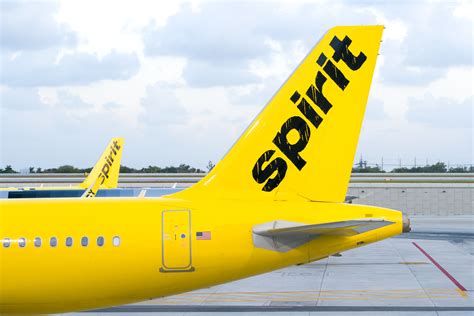
Spirit’s branding became famous precisely because it embraced controversy. Its bright yellow aircraft, densely packed cabins, and highly unbundled fare structure generated endless debate among passengers. Critics mocked the airline’s fees and customer experience, while supporters defended its ability to make air travel accessible for millions of budget-conscious travelers.
Despite the criticism, Spirit maintained a strong operational safety record and transported enormous passenger volumes every year. Its collapse therefore represents not only a business failure but also a major structural change within the low-cost aviation market.
Papa Johns Accidentally Highlighted A Bigger Problem In Airline Loyalty
What makes the “Skies to Pies” campaign so effective is that it unintentionally exposed the emotional weakness inside many loyalty programs. Airlines spend years encouraging customers to view points as valuable future assets. Travelers strategically choose flights, sign up for branded credit cards, and remain loyal to specific carriers based largely on promised future rewards.
But those promises depend heavily on stability.
Spirit’s shutdown demonstrated how quickly loyalty value can evaporate when an airline lacks broad partnerships or financial resilience. In contrast, larger airline alliances provide passengers with multiple redemption pathways even during disruptions or restructurings.
That difference matters enormously.
A traveler holding transferable points through a major global carrier ecosystem often retains at least some flexibility during operational crises. Spirit customers, however, found themselves trapped inside a closed-loop rewards system with very limited escape routes.
Papa Johns recognized the public frustration surrounding that reality and transformed it into a marketing opportunity that felt both humorous and surprisingly relevant. The company effectively positioned a free pizza as more immediately useful than abandoned airline points.
For many travelers, that joke landed a little too close to reality.
The “Skies to Pies” Promotion Became Viral Because Travelers Understand The Risk
The rapid popularity of Papa Johns’ campaign reflects growing public awareness about the uncertain nature of modern loyalty economies. Consumers increasingly understand that points, miles, and rewards currencies are not guaranteed assets. They are marketing instruments designed to encourage spending and brand loyalty.
When companies remain healthy, those systems can deliver enormous value. When businesses fail, the illusion of stability disappears quickly.
Spirit Airlines passengers learned that lesson in dramatic fashion. Their rewards ecosystem, once tied to flights across dozens of destinations, suddenly shrank into uncertainty almost overnight. Papa Johns simply became the first major brand willing to publicly acknowledge the situation with a promotion that mixed humor, opportunism, and genuine sympathy.
Ironically, that free pizza may become one of the most memorable redemption opportunities Free Spirit members ever received.