The southeastern United States learned, once again, how thin the margin is between routine efficiency and total paralysis when winter weather hits unprepared infrastructure. A fierce snowstorm ripped across the region, turning airports designed for mild winters into chokepoints of stalled aircraft, stranded passengers, and cascading delays that reached far beyond the storm’s footprint. At the heart of the disruption stood Charlotte Douglas International Airport (CLT) and Hartsfield-Jackson Atlanta International Airport (ATL)—two hubs whose importance to the national air network cannot be overstated.
What made this event especially disruptive was not record-breaking snowfall, but timing and geography. Snow, ice, and sustained subfreezing temperatures arrived quickly, reducing safe operating windows and overwhelming ground crews. Airlines reacted by slashing schedules, canceling flights en masse as conditions deteriorated hour by hour. By Saturday, January 31, the Southeast’s aviation backbone had slowed to a crawl, sending shockwaves through airline networks nationwide.
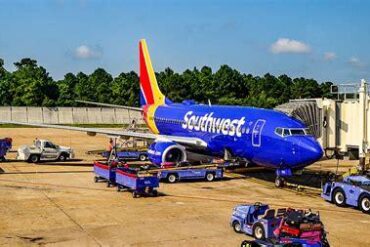
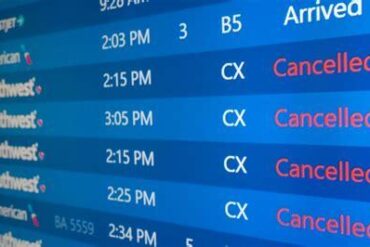
For travelers, the experience felt sudden and absolute. Flights vanished from departure boards. Connections unraveled mid-journey. Aircraft that should have been rotating smoothly through hubs instead sat frozen in place, physically and logistically. The storm exposed how deeply interconnected modern air travel has become—and how vulnerable that system is when a few critical nodes fail simultaneously.
Charlotte Douglas International Airport: From Mega-Hub to Near Standstill
Charlotte Douglas International Airport bore the brunt of the storm’s fury. Approximately 86% of scheduled flights—combining arrivals and departures—were canceled in a single day. In practical terms, that meant the airport was almost entirely shut down, with more than five out of every six planned operations never taking place. For an airport that typically manages over 1,500 daily flight movements, the collapse was staggering.
American Airlines, which operates roughly 88% of CLT’s traffic, absorbed the largest operational blow. As inbound flights were canceled, outbound recovery became impossible. Aircraft failed to reach the hub, crews were stranded out of position, and even brief improvements in weather could not restart the system. The hub-and-spoke model, usually a marvel of efficiency, became a force multiplier for disruption.
Airport officials emphasized that teams were actively responding, but the limits of Southern winter preparedness were clear. Snow-removal equipment and de-icing capacity at CLT are calibrated for rare events, not sustained winter storms. As ice lingered and temperatures remained low, turnaround times stretched dramatically, sealing the airport’s near-total shutdown.
Atlanta’s Partial Operations Mask Deep Disruption
Atlanta’s Hartsfield-Jackson Airport, the world’s busiest by passenger volume, managed to remain partially operational—but the numbers tell a sobering story. Roughly 36% of flights were canceled, with hundreds more delayed well beyond an hour. Delta Air Lines, ATL’s dominant carrier, aggressively trimmed schedules to align with deteriorating runway and taxiway conditions.
Despite staying open, passenger throughput dropped sharply. Missed connections piled up, gate availability tightened, and aircraft sequencing became increasingly complex. With ATL typically handling more than 2,500 flights per day, even a partial reduction translated into nationwide consequences. The airport’s sheer scale meant that every cancellation rippled outward, affecting secondary and tertiary airports far from the snow.
Why Southern Hubs Struggle in Severe Winter Weather
The Southeast rarely faces winter storms of this intensity, and that rarity shapes infrastructure decisions. Northern hubs invest heavily in mechanical snow-removal fleets and rapid runway clearing. Southern airports, by contrast, rely more on chemical de-icing and limited plowing resources. These methods work for light, short-lived events, but they slow dramatically when ice persists.
When inbound flights are canceled, aircraft rotations collapse. Crews time out. Maintenance schedules break. The result is a cascading failure that spreads faster than the storm itself. On January 31 alone, 2,470 flights within, into, or out of the United States were canceled, with the Southeast accounting for a disproportionate share relative to its usual winter traffic levels.
Nationwide Ripple Effects Across Airline Networks
The hub meltdowns triggered immediate nationwide repercussions. Airlines issued broad travel waivers, allowing passengers to rebook without change fees or opt for refunds. Nearby hotels around Charlotte Douglas filled rapidly as stranded travelers searched for overnight shelter. Rental car counters saw sudden spikes in demand from passengers abandoning air travel altogether.
Customer service systems strained under the surge. Phone queues stretched for hours. Online rebooking portals slowed or failed during peak demand. Even travelers nowhere near the storm felt its impact as displaced aircraft and crews caused secondary cancellations at otherwise clear airports.
The Long Road to Recovery After the Snow Stops
History suggests that recovery in the Southeast is rarely quick. Similar winter events have required three to five days for full operational normalization. Even after weather conditions improve, airlines often run reduced schedules to reposition aircraft and rebalance crews across their networks. This recovery phase frequently generates additional cancellations, extending passenger frustration well beyond the storm itself.
Lingering issues compound the disruption. Delayed or misrouted baggage surfaces days later. Seat availability tightens as rebooked passengers compete for limited space. Missed connections and altered itineraries ripple through business travel, cargo logistics, and leisure plans alike.
A Stark Reminder of Hub Vulnerability
The snowstorm that crippled Charlotte and strained Atlanta was not unprecedented—but it was revealing. It underscored how critical hub airports, optimized for efficiency, can become single points of failure when environmental assumptions break down. As climate volatility increases, these events may no longer be statistical outliers.
For airlines, airports, and regulators, the lesson is uncomfortably clear: resilience matters as much as efficiency. When the Southeast’s hubs freeze, the entire national air system feels the chill.