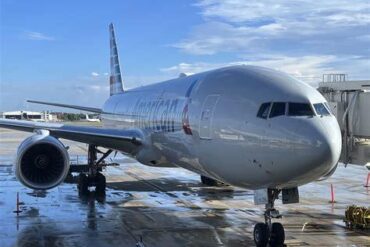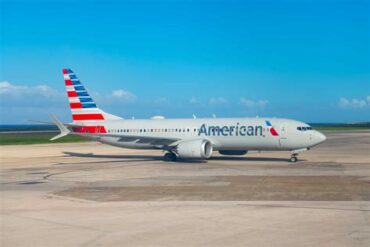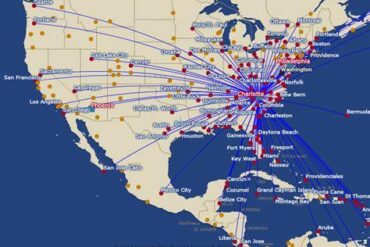
American Airlines has enacted a notable aircraft substitution on one of its key transcontinental routes: the heavily traveled corridor between John Wayne Airport (SNA) in Southern California and Charlotte Douglas International Airport (CLT) in North Carolina. As of June 5, 2025, the carrier has replaced the Airbus A321neo with the Boeing 737 MAX 8 on this route. The change, scheduled to remain in place until October 5, 2025, represents a deliberate and significant shift in operational strategy.
This route, first inaugurated in June 2023, has evolved into a cornerstone of American Airlines’ Western operations, linking Orange County’s growing business and leisure travel market with one of its primary East Coast hubs. The decision to implement a fleet change mid-year—during the height of the U.S. summer travel season—reflects broader considerations in fleet efficiency, demand modeling, and network realignment.
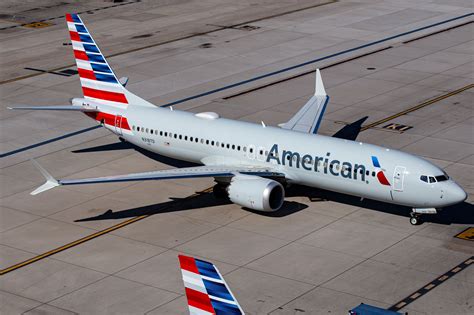
Boeing 737 MAX 8 Makes Its Debut on the SNA–CLT Route
The arrival of the Boeing 737 MAX 8 on the SNA–CLT service marks the first deployment of this aircraft type on this route. American Airlines has designated the MAX 8 as the exclusive aircraft for the next four months, displacing the A321neo, which had been the backbone of this connection since its inception.
This move comes after previous adjustments to the route, including a shift in scheduling philosophy from overnight redeyes to more traveler-friendly daytime departures, which helped boost the flight’s appeal to both business and leisure travelers.
The decision is not merely cosmetic; it entails meaningful operational and capacity implications. The 737 MAX 8’s introduction is emblematic of the airline’s responsiveness to evolving market conditions and reflects its broader optimization efforts across its national network.
Aircraft Comparison: A321neo vs. 737 MAX 8
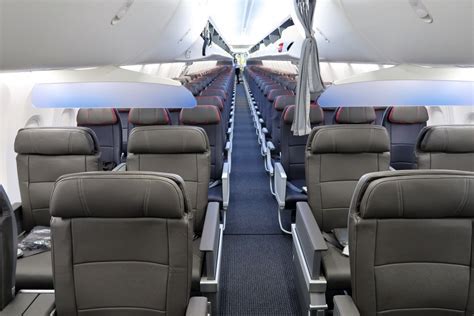
While both the Airbus A321neo and Boeing 737 MAX 8 are modern, fuel-efficient aircraft, their configurations cater to different capacity and service models. The A321neo, previously deployed on this route, seats up to 196 passengers. Its cabin layout includes:
- 20 First Class seats in a 2-2 configuration
- 176 Main Cabin seats, including 47 Main Cabin Extra seats with enhanced legroom
In contrast, the 737 MAX 8 features a total seating capacity of 172, broken down as:
- 16 First Class seats
- 156 Main Cabin seats, with 24 designated as Main Cabin Extra
This transition results in a net reduction of 24 seats per aircraft, a move that—scaled across multiple flights—creates a substantial reduction in route capacity.
Measuring the Impact: Seat Availability and Monthly Capacity
The reduction in aircraft size directly affects seat availability over the course of the summer months. In early June, the A321neo was supplying approximately 1,568 seats over eight flights. The transition to the 737 MAX 8 reduces this figure by an estimated 1,488 seats on a monthly basis.
For example, in July 2025, American Airlines plans to operate 31 round-trip flights on the CLT–SNA route using the 737 MAX 8. This will yield approximately 10,664 total seats for the month. Had the A321neo remained in service, the airline would have been able to offer 12,152 seats, reflecting a substantial decline in available inventory.
The same pattern emerges when reviewing a typical 30-day month: the A321neo could deliver 11,760 seats, while the 737 MAX 8 maxes out at around 10,320. This strategic downsizing indicates a targeted calibration of capacity, perhaps to align with post-peak travel forecasts or adapt to changing passenger load factors.
SNA’s Unique A321neo Footprint and Strategic Shifts
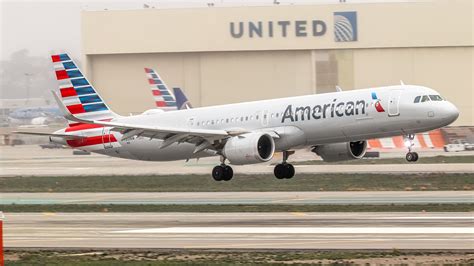
At John Wayne Airport, American Airlines holds a unique position as the sole operator of the Airbus A321neo. This aircraft has been utilized not only for the CLT route but also for flights to other critical hubs, including Phoenix (PHX) and Dallas/Fort Worth (DFW). However, the 737 MAX 8’s temporary takeover of the CLT route will now diminish the presence of the A321neo at SNA.
Since its launch, the CLT–SNA route has demonstrated resilient demand and operational consistency. The pivot to daytime schedules in Fall 2023 helped drive stronger bookings and greater customer satisfaction. These scheduling improvements are credited with reinforcing the route’s status as a flagship transcontinental service from Orange County.
Flight Cuts and Consolidation: Miami–SNA Route Dropped
While the CLT–SNA connection has flourished, not all routes from John Wayne Airport have been as fortunate. The Miami (MIA)–SNA route, launched in January 2024, struggled to maintain performance and was discontinued just seven months later in August 2024. At its peak, the MIA–SNA flight represented the second-longest nonstop route from the airport—second only to the New York JFK service.
Its cancellation underscores American Airlines’ willingness to course-correct when performance metrics fall short. In the wake of this change, the CLT–SNA service now stands as the longest continuous route from John Wayne Airport, further elevating its strategic importance in the carrier’s West Coast portfolio.
Market Dynamics and American Airlines’ Broader Strategy
The switch from the A321neo to the 737 MAX 8 is not just about aircraft—it’s a reflection of American Airlines’ nimble operational strategy. In a market increasingly influenced by shifting travel behaviors, competitive pressures, and evolving fuel economics, adjusting aircraft to match demand has become a vital tool.
This move allows the airline to optimize fuel burn and operating costs while still maintaining a robust presence on the route. While the smaller MAX 8 may seem like a downgrade in capacity, its fuel efficiency and lower trip costs offer tangible advantages. Moreover, deploying this aircraft type enables the airline to free up larger-capacity jets for higher-density routes where demand is surging.
It’s also worth noting that the MAX 8’s reputation has been on a steady recovery following its return to service, and this assignment to a high-visibility, premium route such as CLT–SNA signals growing confidence in the model’s reliability and passenger acceptance.
What This Means for Travelers and the Industry
For frequent fliers, the change will be most noticeable in cabin comfort and availability. Fewer First Class seats and fewer Main Cabin Extra seats may mean tighter upgrade opportunities and increased competition for legroom. At the same time, the frequency of flights remains steady, suggesting that American Airlines is focused on preserving schedule reliability despite the reduced capacity.
Industry watchers will interpret this move as a strategic fine-tuning maneuver, not a retreat. In fact, it may signal a trend toward more agile fleet deployment in response to real-time demand shifts—especially as the airline navigates post-pandemic normalization, pilot resource balancing, and capacity planning for Q3 and Q4 2025.
Looking Ahead: Will the A321neo Return?
The current aircraft change is explicitly temporary, with American Airlines indicating a return to the A321neo could occur after October 5, 2025. That said, the situation remains fluid. Should the MAX 8 perform well in terms of load factors, reliability, and profitability, American may opt to extend or even solidify its presence on this route.
As the summer unfolds, all eyes will be on how this adjustment impacts the CLT–SNA route’s overall performance. With travel patterns continuing to shift and fuel prices staying volatile, aircraft assignment decisions will remain a dynamic component of American Airlines’ operational playbook.
What’s certain is that the carrier is demonstrating a measured, responsive, and data-driven approach to network management—a strategy that could serve as a blueprint for legacy carriers adapting to a new aviation landscape.