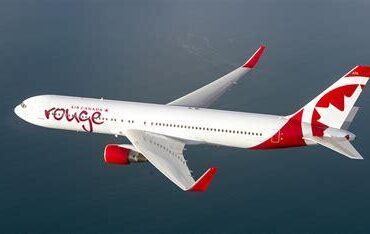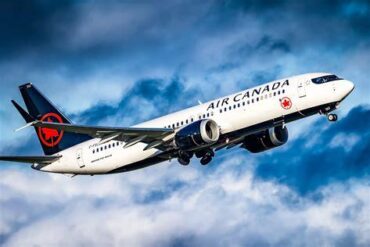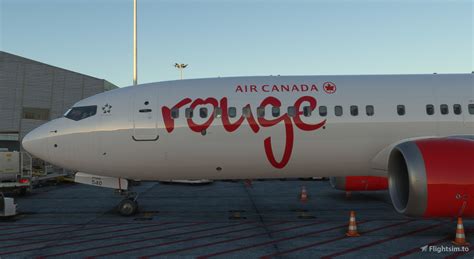
Air Canada Rouge is poised for a transformational leap as it prepares to begin operations with the Boeing 737 MAX 8 in the first quarter of 2026. The move signals not only a significant fleet modernization but also a strategic rebranding of the leisure-focused arm of Air Canada. This upcoming transition will see Rouge evolve into a more competitive hybrid carrier, expand its route network, densify cabin configurations, and reposition itself in the North American and transatlantic markets.
A Defining Fleet Transition: All Eyes on the Boeing 737 MAX 8
Air Canada Rouge’s decision to standardize its fleet around the Boeing 737 MAX 8 marks a watershed moment in its operational history. From its past reliance on Airbus A319s and Boeing 767s, Rouge is now aligning its fleet strategy for greater efficiency, streamlined maintenance, and optimized route planning.
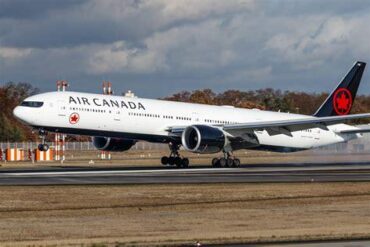
While Rouge goes all-in on the 737 MAX 8, mainline Air Canada is taking the opposite route, shifting its narrowbody fleet entirely to Airbus aircraft by the end of 2025. This strategic bifurcation of aircraft types across the parent and leisure brands will allow each to better cater to their target market segments and optimize operational costs.
Why Vancouver Matters: A New Operational Heartbeat for Rouge
Vancouver International Airport (YVR) is about to become a critical hub for Rouge’s new MAX 8 operations. Air Canada will establish a dedicated crew base at YVR for both pilots and flight attendants, underlining the importance of the western gateway in the airline’s future plans. YVR already facilitates long-haul services to Australia, New Zealand, and Asia, making it the ideal springboard for Rouge’s medium-to-long-haul leisure flights.
From Q1 2026, passengers can expect:
- Daily flights from Vancouver to Honolulu and Cancun.
- A four-times weekly service to Kona, Hawaii.
Each of these routes has a block time of just over six and a half hours, aligning with the 737 MAX 8’s capabilities in mid-haul transoceanic operations.
Transatlantic Growth: New European Gateways
Air Canada Rouge isn’t limiting its ambitions to North America. The carrier’s new MAX 8 fleet will stretch its wings across the Atlantic with the introduction of three new European routes in summer 2026:
- Montreal (YUL) to Nantes (NTE), launching June 10, 2026, operating three times a week.
- Toronto (YYZ) to Ponta Delgada (PDL) in the Portuguese Azores, launching June 11, also three times a week.
- Halifax (YHZ) to Brussels (BRU), launching June 18, rounding out the European expansion.
These routes illustrate Rouge’s intent to go head-to-head with the likes of WestJet, Azores Airlines, and even Air Transat. With each flight tailored for overnight travel or seamless daytime journeys, the new services are crafted to meet the demands of leisure travelers seeking affordability without sacrificing comfort.
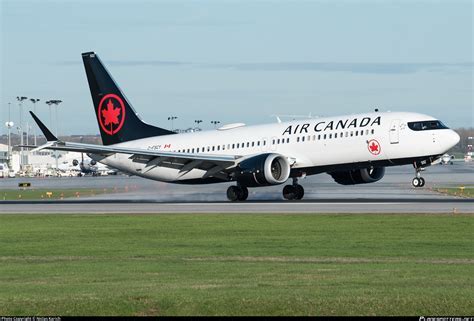
The New Rouge Experience: Hybrid Leisure Reimagined
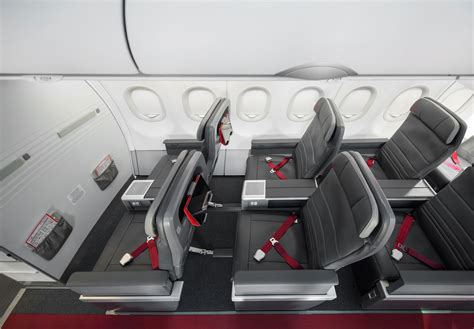
Air Canada Rouge is also overhauling its onboard product, marking a significant departure from its earlier low-cost carrier approach. The airline will introduce a new cabin configuration designed for comfort, class segmentation, and higher capacity:
- 12 Premium Rouge seats (business-class recliners)
- 18 Preferred Seats (extra legroom economy)
- 147 Economy Seats
This updated layout increases capacity to 177 passengers, up from the previous 169 in mainline configurations.
Each seat will now include a personal on-demand inflight entertainment screen, a notable departure from Rouge’s “bring your own device” model. Moreover, high-speed WiFi will be available free of charge to Aeroplan members, bringing the Rouge experience closer in line with mainline Air Canada standards.
Strategic Shift: From Budget to Premium-Lite
This isn’t just a fleet change—it’s a redefinition of the brand. Rouge is shifting from a traditional low-cost model to a hybrid leisure carrier, tailored for value-driven travelers who still expect a touch of comfort and convenience.
While other budget carriers focus on minimizing frills, Rouge is positioning itself in a unique middle space—offering elevated service standards without abandoning the price-conscious traveler. This aligns Rouge more closely with hybrid European carriers like Jet2 or Eurowings, and gives Air Canada a more flexible tool to tap into high-demand seasonal markets without diluting its premium mainline brand.
Timing is Everything: Fleet Readiness and Market Alignment
The entry into service of the Boeing 737 MAX 8 comes at a time when fuel efficiency, range capability, and cost per seat mile are more important than ever. With lower fuel burn and quieter engines, the MAX 8 is perfectly suited for Rouge’s leisure and VFR (visiting friends and relatives) markets, which are increasingly international in scope.
Rouge will capitalize on this timing in two ways:
- Fleet harmonization: The 737 MAX 8 brings simplified maintenance and crew training costs, vital in controlling expenses.
- Market agility: The plane’s range and efficiency make it ideal for pivoting between seasonal sun destinations and emerging European routes, depending on demand cycles.
The Competitive Landscape: Standing Out in a Crowded Sky
With WestJet and Air Transat already deeply embedded in many of these markets, Air Canada Rouge must deliver more than just competitive pricing. Its advantages lie in:
- Network synergy with mainline Air Canada, offering seamless connections.
- Aeroplan loyalty integration, enhancing customer retention.
- Superior onboard experience versus ultra-low-cost carriers.
Moreover, the new services to Ponta Delgada and Brussels are likely to attract both leisure travelers and diaspora communities. The Portugal route especially is a battleground, and Rouge’s strategic entry here reflects a calculated competitive play.
Looking Ahead: The 2026 Roadmap and Beyond
2026 will be the launchpad for a fully revitalized Air Canada Rouge. With its new MAX 8 fleet, enhanced onboard product, and expanded route map, Rouge is no longer a secondary brand—it’s a frontline player in Air Canada’s growth strategy.
The success of this reboot will hinge on execution precision. From crew training at Vancouver and rollout of onboard systems, to marketing campaigns and yield management, every aspect must work in harmony to cement Rouge’s new identity.
As the aviation world watches, Air Canada Rouge is preparing to take off—not just in a literal sense, but as a new model for hybrid leisure travel in North America and beyond.