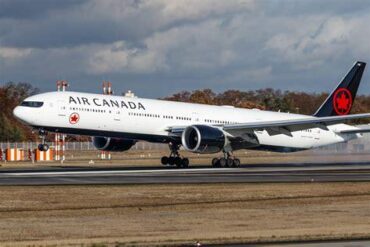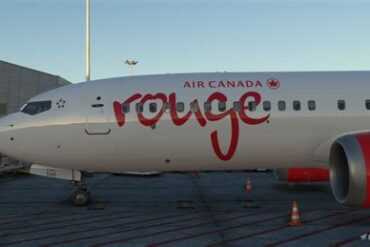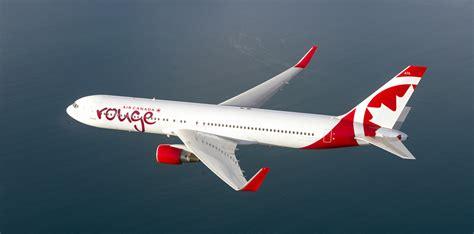
Air Canada Rouge, instantly recognizable by its vibrant branding, operates as the leisure-focused subsidiary of Canada’s flag carrier, Air Canada. Conceived to cater specifically to the vacation travel market, Rouge aims to provide a more cost-effective travel option while leveraging the extensive network and resources of its parent company. This airline is not a standalone entity in terms of booking or loyalty programs; it is fully integrated into the Air Canada mainline and Air Canada Express systems. Passengers book flights with Air Canada (AC) flight numbers, with the crucial distinction that these services are “operated by Air Canada Rouge,” a model similar to how regional flights are managed under the Air Canada Express banner. This integration allows for seamless connections and participation in the Aeroplan frequent-flyer program, offering a familiar framework for Air Canada’s loyal customer base while targeting a segment seeking value on popular holiday routes.
The genesis of Air Canada Rouge dates back to its official launch announcement in December 2012, with its inaugural flight taking to the skies on July 1, 2013. The first journey, from Toronto to Kingston, Jamaica, signaled Air Canada’s strategic move to more effectively compete in the burgeoning leisure travel sector. This market was, and continues to be, hotly contested by established players such as Air Transat, Sunwing, and WestJet, all vying for Canadian sun-seekers and international vacationers. Air Canada Rouge was positioned as Air Canada’s answer, a vehicle to capture a larger share of this lucrative segment by offering competitive fares on routes primarily to Europe, the Caribbean, and the United States. The initial fleet was modest, comprising just four aircraft transferred from Air Canada: two Airbus A319s and two Boeing 767s. These aircraft were chosen for their suitability to the mix of medium-haul and long-haul leisure destinations Rouge intended to serve.
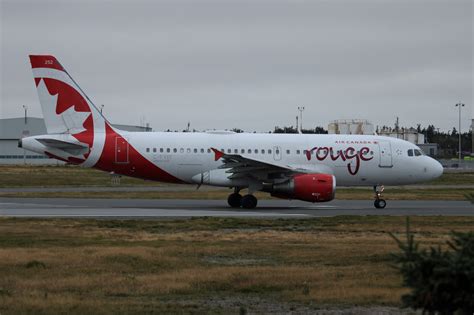
The airline embarked on an ambitious growth trajectory almost immediately. Within a mere 18 months of commencing operations, its fleet had swelled to 28 aircraft. Air Canada had bold plans for its leisure arm, projecting a fleet size of 16 Boeing 767s, 20 Airbus A319s, and five Airbus A321s by mid-2016. This rapid expansion underscored the parent company’s commitment to making Rouge a significant force in the leisure market. By early September 2016, the Boeing 767 contingent alone had grown to 19 aircraft, enabling Rouge to expand its footprint, particularly on transatlantic routes to popular European summer destinations.
Recognizing the demand for leisure travel from Western Canada, Air Canada announced on March 24, 2014, that Air Canada Rouge would begin operations from Vancouver and Calgary starting in the spring of that year. This strategic expansion targeted predominantly leisure markets, connecting Western Canadian travellers to sun destinations like Los Angeles, San Francisco, Las Vegas, Phoenix, and Palm Springs, as well as farther-flung locales such as Honolulu, Maui, and even Anchorage. A significant addition was a seasonal service from Vancouver to Osaka/Kansai, Japan, which commenced in May 2015, marking Rouge’s entry into the Asian market with its Boeing 767 fleet. Further network growth was unveiled in December 2015, with new routes including Toronto to Miami, Fort Myers, Charlottetown, and Deer Lake. Year-round services were also bolstered, with Toronto and Montreal to Fort Lauderdale, Montreal to Miami, Vancouver to San Diego and Mexico City, and Calgary to Phoenix becoming staple offerings in the Rouge network.
However, the global COVID-19 pandemic in 2020 brought unprecedented challenges and forced a significant restructuring of Air Canada’s operations, with Air Canada Rouge being profoundly affected. In May 2020, Air Canada announced the early retirement of 79 aircraft across its mainline and Rouge fleets. This decision hit Air Canada Rouge particularly hard, as it saw the departure of its entire fleet of 25 Boeing 767-300ERs, the backbone of its long-haul operations. Additionally, two Airbus A319s were retired. This fleet rationalization left Rouge with a significantly smaller and exclusively narrow-body fleet, comprising 18 Airbus A320/A321s and 20 Airbus A319s at the time. The immediate consequence was the airline’s inability to serve many of its established European destinations, such as Budapest or Zagreb, which were beyond the range of its remaining Airbus narrow-body aircraft. While there were initial plans to continue flying to some European destinations within narrow-body range, by February 2021, most Central and Eastern European routes, including Warsaw and Bucharest, were removed from the schedule due to the lack of suitable long-range aircraft. Compounding these difficulties, Air Canada Rouge services were entirely suspended from February 9, 2021, to September 7, 2021, to comply with new Canadian government travel rules aimed at curbing non-essential travel during the pandemic. This period marked a critical juncture, forcing a re-evaluation of Rouge’s fleet and route strategy for the post-pandemic era.
Strategic Positioning and Network: Carving a Niche in Leisure Travel
Air Canada Rouge was strategically conceived to operate within a specific segment of the air travel market: leisure travel. This focus dictates its route network, service model, and cost structure, all designed to appeal to vacationers and price-sensitive travellers. Its full integration into the Air Canada mainline and Air Canada Express networks is a key differentiator compared to standalone low-cost carriers. This means passengers benefit from Air Canada’s extensive sales channels, customer service infrastructure, and, importantly, participation in the Aeroplan frequent-flyer program. Flights are marketed with “AC” flight numbers but clearly designated as “operated by Air Canada Rouge,” providing transparency to customers about the product they can expect. This affiliate status, similar to that of Star Alliance regional partners, allows for seamless connectivity with Air Canada’s global network and codeshare agreements.
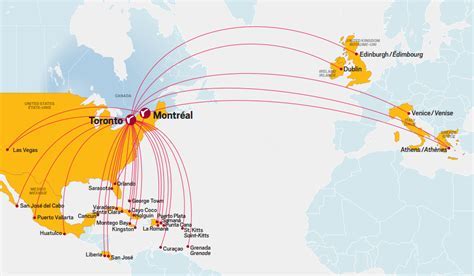
The airline operates primarily from two major Canadian hubs: Montréal–Trudeau International Airport (YUL) and Toronto Pearson International Airport (YYZ). These hubs serve as critical connection points and origin markets for a vast number of Rouge’s flights. Additionally, Rouge maintains focus city operations in Ottawa Macdonald–Cartier International Airport (YOW) and Halifax Stanfield International Airport (YHZ), further extending its reach to Eastern Canadian travellers.
Historically, Air Canada Rouge boasted a diverse network that included destinations across Europe, Asia, and South America, largely facilitated by its fleet of Boeing 767-300ER wide-body aircraft. However, the retirement of these long-haul aircraft during the COVID-19 pandemic necessitated a significant network recalibration. Currently, Air Canada Rouge’s destination portfolio is concentrated on leisure hotspots in the Caribbean, Central America, Mexico, and the United States. These regions are well-suited to its current all-narrow-body fleet of Airbus A320 family aircraft. While the glamour of intercontinental routes to cities like Budapest, Zagreb, Warsaw, or Osaka has diminished, the airline has doubled down on popular sun destinations, offering seasonal and year-round services to cater to Canadian demand for beach getaways and southern escapes. As an affiliate member of Star Alliance, Air Canada Rouge contributes to the alliance’s reach, although its services are primarily point-to-point leisure routes rather than key connecting flights for the broader alliance network. The ability for passengers to earn and redeem Aeroplan points on Rouge flights remains a significant draw, maintaining loyalty within the Air Canada ecosystem.
Air Canada Rouge Fleet: An All-Airbus Present, A Boeing Future
The composition of Air Canada Rouge’s fleet has undergone significant transformation since its inception, reflecting both strategic growth and responses to external pressures like the COVID-19 pandemic. As of May 2025, the airline operates an entirely Airbus narrow-body fleet, a shift from its earlier days which included Boeing wide-body aircraft for long-haul leisure routes. This streamlined fleet offers operational efficiencies in terms of maintenance, crew training, and scheduling.
Current Fleet Composition
The backbone of Air Canada Rouge’s current operations consists of the following Airbus aircraft types:
- Airbus A319-100: Rouge operates a substantial fleet of 18 Airbus A319-100s. These aircraft are configured with 136 seats, featuring 12 seats in a premium cabin (either Premium Rouge or Rouge Plus, depending on configuration and route) and 124 seats in Economy. The A319 is a workhorse for shorter to medium-haul routes, particularly to U.S. transborder destinations and sun spots in the Caribbean and Mexico. However, these aircraft are aging, and Air Canada has announced plans for their phased retirement. They are slated to be replaced by more modern and fuel-efficient Boeing 737 MAX 8 aircraft.
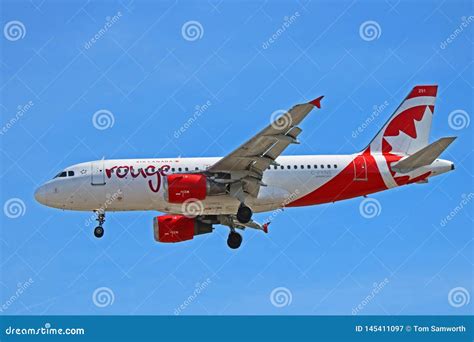
- Airbus A320-200: The fleet includes 5 Airbus A320-200 aircraft. These offer a slightly larger capacity than the A319s, typically seating 168 passengers, with 12 in the premium cabin and 156 in Economy. The A320s serve a similar route profile to the A319s but can be deployed on denser routes or those requiring a bit more capacity. These too are part of the A320ceo (Current Engine Option) family and are also expected to be eventually replaced as Air Canada modernizes its overall narrow-body fleet, with some potentially being succeeded by the incoming 737 MAXs designated for Rouge.
- Airbus A321-200: The largest aircraft currently in the Rouge fleet is the Airbus A321-200, with 14 units in service. These aircraft come in two main configurations: one offering 184 seats (8 Premium, 176 Economy) and a higher-density version with 196 seats (12 Premium, 184 Economy). The A321 provides the highest capacity among Rouge’s current aircraft, making it ideal for popular, high-demand leisure routes, especially during peak travel seasons. Its greater range compared to the A319 and A320 also allows it to serve some of the longer routes within Rouge’s current network, such as transcontinental flights within Canada that feed into international leisure destinations or longer-haul sun routes.
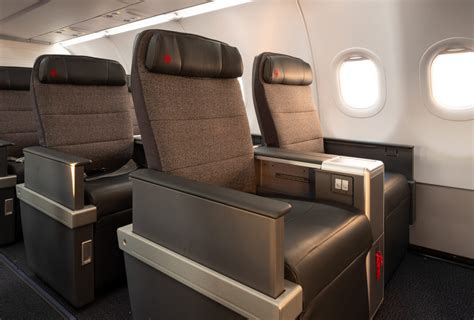
A significant development for the future of Air Canada Rouge’s fleet is the planned transfer of Boeing 737 MAX 8 aircraft from Air Canada mainline. As of December 2024, Air Canada announced that 52 of these aircraft are earmarked for Rouge, with transfers expected to be completed by 2028. These modern aircraft will replace the aging Airbus A319s and A320ceos, bringing enhanced fuel efficiency, lower operating costs, and an improved passenger experience with updated cabin interiors and amenities. This move signals a long-term commitment to Rouge and a strategic shift towards a more standardized and efficient narrow-body operation predominantly based on the 737 MAX for this segment of Air Canada’s portfolio.
Former Fleet: The Boeing 767-300ER Era
A pivotal part of Air Canada Rouge’s history involved the operation of Boeing 767-300ER aircraft. At its peak, Rouge operated 25 of these wide-body jets, which were transferred from Air Canada mainline. These aircraft were instrumental in Rouge’s expansion into long-haul leisure markets, particularly to Europe, and also served high-capacity routes to the Caribbean and select destinations in Asia and South America. The Boeing 767s were typically configured with 282 seats, a significant increase in density compared to their mainline counterparts, reflecting Rouge’s low-cost leisure model. This included 24 Premium Rouge seats, 35 Rouge Plus (extra legroom economy) seats, and 223 standard Economy seats.
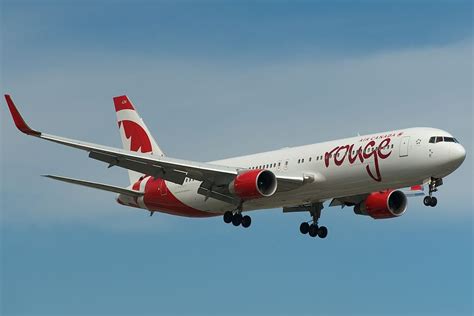
The COVID-19 pandemic precipitated the early retirement of the entire Boeing 767-300ER fleet from Rouge service in 2020. This decision, driven by the collapse in international travel demand and the need for fleet rationalization, fundamentally altered Rouge’s operational capabilities, leading to the cessation of its long-haul intercontinental routes. Some of these retired 767s were subsequently converted into dedicated freighters for Air Canada Cargo, finding a new life in the booming air freight market. The departure of the 767s marked the end of an era for Rouge, repositioning it as an exclusively narrow-body operator focused on shorter-haul leisure destinations.
The Air Canada Rouge Onboard Experience: Balancing Cost and Comfort
The service concept aboard Air Canada Rouge is tailored to the leisure market, emphasizing value while offering tiered product options. This approach is evident in its seating configurations, entertainment systems, and onboard service offerings, which differ distinctly from Air Canada’s mainline product.
Seating: High-Density for Leisure Markets
A defining characteristic of Air Canada Rouge is its higher-density seating configuration compared to equivalent aircraft in the Air Canada mainline fleet. This densification is a key element of its lower-cost operating model.
The Airbus A319 aircraft in the Rouge fleet, for example, are configured with 136 seats, which is 16 more seats than a typical Air Canada mainline A319. The first four rows are generally allocated to Premium Rouge or Rouge Plus passengers, offering a slightly enhanced experience. Premium Rouge typically features wider seats with more recline and legroom, comparable to a regional business class or domestic first class product, while Rouge Plus offers standard economy seats with additional legroom in desirable cabin locations.
The now-retired Boeing 767-300ER aircraft were even more striking in their densification, carrying up to 282 passengers. This was approximately 71 more passengers than most Air Canada mainline Boeing 767-300ER configurations. These aircraft featured 24 Premium Rouge seats, 35 Rouge Plus seats, and 223 standard Economy seats.
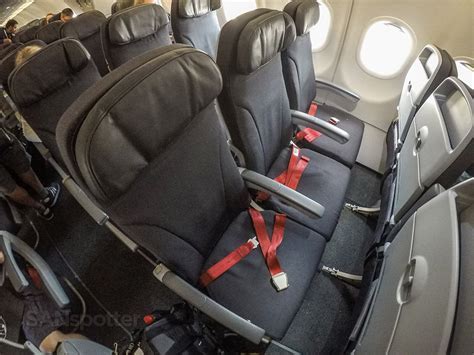
One of the most frequently discussed aspects of the Rouge Economy experience, particularly on its Airbus A320-family aircraft (A319, A320, A321), is the seat pitch. The standard Economy seat pitch on these aircraft, often cited as 29 inches, is among the tightest in North America. This results in noticeably less legroom compared to many other carriers, including Air Canada mainline. While this allows Rouge to maximize passenger count and offer lower base fares, it can be a point of discomfort for taller passengers or those on longer flights within the narrow-body network. Passengers seeking more comfort have the option to pay for Rouge Plus seats or upgrade to Premium Rouge where available.
In-Flight Entertainment: Streaming to Personal Devices
Air Canada Rouge has forgone traditional seatback entertainment screens in favour of a wireless streaming entertainment system called “Player.” This system allows passengers to stream movies, TV shows, music, and other content directly to their own personal electronic devices, such as smartphones (Apple iOS and Android), tablets, and laptops. To access Player, passengers typically need to download the Air Canada app before their flight or connect to the onboard Wi-Fi network to access the streaming portal. The content library is curated to appeal to a leisure audience and is updated periodically. This Bring Your Own Device (BYOD) model reduces aircraft weight and maintenance costs associated with embedded entertainment systems.

All Air Canada Rouge aircraft are equipped with Wi-Fi, provided by Intelsat (which acquired Gogo’s commercial aviation business). Wi-Fi access allows passengers to stay connected, browse the internet, or stream content beyond what is offered on the Player system, typically for a fee. In a move to enhance its premium offering, Air Canada announced in November 2022 that Wi-Fi access would be offered complimentary to customers flying in the Premium Rouge cabin, adding value to this higher-fare product.
On-Board Services: Meals and Baggage
The baggage allowance on Air Canada Rouge flights generally mirrors that of Air Canada mainline. This means that standard carry-on and checked baggage policies, including fees for checked bags in Economy Class, apply. This consistency simplifies the travel experience for passengers connecting between Air Canada and Air Canada Rouge flights.
In terms of catering, the service varies significantly between cabins. In Premium Rouge, passengers receive a complimentary full meal service on flights longer than two hours, along with complimentary beverages, including alcoholic options. This offering is designed to be a step above the Economy experience, aligning with a premium leisure product.
In the Economy cabin, Air Canada Rouge offers a buy-on-board food and beverage program for flights exceeding two hours. This is in line with the service model on Air Canada mainline short-haul flights and many low-cost carriers. Passengers can purchase a variety of snacks, light meals, and beverages, including alcoholic drinks. Complimentary non-alcoholic beverages like water, juice, coffee, and tea are typically still offered. This approach helps keep base fares lower by unbundling the cost of meals for Economy passengers who may prefer to bring their own food or purchase specific items.
Future Outlook and Navigating a Competitive Sky
Air Canada Rouge is navigating a dynamic and fiercely competitive leisure travel market, with its future trajectory shaped by fleet modernization, evolving passenger expectations, and the constant pressure to maintain cost-efficiency. The airline’s strategy appears focused on solidifying its position as Air Canada’s dedicated leisure carrier, leveraging the strengths of its parent company while adapting its own product to meet the demands of vacation travelers.
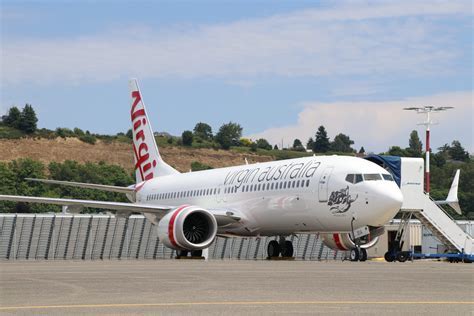
A cornerstone of Rouge’s future is the significant fleet renewal program involving the transfer of up to 52 Boeing 737 MAX 8 aircraft from Air Canada mainline, expected to be completed by 2028. This move is pivotal. The 737 MAX 8 offers substantial improvements in fuel efficiency, reduced emissions, and lower operating costs compared to the older Airbus A319 and A320ceo aircraft they will replace. For passengers, this transition promises a more modern onboard experience, potentially with updated cabin interiors and amenities more aligned with contemporary standards. This fleet refresh will not only enhance operational efficiency but also improve Rouge’s environmental footprint.
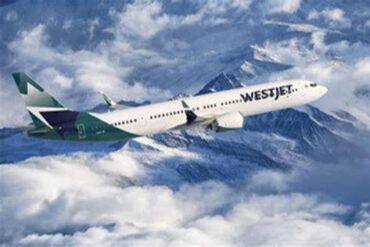
The competitive landscape remains a primary challenge. Air Canada Rouge contends with dedicated low-cost carriers like Flair Airlines and Swoop (though Swoop is being integrated into WestJet), as well as established leisure airlines like Air Transat and Sunwing Airlines, and the primary leisure offerings of WestJet. Each competitor has its own value proposition, and Rouge must continuously differentiate itself. Its integration with Air Canada and the Aeroplan program provides a significant advantage in terms of network reach and customer loyalty, but it must still compete keenly on price and product for sun and leisure routes.
Adapting to post-pandemic travel trends is another critical factor. While demand for leisure travel has rebounded strongly, passenger preferences may have shifted. There might be increased demand for more space, enhanced cleanliness protocols, and flexible booking options. Rouge’s high-density seating model, particularly the tight seat pitch in Economy, will continue to be a point of consideration for travelers. Balancing the cost benefits of this model with passenger comfort and satisfaction will be an ongoing task. The complimentary Wi-Fi in Premium Rouge is an example of an enhancement aimed at improving the value proposition for higher-tier leisure travelers.
Ultimately, Air Canada Rouge’s success will hinge on its ability to effectively balance cost-efficiency with a compelling passenger experience. As a subsidiary of a full-service network carrier, it operates under a different set of constraints and opportunities than standalone LCCs. It must deliver on the promise of affordable leisure travel while maintaining a level of service and reliability consistent with the Air Canada brand. The strategic integration of the Boeing 737 MAX fleet and continued refinement of its onboard product and network will be key to its ability to thrive in the years to come, serving as Air Canada’s primary tool for capturing the leisure travel dollar.
Conclusion: Air Canada Rouge’s Enduring Journey in Leisure Aviation
Air Canada Rouge has carved out a distinct, if sometimes debated, identity within the Canadian aviation landscape since its launch in 2013. Born from Air Canada’s strategic imperative to compete more aggressively in the leisure travel market, Rouge has undergone significant evolution, adapting its fleet, network, and service model in response to market dynamics and unforeseen global events like the COVID-19 pandemic. Its journey reflects the inherent challenges and opportunities of operating a “carrier-within-a-carrier” model, designed to offer more affordable fares to sun-drenched destinations and popular vacation spots.
From its initial rapid expansion with a mixed fleet of Airbus narrow-bodies and Boeing 767 wide-bodies that connected Canadians to Europe, the Americas, and even Asia, Rouge has transitioned into a more focused, all-narrow-body operator. The retirement of the 767s reshaped its geographical reach, concentrating its efforts on North American and Caribbean leisure routes where its Airbus A319s, A320s, and A321s can operate efficiently. The upcoming integration of a large fleet of Boeing 737 MAX 8 aircraft signals a new chapter, promising enhanced efficiency and a modernized passenger experience, while reaffirming Air Canada’s commitment to its leisure subsidiary.
The onboard experience, characterized by high-density seating in Economy, a BYOD entertainment system, and buy-on-board meal options, clearly positions Rouge in the value-oriented segment. While these features contribute to lower operating costs and more competitive fares, they also present an ongoing challenge in managing passenger perceptions of comfort and service. The premium cabin offerings, Premium Rouge and Rouge Plus, provide options for travelers seeking a more comfortable journey. Its full integration with Air Canada’s booking systems and the Aeroplan loyalty program remains a significant asset, offering a seamless experience for many Air Canada customers. As Air Canada Rouge continues to navigate the competitive skies, its ability to balance affordability with a satisfactory travel experience, supported by a modernized fleet, will determine its continued success in flying Canadians to their well-earned vacations.