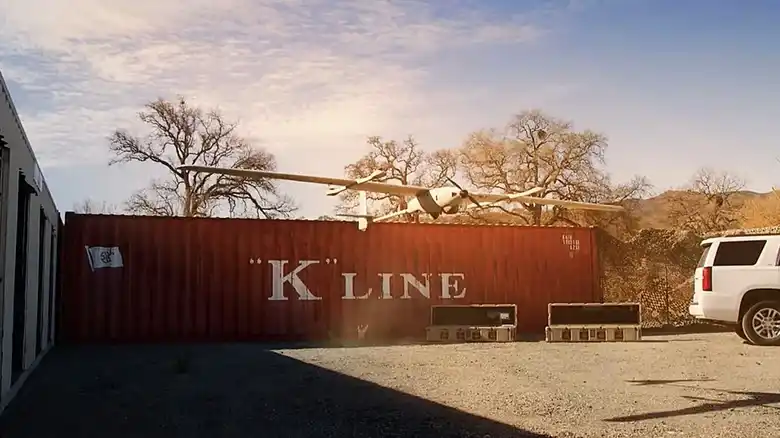
In January 2026, the Baton Rouge Police Department (BRPD) proudly announced that it was the first law enforcement agency to integrate Lockheed Martin’s state-of-the-art Stalker VXE30 drone into its operations. This significant leap in policing technology comes after a tragic event in 2023, where the department lost its helicopter program and aviation support unit due to a fatal crash. Since then, the BRPD has increasingly turned to unmanned aerial vehicles (UAVs) to fill the gap left by its grounded aviation resources.
The Stalker VXE30: A Compact Surveillance Powerhouse
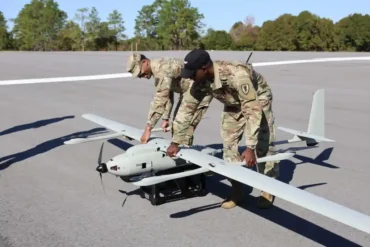
The Stalker VXE30 drone is a marvel of modern design and engineering. With a 16-foot wingspan, this small-footprint drone is designed for efficiency and portability. Its lightweight structure allows it to be disassembled and packed into an SUV or van, making it ideal for rapid deployment and versatility in different environments. Capable of flying at altitudes up to 400 feet, the drone operates with remarkable precision, boasting a maximum speed of 58 mph and a cruise speed of 36 mph, ensuring effective surveillance across a large area.
Lockheed Martin’s Stalker VXE30 features cutting-edge capabilities for police work, including a four-hour flight time and a thermal camera with exceptional zoom. This configuration equips the Baton Rouge Police with an unprecedented aerial view, allowing them to monitor crime scenes, track suspects, and conduct searches with a level of efficiency and clarity previously impossible with traditional aviation support.
From Helicopters to Drones: A Necessary Evolution in Law Enforcement
The BRPD’s shift to drones follows a devastating loss of its aviation support in 2023 when a police helicopter tragically crashed, claiming the lives of two officers. The transition to drone technology has been vital, offering a reliable alternative to helicopters that is both cost-effective and highly flexible. The VXE30’s ability to operate in areas where traditional aircraft would struggle—whether due to size, location, or weather conditions—makes it an invaluable tool for modern policing.
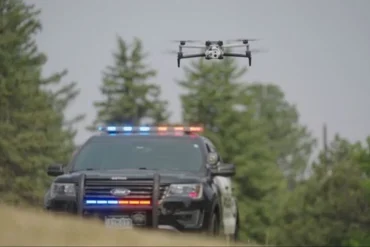
As the department’s 31st drone, the VXE30 adds to a growing arsenal of UAVs, which are manned by a task force of 24 FAA-licensed pilots. The increasing reliance on drones is part of a broader trend across law enforcement agencies in the U.S., which are adopting UAVs not only for surveillance but also for tactical operations like vehicle pursuits and search and rescue missions. This evolution marks a shift in how law enforcement engages with modern technology, ensuring public safety through innovative, unmanned solutions.
Advanced Surveillance Technology at a Local Level
One of the standout features of the Stalker VXE30 is its autonomous navigation system. While the drone is remotely operated via a computer interface, its onboard AI powers its navigation and surveillance systems, providing enhanced operational efficiency. Features like waypoint navigation and cursor-on-target compliance allow operators to pinpoint exact locations of interest with unprecedented precision. This makes it a crucial asset during high-risk operations, where human intervention can be limited or dangerous.
Despite its compact design, the Stalker VXE30’s advanced thermal imaging capabilities and real-time data streaming empower the BRPD to monitor perimeters, assist in suspect searches, and provide critical situational awareness during active pursuits. The drone’s vertical take-off and landing (VTOL) ability ensure it can be deployed almost anywhere, from narrow alleys to crowded urban environments, without needing a large or clear landing zone.
Controversial Implications: Civil Rights Concerns and Oversight
While the Stalker VXE30 brings significant benefits to law enforcement operations, it also raises important questions about privacy and the oversight of such advanced technology. The use of drones in policing is controversial, with civil rights groups expressing concerns over potential surveillance overreach. These concerns are particularly acute with the deployment of military-grade technology in a local context.
Advocacy groups are calling for clear policies and regulations to ensure that the deployment of drones like the VXE30 is done with full transparency and accountability. In response, the BRPD has emphasized that the drone will be used for specific, controlled purposes, such as assisting in search and rescue operations, conducting building searches, and supporting other emergency services like firefighters and rescue teams. Nevertheless, the stealth and military-grade tech embedded in the drone’s design has raised questions about the potential for surveillance abuse, pushing for greater public discourse around its use.
Looking to the Future: The Role of Drones in Public Safety
As cities across the U.S. and globally explore the use of drones in law enforcement, the Baton Rouge Police Department’s decision to be the first to adopt Lockheed Martin’s Stalker VXE30 signals a bold move toward the future of policing. Drones are no longer a futuristic concept; they are an integral part of modern law enforcement. Whether it’s enhancing safety, improving efficiency, or reducing costs, drones like the VXE30 will continue to redefine how police forces approach their mission of protecting and serving their communities.
With this leap into drone technology, Baton Rouge’s commitment to staying on the cutting edge of law enforcement innovation sets an example for other cities to follow. As the conversation around drones continues to evolve, the Stalker VXE30 and its successors will undoubtedly play a critical role in shaping the future of policing.