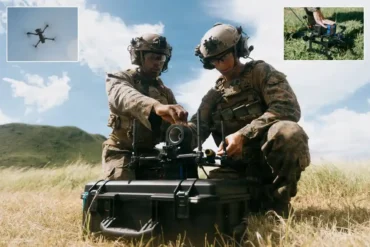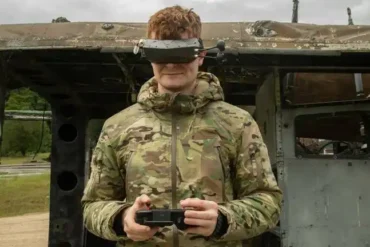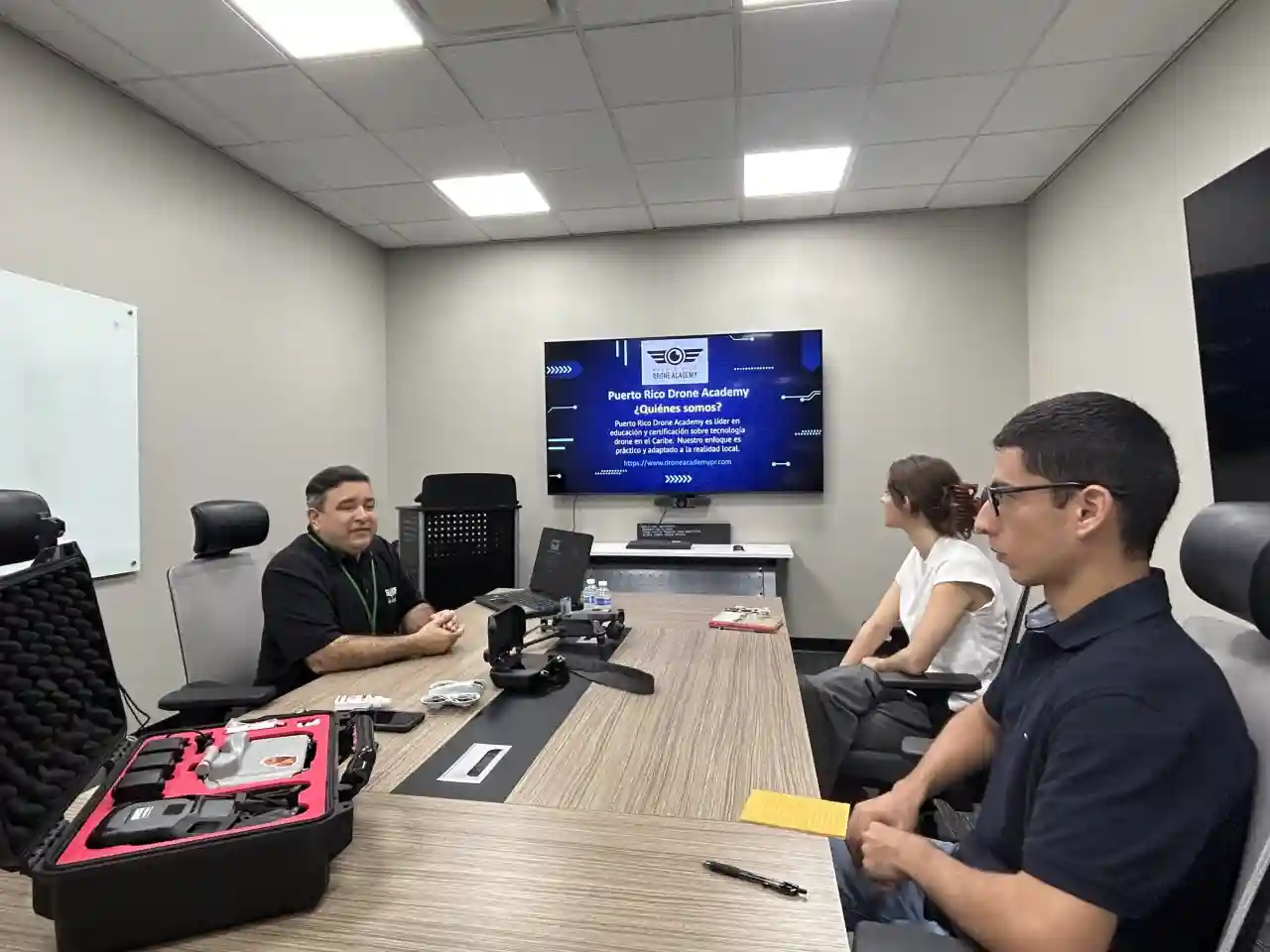
In a bold move that merges national security priorities with next-generation talent development, LIFT — the U.S. Department of Defense-supported advanced manufacturing institute — has officially launched a drone innovation program in Caguas, Puerto Rico. The initiative is already making waves in engineering circles as it invites local university students to the forefront of UAV (Unmanned Aerial Vehicle) development, preparing them for mission-critical applications in defense and environmental monitoring.
This forward-thinking program represents a strategic investment in Puerto Rico’s engineering and technology ecosystem, leveraging academic partnerships and defense-backed funding to create a powerful feedback loop of innovation, training, and manufacturing.
Empowering Puerto Rico’s Next-Gen Engineers
The backbone of the program is built upon collaboration with the University of Puerto Rico at Mayagüez, specifically its College of Mechanical Engineering. Here, students aren’t simply observing or learning from textbooks — they are designing, prototyping, and testing real-world drone components. The focus is a lightweight drone-mounted sensor system that can be customized for environmental monitoring, such as detecting pollutants, assessing air quality, and evaluating ecological impacts in sensitive or remote areas.
Students are immersed in the complete lifecycle of drone development, using industry-relevant technologies like Arduino microcontrollers and 3D printing. From concept sketching to final air testing, they’re given the opportunity to innovate with purpose, addressing both technical challenges and real-world missions such as:
- Port security monitoring
- Supply chain tracking in sensitive zones
- Air and environmental quality assessment
This initiative not only gives students tangible engineering experience, but also plugs them directly into the national defense innovation network, a rare opportunity that has already begun to shape new career pathways.
Strategic Alignment with U.S. Defense and Industry Needs
The program is part of a broader national framework backed by the Department of Defense Manufacturing Technology Program, and it is managed by the Office of the Under Secretary of Defense for Research and Engineering. At its core, it represents a critical convergence of regional talent development and national capability-building.
According to Dr. Robert Shaner, LIFT’s Chief Education and Workforce Development Officer, the Puerto Rico drone initiative reflects a strategic push to diversify and localize innovation:
“This effort underscores LIFT’s commitment to strengthening the U.S. manufacturing and defense innovation base by investing in regional talent, driving innovative technologies, and fostering collaboration between academia, industry, and government. Puerto Rico is uniquely positioned to serve as a national testbed for drone technologies and advanced materials.”
By focusing on regional capacity building, LIFT is addressing a longstanding challenge in the U.S. defense sector: the need for geographically distributed innovation hubs that can maintain resilience, supply chain independence, and technical leadership.
The Role of the Puerto Rico Drone Academy
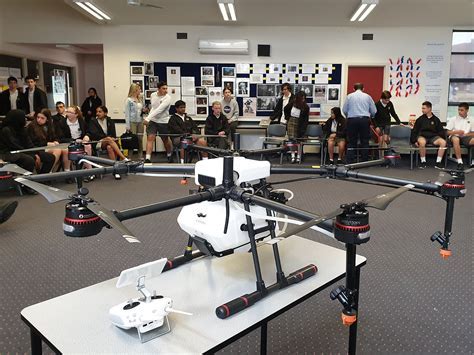
A pivotal partner in this endeavor is the Puerto Rico Drone Academy, which offers students technical guidance, simulation access, and supervised field testing environments. Workshops on aerodynamics, sensor integration, and FAA regulations ensure participants not only develop drones that work — but drones that comply with legal and operational frameworks crucial for defense and emergency operations.
Through these partnerships, the initiative is accelerating workforce readiness. The combination of academic rigor, hands-on experimentation, and defense-backed objectives means students leave with more than just a diploma — they leave with a portfolio of real-world projects and a deep understanding of the manufacturing innovation lifecycle.
Building a Resilient Innovation Ecosystem
The long-term vision behind LIFT’s investment goes far beyond Puerto Rico. It aims to reshape how America approaches innovation, placing greater emphasis on public-private partnerships that can adapt quickly to changing technological and geopolitical landscapes.
LIFT’s work in Puerto Rico is emblematic of a next-generation manufacturing ecosystem where talent, tools, and technology coalesce to address strategic national objectives. The drones created under this initiative are not being shelved for academic purposes — they are built for field deployment, tackling national challenges such as:
- Maritime and coastal surveillance in critical trade routes
- Monitoring and securing U.S. territorial waters
- Real-time data collection to enhance disaster response
Real-World Impact and Career Trajectories
The value of this initiative extends beyond technology. It’s a pipeline builder, one that transforms students into industry-ready professionals. By aligning their education with direct defense applications, the program is bridging a gap that often exists between academia and real-world readiness.
As defense agencies continue to explore drone swarms, AI-enhanced UAVs, and modular drone systems, the experience gained in Puerto Rico equips students to step confidently into roles at:
- Defense contractors such as Lockheed Martin, Raytheon, and Northrop Grumman
- Government agencies including the Department of Homeland Security and NOAA
- Private sector roles in logistics, environmental consultancy, and disaster relief tech
More than just launching drones, LIFT is launching careers that matter — careers that support the security, health, and resilience of the nation.
Why Puerto Rico? A Strategic Location with Untapped Potential
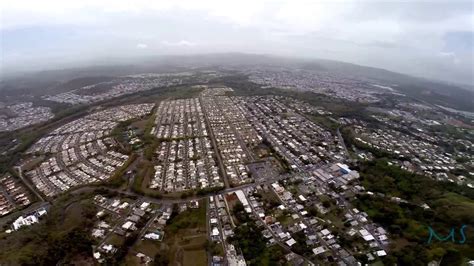
Puerto Rico offers unique geographic and geopolitical advantages for advanced drone testing and manufacturing. Its tropical terrain, diverse microclimates, and proximity to key maritime trade routes make it an ideal setting for real-world trials in environmental monitoring, surveillance, and logistics support.
Moreover, as a U.S. territory, Puerto Rico provides the legal and regulatory framework necessary for integrating such programs into the broader national defense strategy, while still offering localized scalability. The territory’s untapped pool of engineering talent, coupled with rising investments in STEM education, marks Puerto Rico as a burgeoning innovation frontier.
The Future of LIFT and Puerto Rico’s Aerospace Sector
Looking ahead, this drone initiative may only be the beginning. LIFT is positioning Puerto Rico as a launchpad for advanced aerospace systems, particularly in areas such as lightweight composite materials, autonomous systems, and supply chain resilience analytics.
The island is expected to attract increased attention from both federal and private stakeholders aiming to diversify their R&D and production bases. With rising instability in global supply chains, regional hubs like Puerto Rico offer a secure, U.S.-aligned alternative to overseas dependencies.
There are also discussions underway about scaling the program to include:
- Larger UAVs capable of payload delivery
- AI-integrated surveillance systems
- Hybrid drones with vertical take-off and landing (VTOL) capabilities
The convergence of talent, geography, and federal investment is placing Puerto Rico on the map — not just as a manufacturing site, but as a strategic innovation engine for America’s drone future.
Conclusion: A Blueprint for Innovation Beyond Borders
LIFT’s drone innovation program in Puerto Rico is more than a localized initiative — it’s a national template for how to nurture talent, solve real problems, and strengthen defense resilience through regional empowerment.
By rooting this high-tech program in local institutions and giving students the reins of development, LIFT is creating an ecosystem of innovation that blends education, defense, and industry — with Puerto Rico rising as a pivotal node in that network.
For those watching the future of aerospace manufacturing, defense tech, or engineering education, the skies over Puerto Rico offer a clear signal: innovation has taken flight.