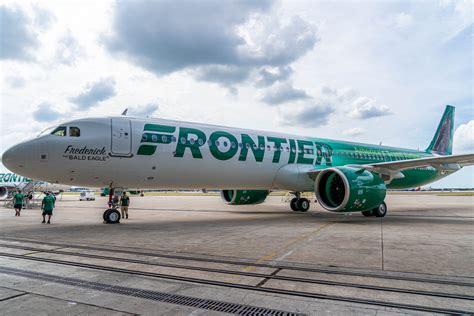
Frontier Airlines is preparing for a major transformation of its onboard experience by becoming the first U.S. ultra-low-cost carrier (ULCC) to introduce SpaceX Starlink WiFi across its fleet. The airline plans to begin installations in early 2027, marking a significant departure from its traditional low-cost strategy, which historically avoided inflight connectivity and other passenger amenities to maintain lower fares.
The decision places Frontier among a growing number of airlines adopting Starlink as the aviation industry increasingly moves toward faster, more reliable satellite internet. For years, budget carriers treated WiFi as an optional luxury, but changing passenger expectations have pushed even low-cost airlines to reconsider what travelers view as essential during a flight.
Frontier’s Starlink rollout is especially notable because the airline has never previously offered onboard WiFi, entertainment systems, or power outlets across much of its fleet. The introduction of high-speed connectivity represents one of the biggest upgrades in the carrier’s history and reflects its broader effort to attract customers willing to pay for additional comfort and convenience.
Frontier Airlines Uses Starlink to Modernize the Low-Cost Flying Experience
Frontier says Starlink connectivity will provide passengers with fast, gate-to-gate internet access capable of supporting activities such as video streaming, online work, browsing, and communication throughout the journey. Unlike older satellite systems that often suffer from slow speeds and inconsistent performance, Starlink’s low Earth orbit satellite network has gained attention for delivering broadband-like connectivity.
The technology will not only benefit passengers. Frontier also expects Starlink to improve airline operations by supporting pilots, flight attendants, maintenance teams, and ground personnel with more reliable communication tools. Better connectivity could help streamline operational processes, improve coordination, and potentially contribute to greater reliability.
Frontier CEO Jimmy Dempsey described the investment as part of the airline’s ongoing evolution. The carrier has recently introduced initiatives such as First Class seating and loyalty program enhancements, signaling a shift toward offering more premium options while continuing to compete on affordable fares.
The move highlights a changing philosophy among low-cost airlines. Instead of removing every possible service, carriers are increasingly focusing on providing a basic affordable ticket while allowing passengers to customize their experience through optional upgrades.
The Biggest Question: Will Frontier Charge Passengers for Starlink WiFi?
While Frontier has confirmed its Starlink partnership, one important detail remains unclear: whether passengers will have to pay for internet access. The airline has not announced pricing, availability tiers, or whether frequent flyers will receive complimentary access through the Frontier Miles loyalty program.
Traditionally, airlines introducing Starlink have chosen to provide free WiFi because the system’s speed and reliability create a strong customer satisfaction advantage. However, the business model may be changing as carriers explore new ways to generate additional revenue.
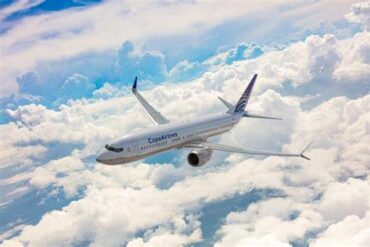
Recently, Copa Airlines became the first airline to announce that Starlink access would not be universally free, offering complimentary connectivity only to select passengers while charging others. If Frontier follows a similar approach, it could become the first U.S. airline to turn Starlink into a paid passenger benefit.
For an ultra-low-cost carrier, charging for premium internet would not be surprising. Airlines like Frontier rely heavily on ancillary revenue from services such as checked baggage, seat selection, priority boarding, and other optional upgrades. A paid WiFi model could fit naturally into that strategy.
Other Budget Airlines Are Watching Frontier’s Starlink Strategy Closely
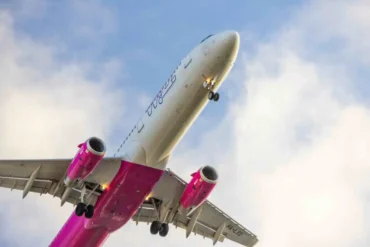
Frontier’s decision could influence how other low-cost carriers approach onboard connectivity. Indigo Partners, Frontier’s principal investor, has already committed to installing Starlink across more than 1,000 aircraft within its airline portfolio, including carriers such as Wizz Air, Volaris, and JetSMART.
This larger investment suggests that Starlink may become an important tool for budget airlines looking to improve customer satisfaction without fundamentally changing their low-cost business models. High-speed internet could become another feature passengers expect, similar to mobile boarding passes and digital loyalty programs.
Other U.S. ULCCs are also evaluating their options. Allegiant Air has previously acknowledged that it was exploring inflight WiFi as passenger demand for connectivity continues to rise. Although the airline has not selected a provider, Starlink’s rapid expansion makes it a likely contender.
However, some low-cost airlines remain cautious. Executives at European budget carriers such as Ryanair and easyJet have questioned whether the investment required for inflight connectivity can deliver enough financial returns. Their concerns reflect a larger debate over whether digital services should be included in ticket prices or treated as optional extras.
Starlink Could Redefine the Future of Low-Cost Airline Competition
Frontier’s Starlink adoption represents more than a simple technology upgrade. It reflects a broader shift in the airline industry, where passengers increasingly expect reliable connectivity regardless of whether they are flying on a premium airline or a budget carrier.
The success of Frontier’s rollout could determine whether other ULCC airlines accelerate their own WiFi plans or continue avoiding the expense. If travelers respond positively and view connectivity as a valuable upgrade, Starlink could become a key competitive advantage across the low-cost sector.
At the same time, Frontier’s pricing decision will be closely watched. Offering free WiFi could strengthen customer loyalty and improve brand perception, while charging for access could create a new revenue stream. Either choice could influence how airlines balance passenger expectations with the financial realities of operating a low-cost model.
As Starlink expands throughout commercial aviation, Frontier’s early commitment places the airline at the center of a major industry experiment. The carrier is testing whether advanced connectivity can coexist with ultra-low fares — and whether the future of budget travel will include staying connected from takeoff to landing.