Air Canada is undergoing a transformative shift across its entire North American operations, launching a sweeping, multi-year fleet renewal and cabin modernization program that aims to eliminate inconsistencies, boost comfort, and integrate technology-driven upgrades across all segments of its service. From economy flyers to premium-class travelers, every passenger will benefit from enhanced onboard experiences that reflect a renewed commitment to quality and brand alignment. This bold initiative will affect the mainline fleet, the Rouge leisure brand, and regional Air Canada Express operations—making it the airline’s most cohesive reinvention to date.
Mainline Modernization: A Unified, ‘Distinctly Canadian’ Standard
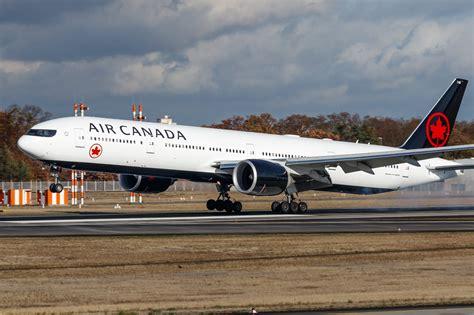
Air Canada’s mainline operations, the flagship face of the brand, are receiving a thorough update. A key focus is interior consistency, as older aircraft and transferred units from Rouge are standardized to what executives describe as a “distinctly Canadian” cabin design.
The Airbus A220, A320, and A321 aircraft are all being retrofitted to this new interior blueprint, with 15 Airbus A321s already in service featuring these enhancements. Another 19 A320 family aircraft—currently under Rouge—will be reassigned and upgraded to the mainline fleet.
Upgrades include:
- Ergonomically redesigned seats across Business and Economy classes for optimal comfort.
- Next-gen seatback entertainment systems with Bluetooth headphone pairing capability.
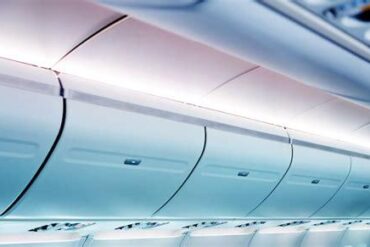
- Larger overhead bins to resolve one of the most frequent complaints: inadequate carry-on space.
The airline’s COO, Mark Nasr, emphasized that this evolution is about more than hardware—it’s about sentiment: “When customers step onto an Air Canada aircraft, they should instantly feel a sense of comfort, care, and pride.”
Future deliveries of the Airbus A220-300—26 aircraft still on order—will also arrive factory-fitted with this new standard starting in March 2026, underscoring Air Canada’s forward-looking alignment between current and incoming fleet assets.
Rouge Reborn: From Budget to Hybrid with the Boeing 737 MAX 8
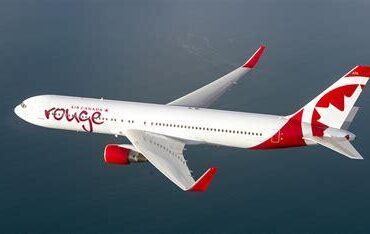
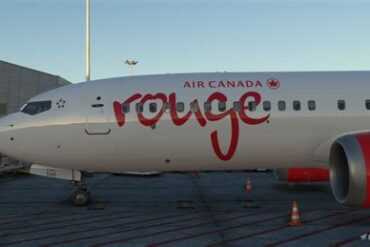
Once seen as a no-frills, budget option, Air Canada Rouge is undergoing a dramatic transformation. The subsidiary is transitioning into an exclusive Boeing 737 MAX 8 operation, signaling a strategic pivot away from ultra-low-cost operations to a hybrid leisure model blending affordability with upscale amenities.
By 2028, Rouge’s fleet will be composed of 52 Boeing 737 MAX 8 aircraft, each averaging just six years of age—an incredible leap forward in efficiency and passenger appeal. Compared to the aging fleet of Airbus narrowbodies currently in use (many over 20 years old), this change marks a foundational reset.
Rouge’s new MAX 8 cabin layout includes:
- 12 Business Class seats with elevated comfort and amenities.
- 18 Preferred Economy seats with extra legroom.
- 147 Economy seats, all with reclining features.
Perhaps most importantly, every seat now features a seatback entertainment system—a dramatic departure from Rouge’s long-standing “bring your own device” streaming policy. Add to that fast, free onboard Wi-Fi and power outlets at every seat, and the former budget carrier begins to feel far more premium.
To support expanded West Coast and transpacific leisure routes, Rouge is also opening a new crew base at Vancouver International Airport, enabling more operational flexibility for routes to Hawaii and the Caribbean.
Express Upgrade: Consistency Reaches the Regional Market
Air Canada Express, the brand operating short-haul and feeder flights, is not left behind. A comprehensive cabin refresh will begin in 2026 for its Embraer E175 and Bombardier CRJ-900 fleets. These aircraft—essential to connecting passengers from smaller markets to major hubs—will be redesigned to reflect the same visual and comfort language as the mainline interiors.
This means that a traveler flying from a regional airport to a major city and then onward with Air Canada will encounter seamless comfort and branding, regardless of aircraft size. These jets will feature:
- Updated seating and finishes aligned with mainline styling.
- Fast, free Wi-Fi across the fleet, with 55% already completed.
Meanwhile, De Havilland Dash 8-400 turboprops—critical for ultra-short hops like those to and from Billy Bishop Toronto City Centre Airport (YTZ)—are undergoing their own transformation. Air Canada made aviation history as the first airline globally to offer Wi-Fi on Dash 8s. Now, these aircraft are receiving new seats, refined interiors, and full connectivity, securing their role in the renewed network.
A Strategic, All-In Bet on Brand Cohesion and Passenger Loyalty
This ambitious fleet reboot represents more than cosmetic changes. It reflects Air Canada’s sharpened focus on passenger loyalty, brand cohesion, and cost-efficiency. Unifying seating, entertainment, and connectivity standards across brands minimizes confusion, boosts customer satisfaction, and reduces training and maintenance complexities.
By optimizing aircraft utilization across leisure and business markets, and leveraging fleet commonality (particularly with the 737 MAX 8 and A220 lines), Air Canada is laying the groundwork for sustained operational excellence while modernizing its image.
With these sweeping upgrades, Air Canada positions itself not only as a leader among North American carriers but also as a benchmark for consistency and innovation in aviation—from Rouge to Regional and everything in between.