British Airways is making headlines again—and not for reasons that will please frequent flyers. Effective January 7, 2026, the carrier is rolling out a controversial change to its Club Europe breakfast service, sparking discussions around cost-cutting, customer expectations, and the shifting definitions of premium air travel.
The End of a Hot Tradition in Club Europe
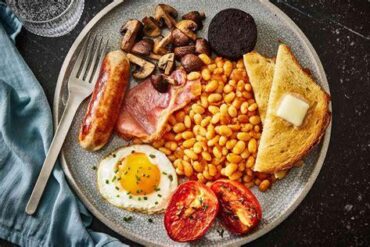
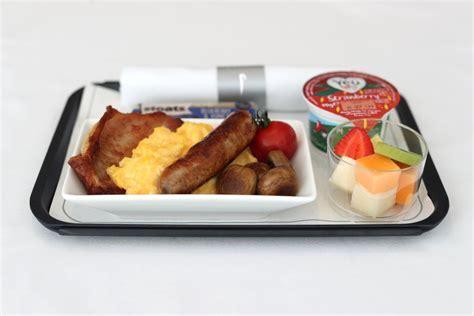
For decades, British Airways has stood out among its European rivals for offering a full hot English breakfast to its business class passengers, even on short-haul flights. Whether it was a piping hot plate of scrambled eggs with sausage and bacon or a vegetarian English option, the breakfast tray carried a sense of tradition, comfort, and value.
That tradition is now being scaled back. From early 2026, the airline will eliminate hot breakfasts on eight of its shortest intra-European routes, including service to and from:
- Amsterdam (AMS)
- Belfast (BHD)
- Brussels (BRU)
- Dublin (DUB)
- Jersey (JER)
- Manchester (MAN)
- Newcastle (NCL)
- Paris (CDG)
Instead of multiple hot meal options, passengers in Club Europe will receive a simplified cold meal: a plate of fresh fruit, yogurt, and a warmed pastry. While British Airways frames this change as a way to simplify service and allow cabin crew to spend more time with customers, frequent flyers are reading between the lines.
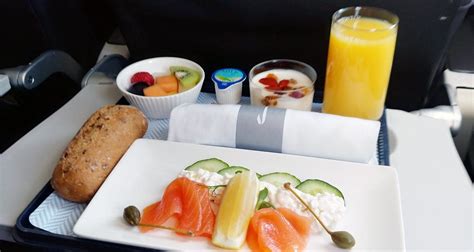
A Questionable Justification: “More Time in the Cabin”
According to British Airways, the move is being implemented to give crew members “more time in the cabin with customers.” On the surface, this may sound like an attempt to enhance the passenger experience. But many seasoned travelers are calling it what it likely is: a cost-cutting measure disguised as a service optimization.
Historically, British Airways’ crews have managed to deliver hot meals efficiently even on 45-60 minute flights—a feat not commonly seen on comparable European routes operated by Air France, KLM, Lufthansa, or SWISS. Those airlines tend to serve cold breakfasts or snacks on similarly timed flights, avoiding the complexity and cost of heating and plating full meals.
Removing the hot option arguably brings British Airways in line with regional peers, but also removes a point of differentiation. For an airline that has struggled with brand loyalty in recent years, this may be a step in the wrong direction.
Passengers’ Perceptions and Cultural Expectations
There’s another layer to this change: cultural expectations. British travelers hold a hot breakfast in high regard, viewing it as a staple rather than a luxury. Sausages, eggs, bacon, and beans are synonymous with the start of the day for many, especially in a premium travel setting. The replacement with fruit and yogurt could be seen as an underwhelming substitute.
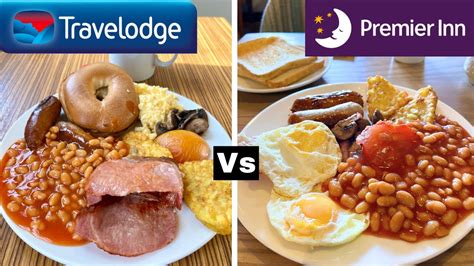
Even within the broader European context, this change raises eyebrows. While continental passengers may find a cold breakfast more typical, Club Europe is explicitly tailored toward British business and leisure travelers, who often equate hot meals with premium value.
Cost Savings vs. Premium Branding
British Airways has a track record of adjusting onboard service in ways that hint strongly at financial motivations. Not long ago, the airline attempted to extend brunch and supper hours on long-haul flights, a move many perceived as a veiled attempt to reduce catering costs. The backlash was swift, and the airline ultimately reversed the decision.
This latest change follows a similar pattern. Simplifying breakfast trays reduces the need for multiple food prep options, minimizes loading complexity, and likely cuts costs per passenger. But the broader implication is a diminished business class experience.
In a world where carriers are increasingly judged not just by price, but by consistency and comfort, cutting corners on food—even for a 60-minute hop—can be damaging.
Operational Practicality or Penny-Pinching?
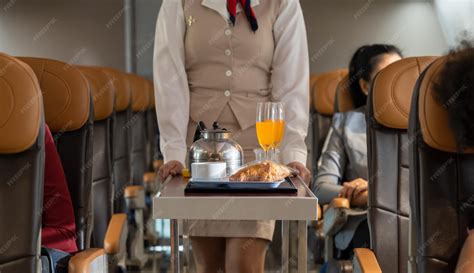
British Airways argues that serving hot food on very short flights adds strain to crew operations. On paper, that may be valid. Heating, plating, and distributing hot meals within 10–15 minutes of cruising altitude—followed by cleanup—requires tight choreography.
However, it’s worth noting that BA crews have historically performed this task with remarkable efficiency. Cutting hot food under the guise of “more time with passengers” sounds less like innovation and more like justification. And with high-density routes like London–Amsterdam and London–Paris—where margins are thin and competition high—the incentive to reduce costs is strong.
What This Means for the Club Europe Product
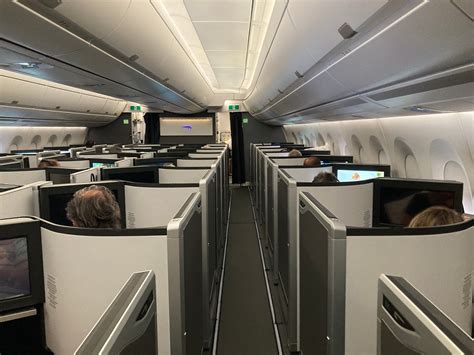
This change underscores a broader trend: the gradual erosion of premium service tiers in short-haul travel. Business class in Europe already looks markedly different from the long-haul experience—often just an economy seat with a blocked middle and better food. Now, even the food is being streamlined.
With hot meals disappearing from select Club Europe routes, the differentiation between economy and business narrows further. For many corporate travelers, the meal was one of the few tangible upgrades over the standard experience. Removing it risks downgrading the overall perception of value.
Reactions Across the Aviation Community
The reaction to the announcement has been mixed, but leans heavily toward disappointment. Frequent flyers have voiced their frustrations across social media and aviation forums, pointing out the lack of transparency and sincerity in BA’s justification.
Some customers appreciate the lighter offering, especially those with dietary restrictions or preferences that don’t align with a traditional English breakfast. Yet, this segment remains a minority, and most business travelers expected the choice between a hearty and light option.
Moreover, the lack of prior consultation or feedback loops from BA’s elite frequent flyers or Executive Club members signals a top-down decision-making process, with little regard for brand ambassadors and loyalists.
The Bigger Picture: A Trend of Shrinking Expectations
British Airways is not alone in redefining premium travel downward. Across the industry, carriers are pulling back from once-standard amenities—whether it’s free seat selection, checked baggage, or hot meals. The push toward leaner service is tied to rising operational costs, supply chain issues, and evolving traveler expectations in a post-pandemic world.
But while economy flyers may have come to terms with barebones service, the same cannot be said for business class travelers—particularly those flying frequently for work, paying premium fares, and expecting an elevated experience.
This change signals to passengers that British Airways is willing to compromise on legacy elements of quality if the economics dictate it.
Conclusion: A Taste of What’s to Come?
The removal of hot breakfasts on eight Club Europe routes is not just a menu change; it’s a symbolic shift in how British Airways defines value and service. It raises crucial questions about where the airline is heading in the competitive landscape of European premium travel.
For now, passengers on longer European routes will still enjoy the full English breakfast. But how long until similar cost-saving measures find their way there too? In an era where brand loyalty is fragile and choice is abundant, British Airways will need to tread carefully.
Cutting corners on comfort may balance the books in the short term, but it could also cost the airline far more in long-term goodwill and customer retention.