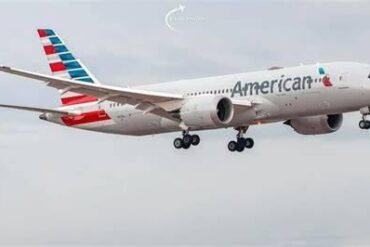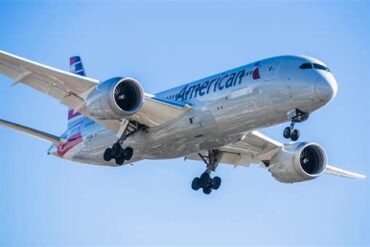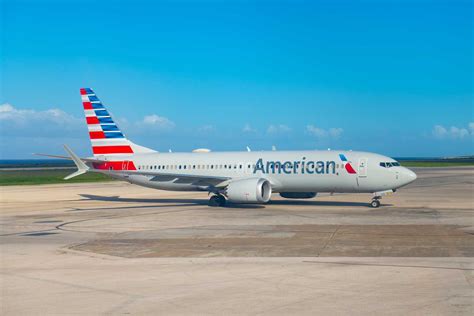
American Airlines is reshaping one of its most strategically important transcontinental routes for the 2026 summer travel season by exclusively deploying the Boeing 737 MAX 8 between Los Angeles International Airport (LAX) and Ronald Reagan Washington National Airport (DCA). The move replaces the larger Airbus A321neo on all flights for several months and immediately reduces total seat availability by approximately 13%.
The schedule adjustment highlights how airlines are increasingly prioritizing operational flexibility and fleet optimization over raw seat capacity, especially on premium-heavy domestic routes linking political and entertainment power centers. Beginning in June and lasting through October 4, American Airlines will operate two daily round-trip flights exclusively using the 737 MAX 8.
The route has historically seen a combination of Airbus A321neo and Boeing 737 MAX 8 aircraft. However, the airline is now temporarily standardizing operations around a single aircraft type during the peak Northern Hemisphere summer season.
American Airlines Reduces Capacity Between Los Angeles And Washington DC
The most immediate consequence of the fleet shift is a notable reduction in passenger capacity. American’s Airbus A321neo configuration accommodates approximately 196 passengers, while the airline’s Boeing 737 MAX 8 seats around 172 passengers in a two-class layout.
That difference may appear modest on paper, but across multiple daily flights and an entire summer season, the impact becomes substantial. According to aviation analytics firm Cirium, the route will decline from roughly 12,000 monthly seats to around 10,500 seats per month once the MAX 8 becomes the exclusive aircraft.
On a weekly basis, available seating drops from approximately 1,370 seats to 1,204 seats. Daily availability also falls sharply, decreasing from 392 seats per direction to just 344 seats each day.
For a heavily traveled corridor connecting Southern California with the US capital region, that reduction could tighten inventory significantly during high-demand travel periods, especially among business travelers, government contractors, entertainment executives, and premium leisure passengers.
Boeing 737 MAX 8 Takes Over The Entire Route
American Airlines first introduced the 737 MAX 8 onto the route earlier in the year on selected frequencies while maintaining Airbus A321neo operations. By June, however, the MAX 8 becomes the sole aircraft serving all flights between LAX and DCA.
Flight schedules show the airline maintaining a consistent twice-daily frequency throughout June, July, August, and September. Despite the smaller aircraft, American appears committed to preserving schedule reliability rather than reducing frequency entirely.
Monthly operational data reveals a relatively stable pattern:
- June: 10,320 seats across 60 flights
- July: 10,320 seats across 60 flights
- August: 10,664 seats across 62 flights
- September: 10,320 seats across 60 flights
The transition is not permanent. Beginning October 5, the Airbus A321neo returns as the exclusive aircraft on the route, restoring higher seating capacity immediately. October schedules indicate approximately 11,760 available seats over 60 flights in each direction after the A321neo resumes operations.
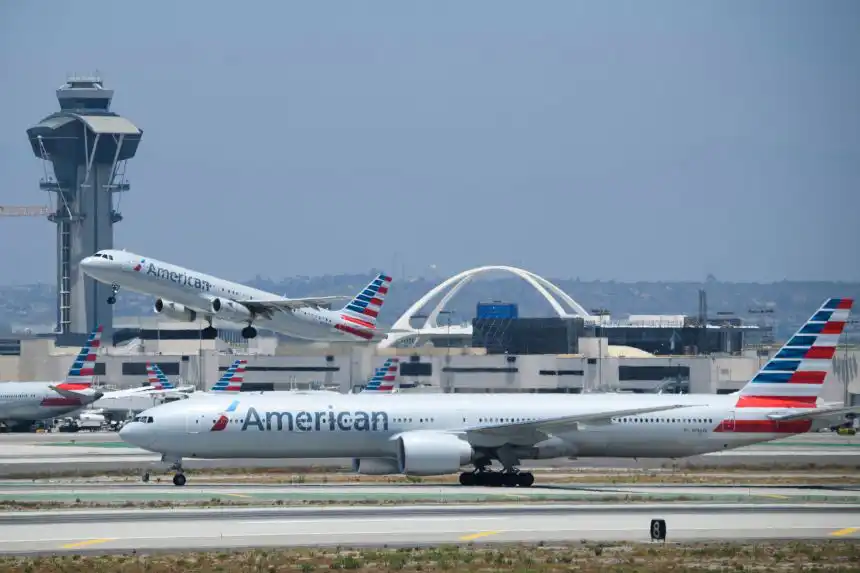
Why American Airlines May Prefer The MAX 8 This Summer
Although the Airbus A321neo offers superior capacity, the Boeing 737 MAX 8 provides advantages that may better align with American Airlines’ summer operational strategy.
Fleet commonality remains a major factor. Standardizing the route around one aircraft simplifies crew scheduling, maintenance planning, spare aircraft allocation, and operational recovery during disruptions. During the busy summer season, those efficiencies can become extremely valuable.
Fuel economics may also play a role. The MAX 8 delivers strong fuel efficiency on transcontinental missions and allows American to redeploy larger A321neo aircraft elsewhere in the network where demand may justify higher seating density.
Another likely factor involves premium cabin demand balancing. While the route remains important for corporate and government traffic, airlines continue recalibrating post-pandemic business travel trends. A smaller aircraft can help maintain healthier load factors while preserving pricing power.
The strategy also reflects a broader industry trend in which airlines increasingly optimize profitability per flight rather than simply maximizing available seats.
Washington National’s Perimeter Rules Add Strategic Value
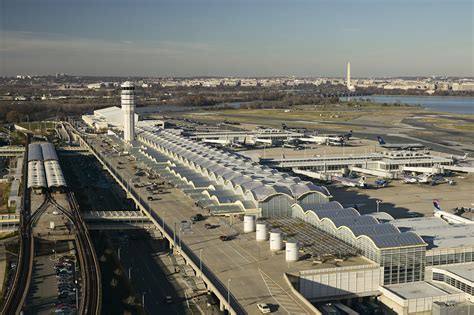
The LAX-DCA route carries unique significance because Ronald Reagan Washington National Airport operates under strict federal perimeter restrictions. Most flights exceeding 1,250 miles are prohibited unless granted special exemptions.
Los Angeles is one of the select long-haul markets permitted beyond-perimeter access, making these flight slots exceptionally valuable.
Currently, the route supports only four daily round-trip exemptions:
- American Airlines: two daily round-trips
- Alaska Airlines: one daily round-trip
- Delta Air Lines: one daily round-trip
Because these exemptions are limited and highly competitive, airlines carefully manage aircraft deployment to maximize revenue potential.
Alaska Airlines currently operates its flights using the Boeing 737 MAX 8, while Delta Air Lines serves the route with the larger Boeing 757-200. Meanwhile, travelers seeking alternative Washington-area access from Los Angeles can also fly nonstop to Washington Dulles International Airport aboard United Airlines or to Baltimore/Washington International Airport with Southwest Airlines.
Premium Transcontinental Competition Remains Intense
Even with fewer seats, American Airlines continues defending a critical position in the competitive premium transcontinental market. The airline maintains strong corporate relationships in both Los Angeles and Washington DC, and DCA’s proximity to downtown Washington remains a major advantage over competing airports.
For travelers, the aircraft change may slightly alter the onboard experience. The Airbus A321neo generally offers a roomier cabin and larger overall capacity, while the Boeing 737 MAX 8 emphasizes efficiency and operational consistency. Still, American’s MAX 8 fleet includes modern interiors, upgraded seating, and enhanced fuel performance that align with the carrier’s evolving domestic strategy.
The temporary fleet adjustment underscores how even subtle aircraft decisions can dramatically affect network economics, competitive positioning, and passenger availability on some of America’s most important domestic air corridors.