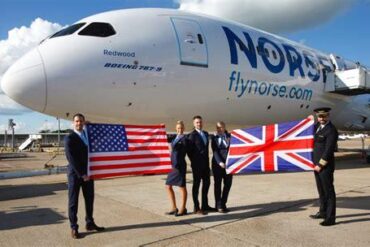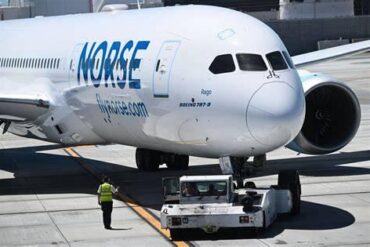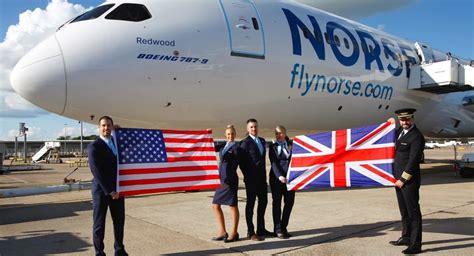
The summer of 2026 marks a decisive strategic pivot for Norse Atlantic Airways, as the carrier sharply reduces its footprint in the United States. According to aviation analytics firm Cirium, Norse has cut almost 39% of its U.S. flights compared with last summer, with total U.S. capacity down by roughly 44% year over year. In a market defined by relentless competition, volatile yields, and unforgiving cost structures, the move reflects a sober reassessment of where long-haul low-cost flying can realistically survive.
The transatlantic corridor remains one of the most saturated aviation markets in the world. More than 186,000 flights between Europe and the United States are scheduled this year alone, with over 57,000 flights planned during the July–September peak. Against this backdrop, even marginal miscalculations in demand or pricing can quickly turn profitable routes into financial sinkholes. For Norse Atlantic, the summer season—normally the most lucrative period for transatlantic operators—has increasingly exposed the fragility of the low-cost long-haul model.
By summer 2026, Norse’s U.S. network has been pared down to just seven routes, a stark contrast to the broader ambitions it held only a year earlier. Several transatlantic services have quietly disappeared from the schedule, including Paris Charles de Gaulle–New York JFK, London Gatwick–Miami, Berlin–New York JFK, and Oslo–New York JFK. Most notably, the airline has also exited its longest route, Athens–Los Angeles, which launched as recently as June 2025. These decisions were not driven by empty cabins alone; in fact, some routes posted respectable load factors at various points. The problem lay deeper, in revenue quality and seasonal sustainability.
A Leaner U.S. Network Built Around Core Demand
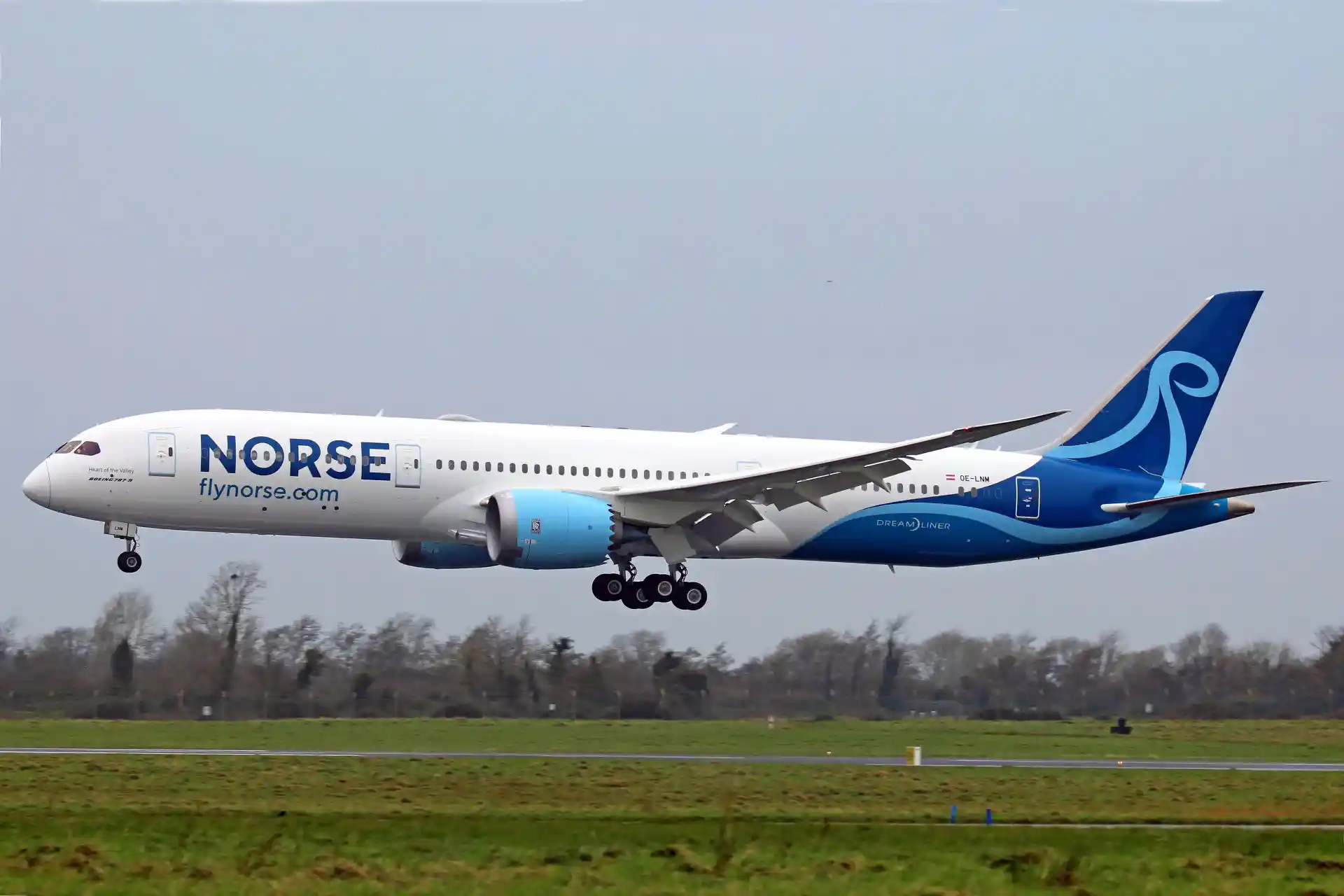
For the upcoming summer, Norse Atlantic’s U.S. operation centers on a small set of high-profile city pairs. Daily flights from Rome Fiumicino to New York JFK, London Gatwick to New York JFK, and London Gatwick to Orlando form the backbone of the network. Additional services include near-daily links such as Athens–New York JFK and London Gatwick–Los Angeles, alongside reduced-frequency routes from Paris Charles de Gaulle and Rome Fiumicino to Los Angeles.
The pattern is revealing. Norse is concentrating on routes with strong leisure appeal, recognizable brand demand, and operational simplicity. However, even these markets have seen frequency cuts. Paris–Los Angeles, for example, has dropped from six weekly flights last summer to just four, while Rome–Los Angeles has been reduced to two weekly services. Such trimming underscores how thin margins remain, even on routes that appear attractive on paper.
Why the Low-Cost Long-Haul Model Keeps Struggling
The challenges facing Norse Atlantic are not unique. Its predecessor, Norwegian Long Haul, famously struggled to make the economics work, despite strong consumer interest and innovative pricing. Long-haul low-cost airlines face a structural dilemma: fuel costs, aircraft ownership expenses, and crew requirements do not scale down easily, while ticket prices are constantly pressured by legacy carriers with deeper networks and loyalty ecosystems.
Summer demand, paradoxically, has become part of the problem. While volumes rise, so does competition, with legacy airlines flooding the market with capacity to defend market share. The result is intense fare pressure precisely when airlines need strong yields to offset weaker winter performance. For Norse, maintaining high load factors during peak months proved insufficient when average fares failed to cover escalating costs.
ACMI Leasing Emerges as a Financial Lifeline
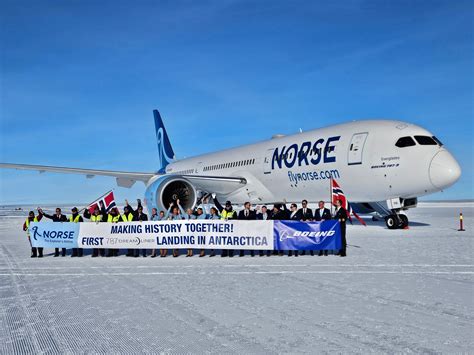
Faced with these realities, Norse Atlantic has increasingly turned toward ACMI operations—providing aircraft, crew, maintenance, and insurance to other airlines. This strategy offers a fundamentally different revenue profile, one that is far less exposed to passenger demand swings and seasonal volatility. Instead of gambling on ticket sales, Norse earns stable lease income, often under multi-month or multi-year contracts.
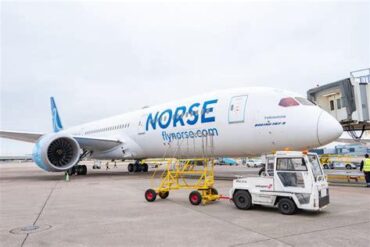
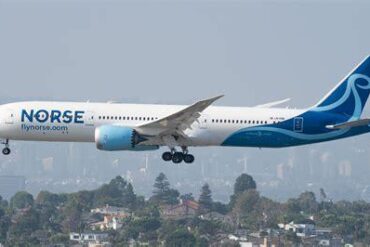
The airline currently operates a fleet of around 12 Boeing 787-9 Dreamliners, and a significant portion of that fleet is already committed to ACMI work. IndiGo, India’s largest airline, has agreed to lease six of Norse’s 787s to support its long-haul expansion, particularly into the London market. This single deal effectively absorbs half of Norse’s widebody fleet, highlighting how central leasing has become to its business model.
The transition has been eased by fleet simplification. Norse recently returned three Boeing 787-8s that had been subleased, allowing it to focus on the more capable and efficient 787-9 variant. This streamlining supports both ACMI reliability and reduced operating complexity.
Pivoting Toward Asia as U.S. Exposure Shrinks
As its U.S. presence contracts, Norse Atlantic has redirected attention toward long-haul leisure markets in Asia, with Thailand emerging as a centerpiece of its revised strategy. Demand for travel to Bangkok and Phuket has remained resilient, supported by tourism recovery and strong outbound interest from Europe.
Over the past year, Norse launched five new nonstop routes to Thailand, linking the United Kingdom, Sweden, and Norway with Bangkok and Phuket. From London Gatwick, the airline now operates between three and five weekly flights to Bangkok, complemented by a weekly Manchester–Bangkok service scheduled through the winter season. Additional routes include Stockholm–Bangkok, Stockholm–Phuket, and Oslo–Phuket, reinforcing a clear pivot toward leisure-heavy, long-stay destinations.
A Strategic Retrenchment, Not a Retreat
The 39% reduction in U.S. summer flights signals restraint rather than retreat. Norse Atlantic is recalibrating, shedding exposure where economics no longer justify the risk while doubling down on revenue streams that offer predictability. In a transatlantic market overflowing with capacity and razor-thin margins, discipline has become a survival skill. By combining a smaller, more focused route network with an expanding ACMI portfolio, Norse is betting that flexibility—not scale—will define the next chapter of long-haul aviation.