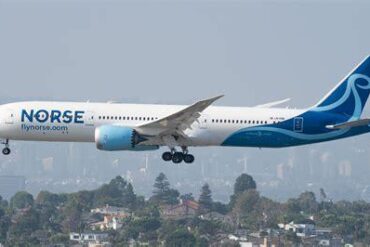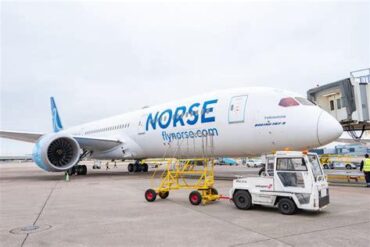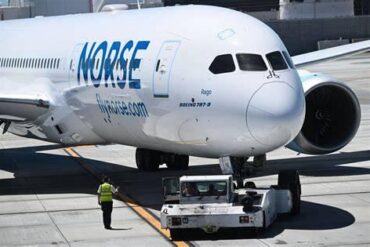
Norse Atlantic Airways is executing one of the most dramatic network reductions seen among transatlantic low-cost carriers in recent years, slashing its U.S. operations by 60% compared to last summer. The move underscores the persistent difficulty of sustaining long-haul budget travel, where thin margins collide with volatile fuel prices and highly price-sensitive passengers.
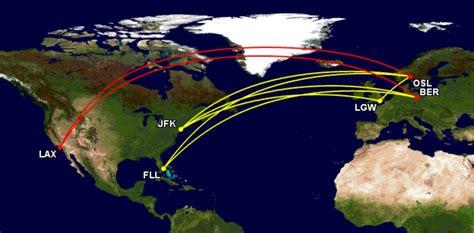
At the center of this restructuring is a decisive withdrawal from Los Angeles, once a cornerstone of Norse Atlantic’s transatlantic ambitions. The airline had planned an aggressive summer schedule linking London Gatwick, Paris Charles de Gaulle, and Rome Fiumicino to Southern California, with up to 12 weekly departures. That entire plan has now vanished from booking systems, signaling a full retreat rather than a temporary adjustment.
The decision reflects a broader recalibration of strategy rather than a single-route failure. While Los Angeles may appear as the headline casualty, the deeper story lies in how fragile the economics of ultra-long-haul low-cost flying remain—even when passenger demand appears strong on paper.
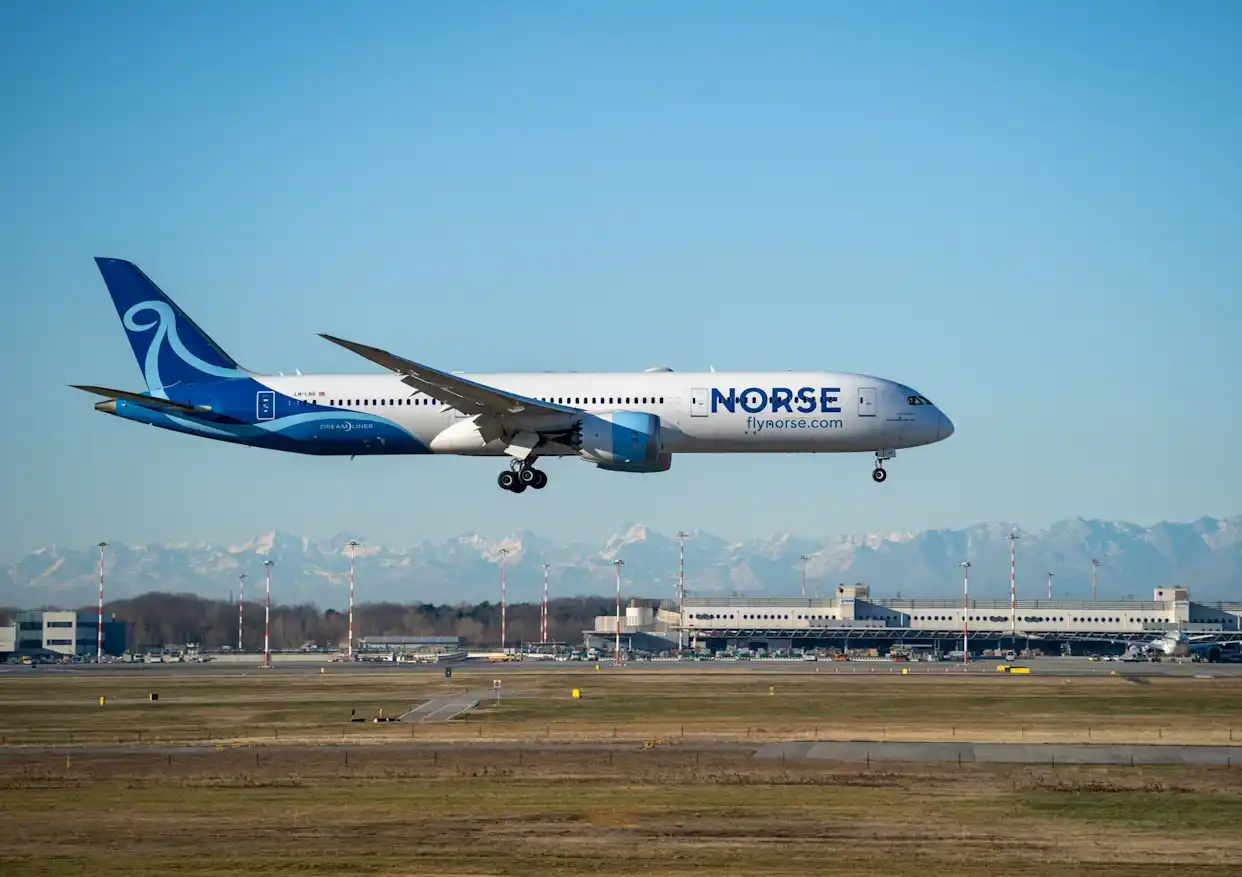
Why Norse Atlantic Abandoned Los Angeles Routes
Fuel economics sit at the heart of this decision. Operating flights lasting 11 to nearly 13 hours places enormous pressure on cost structures, especially for airlines built around low fares. Norse Atlantic openly attributes the cancellation to rising jet fuel prices, a factor that disproportionately impacts long-haul routes where fuel represents a dominant share of operating expenses.
Yet fuel alone doesn’t tell the whole story. Despite reporting a relatively healthy 89% load factor on Los Angeles flights, profitability remained elusive. This reveals a critical nuance: filling seats does not guarantee financial success. If those seats are sold at deeply discounted prices—as is often necessary in the low-cost model—the revenue generated may fail to offset operating costs.
Passenger behavior compounds the challenge. Norse targets budget-conscious travelers who are highly responsive to price changes. Even modest fare increases risk pushing customers toward legacy carriers offering better schedules, loyalty benefits, or bundled services. In such a competitive environment, pricing power is severely limited, leaving airlines exposed when costs rise.
There are also indications that broader travel sentiment toward the United States may be shifting, subtly affecting demand patterns. Combined with route-specific performance issues, these factors likely accelerated the decision to exit Los Angeles entirely.
A Summer Network Reduced to Four Core U.S. Routes
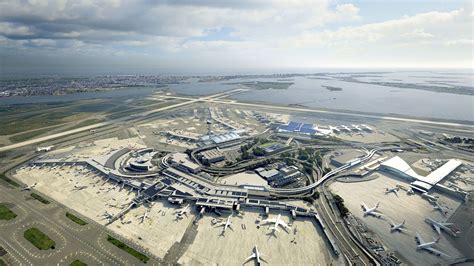
With Los Angeles removed, Norse Atlantic’s U.S. network for summer 2026 has narrowed to just four routes, marking a stark contrast to its earlier expansion phase. The airline will focus primarily on New York JFK, supplemented by a single leisure-oriented route to Orlando.
The remaining schedule includes:
- Athens to New York JFK (six weekly flights)
- London Gatwick to New York JFK (daily)
- Rome to New York JFK (daily)
- London Gatwick to Orlando (daily)
This streamlined network represents a shift toward high-demand, high-density routes where consistent traffic can better support operational costs. New York, in particular, serves as a resilient anchor due to its year-round demand across both leisure and business segments.
In numerical terms, the reduction is striking. Norse had planned 484 transatlantic departures for peak summer 2026 before adjustments. In 2025, that figure stood at 840 departures, serving a broader mix of destinations including Miami and Los Angeles. Even before the latest cuts, capacity was already down significantly; the removal of Los Angeles pushed the decline to a full 60% year-over-year contraction.
A Pattern of Route Failures Across the U.S.
Norse Atlantic’s evolving network tells a story of experimentation followed by rapid consolidation. Since launching transatlantic operations in 2022, the airline has served nine U.S. airports, but it has now withdrawn from seven of them.
The list of discontinued destinations includes Boston, Fort Lauderdale, Las Vegas, Los Angeles, Miami, San Francisco, and Washington Dulles. Some routes were short-lived, with Boston seeing only 30 flights and a load factor of just 67%, highlighting weak demand or ineffective pricing strategies.
This pattern mirrors the trajectory of Norwegian Air Shuttle, the airline often seen as Norse’s predecessor in the low-cost long-haul space. Norwegian similarly expanded aggressively into the U.S. market before retreating under financial pressure. Norse’s gradual withdrawal from cities like Fort Lauderdale and Miami suggests a conscious effort to avoid repeating those mistakes—though not without incurring its own setbacks.
What This Means for the Future of Low-Cost Long-Haul
The latest cuts reinforce a hard truth: long-haul low-cost flying remains structurally fragile. Unlike short-haul operations, where quick turnarounds and high aircraft utilization drive profitability, long-haul routes involve extended flight times, complex logistics, and limited flexibility.
Norse Atlantic’s retreat does not signal the end of its ambitions but rather a strategic narrowing of focus. By concentrating on fewer routes with stronger demand, the airline aims to stabilize operations and improve financial performance. However, the scale of the reduction raises questions about whether the original vision of a broad transatlantic low-cost network is sustainable in today’s cost environment.
For travelers, the immediate impact is reduced choice—especially for those seeking budget-friendly flights to secondary U.S. cities. For the industry, Norse’s decision serves as another case study in the delicate balance between affordability and viability in long-haul aviation.
The coming months will be critical. If the remaining routes perform well during the lucrative summer season, Norse may yet carve out a sustainable niche. If not, further adjustments could follow, continuing the cycle of ambition and recalibration that has long defined this segment of the airline industry.