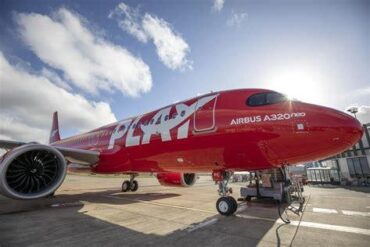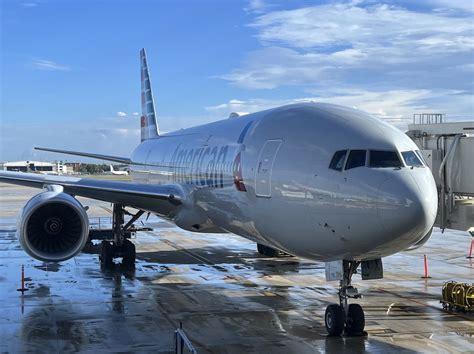
Iceland’s low-cost carrier PLAY Airlines is making headlines across the aviation industry with a decisive exit from the United States, bringing an abrupt end to its ambitious transatlantic operations. In a move that underscores broader shifts in global aviation economics, PLAY is permanently grounding all its American flights by October 2025, including its final departure from Baltimore—ironically the same city where its U.S. expansion first took flight in April 2022.
This bold retreat is not a retreat from growth, but rather a strategic redirection toward more sustainable markets. With the U.S. and Kosovo now symbolizing a critical pivot point, PLAY is embracing new opportunities in Southern Europe and under its Maltese air operator certificate (AOC)—a transformation that could redefine its financial future and operational footprint.
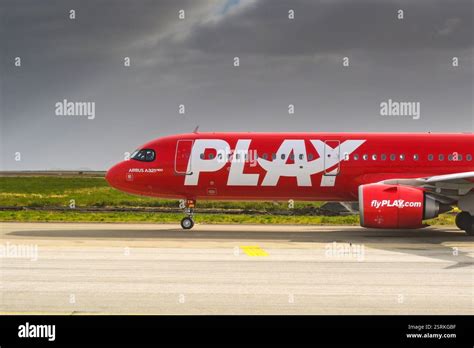
PLAY Airlines’ Collapse in North America: From High Hopes to Harsh Reality
The North American market was once the heart of PLAY’s global strategy. By linking smaller European cities through Keflavik International Airport, the airline aimed to carve out a profitable niche in the crowded low-cost, long-haul segment. But that ambition crumbled under the weight of seasonal demand, intensified competition, and soaring costs. Even with an average seat occupancy of 88%—4% above market average—the economics never made sense.
By October 2025, PLAY will have shuttered its last three U.S. routes. This includes:
- Baltimore (BWI) – Final departure on October 24, 2025
- Boston (BOS) – Phased out due to unsustainable yields
- New York Stewart (SWF) – Once the airport’s sole international link, now canceled
The decision follows earlier rollbacks, such as the December 2024 halt of flights to Washington Dulles and the April 2025 suspension of service to Hamilton, Ontario. Each exit marked a gradual realization that North American ambitions were bleeding money, not building PLAY’s brand.
Why the U.S. Market No Longer Works for PLAY
At its core, PLAY’s withdrawal illustrates a larger industry truth: high occupancy doesn’t equal high profits. The airline’s robust load factors couldn’t mask problems like:
- Extreme seasonality: Demand spikes in summer and plummets in winter
- Overcapacity: Too many low-cost carriers fighting over the same routes
- Ticket yield erosion: Discounts and deals drained margins
- Operational inefficiencies: Transatlantic routes using large aircraft with high burn rates
Even at New York Stewart International Airport, where PLAY had no international rivals, its presence couldn’t survive winter lulls. Stewart now faces a return to domestic-only service, reversing a brief renaissance sparked by PLAY’s launch in June 2022.
Kosovo and Southern Europe: The New Frontiers
As the U.S. chapter closes, a new one opens in Southern Europe, with Kosovo positioned as a symbol of PLAY’s rebirth. Through its Maltese AOC, PLAY now has the regulatory flexibility to launch routes beyond Iceland—an advantage that opens doors to:
- Emerging leisure markets in the Balkans
- Stable, short-haul routes across Europe
- Aircraft leasing and ACMI services (Aircraft, Crew, Maintenance, Insurance)
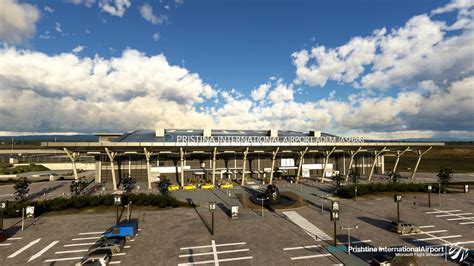
Kosovo, particularly Pristina International Airport, represents an intriguing new hub. With the country seeing rising diaspora-driven travel and less saturated airspace, PLAY’s potential entry could diversify its revenue stream while minimizing seasonal disruptions.
Operational Shifts and Fleet Realignment
PLAY’s pivot isn’t just geographic—it’s structural. To cut costs, the airline is transitioning away from its larger Airbus A321neo aircraft in favor of the smaller, more fuel-efficient A320neo, ideal for intra-European hops. This fleet downsizing reflects:
- Lower per-flight operational costs
- Greater flexibility in route planning
- Reduced break-even thresholds per flight
In parallel, PLAY has slashed flight frequencies to reduce idle aircraft time and is now exploring wet lease agreements under its Maltese license. The goal: maximize aircraft utilization and stabilize cash flow.
The Numbers Tell the Story
In the 12 months ending February 2025, four airlines—Delta, Icelandair, PLAY, and United—served the Keflavik–USA corridor, transporting 2.1 million passengers collectively. Yet, passenger volume alone couldn’t salvage PLAY’s financial position. Some specific route data include:
- Boston: 351,000 passengers; 81% load factor
- New York (JFK + EWR): 353,000 passengers
- Greater Washington (BWI + IAD): 377,000 passengers
These are healthy figures on paper, but intense fare wars meant that PLAY couldn’t charge enough to offset the costs of long-haul transatlantic service.
Implications for U.S. Airports and Regional Economies
The impact of PLAY’s exit is especially felt at secondary U.S. airports, which relied on the airline to provide international connectivity. New York Stewart, Baltimore-Washington, and Boston Logan each lose a key budget carrier at a time when airport operators are striving to diversify airline partnerships.
For Stewart, the loss is especially acute. PLAY was the only European airline operating from the airport, and its departure will likely lead to a sharp drop in international traffic, affecting local businesses, airport staffing, and tourism revenues.
Meanwhile, Icelandair and United may benefit from reduced competition on shared routes. However, this also means fewer choices for price-sensitive travelers seeking transatlantic deals.
Kosovo’s Strategic Appeal in Europe’s Aviation Landscape
Kosovo is emerging as an aviation wildcard with the potential to anchor PLAY’s future network. The region’s under-tapped market, growing tourism sector, and limited low-cost competition make it fertile ground for expansion. Supported by its Maltese AOC, PLAY can bypass traditional Iceland-centric routes and begin building new city pairs from bases like Pristina.
This strategic geography offers access to:
- Albanian, Swiss, and German diaspora traffic
- Cheaper airport handling and turnaround costs
- Year-round travel demand, especially for VFR (visiting friends and relatives)
PLAY’s interest in Kosovo reflects a broader European realignment away from overserved Western markets and toward nimble, point-to-point models in Central and Southern Europe.
A Broader Commentary on Low-Cost Transatlantic Viability
PLAY’s retreat underscores the harsh realities confronting low-cost, long-haul aviation. Even as other players like Norse Atlantic and French Bee attempt to make the model work, PLAY’s exit raises questions:
- Can low fares ever coexist with profitability on long-haul flights?
- Is Iceland’s hub model inherently too seasonal?
- Are secondary airports viable without consistent international partners?
The answers remain complex, but one thing is clear: scalability, diversification, and flexibility are essential in the post-COVID airline economy.
Conclusion: From Retreat to Reinvention
By exiting the U.S. and eyeing expansion in Kosovo and Southern Europe, PLAY Airlines is not admitting defeat—it is executing a strategic reinvention. The airline is shedding unprofitable routes, recalibrating its aircraft usage, and seeking a model that offers predictable revenue, geographic flexibility, and sustainable margins.
While the departure from the United States may close a chapter in PLAY’s history, it also opens the door to a leaner, more profitable future, with new destinations, improved cost controls, and a business model that no longer tries to out-muscle transatlantic giants, but rather outmaneuvers them.