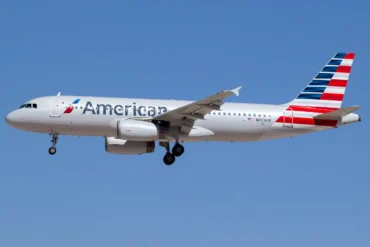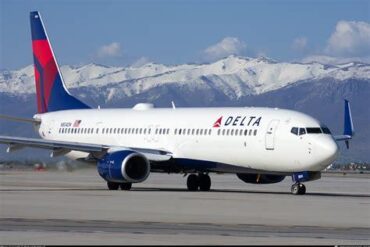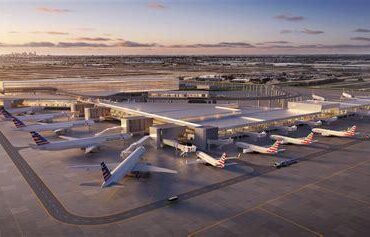
The US airline industry is confronting yet another high-stakes reckoning, and this time, American Airlines is at the epicenter. On Friday, June 28, 2025, a major technology meltdown brought operations at American Airlines to a near standstill, contributing to over 500 flight delays and exposing systemic fragilities in aviation’s digital infrastructure. This alarming event places American among a growing list of global carriers—including Delta, United, Ryanair, British Airways, and Air Canada—grappling with technology failures that are now redefining the boundaries of modern air travel.
A Mounting Crisis in the Skies
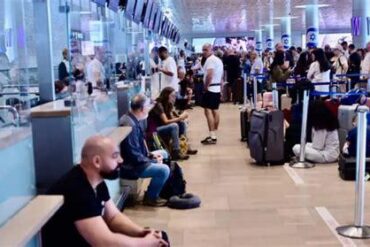
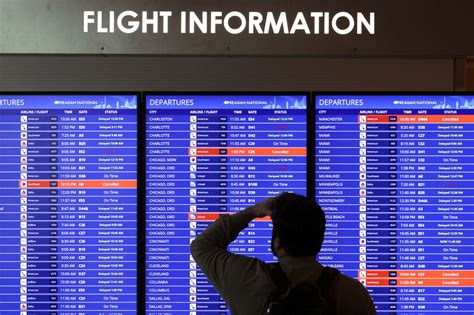
The unfolding chaos was most visible at Charlotte Douglas International Airport, one of American Airlines’ largest hubs. By 4 p.m. ET, over 515 flights had been delayed, as reported by FlightAware, with passengers stranded in terminals, stuck on idle aircraft, or simply watching their vacation plans collapse. American Airlines initially downplayed the event, stating there were no cancellations. But FlightAware data and on-the-ground reports painted a far grimmer reality, with delays stacking up and travelers expressing growing frustration.
What was once a routine summer getaway has morphed into an airport nightmare, fueled not by weather or security threats, but by the airline’s inability to maintain its digital core.
The Nature of the Breakdown: Still a Mystery
Despite growing public demand for clarity, American Airlines has not disclosed the exact nature of the system failure. Whether it was a software bug, connectivity loss, or a cybersecurity breach, the ripple effects were undeniable. From check-in kiosks grinding to a halt to baggage handling delays and boarding gate disruptions, passengers and staff alike were left scrambling.
Travelers found themselves stuck in an information void, refreshing apps that refused to load updates while customer service lines stretched out of sight. Business travelers missed key meetings, family vacations were put on hold, and the airline’s reputation took yet another blow.
A Crisis Echoing Worldwide
American Airlines’ ordeal is far from isolated. In fact, the incident aligns with a global trend of IT failures destabilizing commercial aviation.
- Delta Air Lines experienced meltdown-induced crew schedule collapses earlier this year.
- United Airlines was forced to reroute multiple flights during its March outage.
- Ryanair battled internal network failures impacting booking and gate services.
- British Airways faced terminal-level disruptions in Heathrow, stalling thousands.
- Air Canada and Sunwing fought multi-month system instability at Montréal–Trudeau Airport, impacting passenger processing since spring.
In February 2025, even the FAA’s NOTAM system went down, grounding flights across the US. Then came the massive CrowdStrike-linked global IT outage in mid-2024, which created aftershocks into 2025 for nearly a dozen major carriers. Each of these events has added to a growing anxiety among travelers—and investors—regarding the fragile underpinnings of airline technology.
Charlotte at the Eye of the Storm
Charlotte Douglas International Airport bore the brunt of the Friday chaos. As a key domestic and international gateway for American Airlines, any disruption there inevitably ripples across the entire network.
Each delayed flight in Charlotte impacted subsequent aircraft rotations, crew scheduling, and connecting passenger itineraries in Chicago, Dallas, Miami, and New York. The timing, on the cusp of July 4th holiday travel, couldn’t have been worse.
Vacationers were seen attempting to salvage their plans by rerouting flights at their own expense. Families with children were trapped in terminals with limited food options. Gate agents struggled to maintain composure amid a tidal wave of passenger complaints. The human toll became as visible as the blinking red screens.
Technology: Backbone or Breaking Point?
Airlines have long leaned into the promise of digital transformation—but the American Airlines outage highlights just how brittle those transformations can be. As legacy systems are patched with new software layers, the potential for integration failure, security breaches, or simple overload grows exponentially.
In Friday’s case, even electronic maintenance systems reportedly went offline, leaving aircraft grounded while critical data could not be uploaded. This affected not only scheduled flights but also contingency operations, further hampering efforts to regain control.
Technology, once heralded as aviation’s savior, has instead emerged as its Achilles’ heel—a single point of failure with catastrophic consequences.
Passengers Demand Transparency, Airlines Offer Silence
Passengers caught in the disaster expressed anger not just at the delays, but at the lack of information. Repeated attempts to get real-time updates were met with silence or vague assurances. Some learned about the tech failure from Twitter or fellow passengers rather than airline officials.
Despite repeated calls for greater accountability, American Airlines has yet to provide a detailed post-mortem. Instead, it offered a blanket apology and generic assurance that systems were “restoring.”
No Cancellations? The Numbers Tell a Different Story
While American Airlines claimed no flight cancellations directly tied to the IT issue, FlightAware logged 39 cancellations at Charlotte alone by Friday evening. Additionally, PSA Airlines, a regional subsidiary, reported:
- 27% of its flights delayed
- 11% of flights canceled
These figures expose the gap between corporate spin and operational reality. Even partial systems outages create cascading effects that can result in missed connections, out-of-position crews, and unserviceable aircraft.
A Fragile Future for Summer Travel
This tech breakdown is more than just a blip; it could be a harbinger of worse to come. The summer travel season is hitting its peak, with record passenger numbers and limited spare capacity. Any hiccup in operations quickly becomes a choke point.
Moreover, the aviation industry’s continued dependence on outdated systems—many built on COBOL and legacy UNIX infrastructures—poses an existential risk. The slow modernization pace, coupled with increased cybersecurity threats, has created a perfect storm of digital instability.
Industry Experts Sound the Alarm
Aviation analysts are sounding off:
“This is not a fluke. It’s a systemic issue that threatens the reliability of global travel,” says Dr. Marcus Allen, professor of aeronautical systems at Georgia Tech.
“Airlines need to rethink their IT architecture from the ground up. Throwing patches at aging systems isn’t sustainable,” notes Sandra Ruiz, a technology consultant for global aviation clients.
Investors are also paying attention. Airline stocks dipped on the heels of Friday’s events, and questions are swirling about whether carriers are investing enough in operational resilience.
American Airlines Begins Restoration—But Trust Remains Grounded
By late Friday, American Airlines confirmed that critical systems were coming back online. Operations resumed slowly, and aircraft began moving again from key hubs like Dallas-Fort Worth, Chicago O’Hare, and Miami International.
Still, residual delays continued into the weekend, and the full extent of the operational damage may not be known for days. Internal teams are reportedly conducting diagnostics to assess what went wrong, while passengers remain skeptical about future reliability.
Conclusion: A Clear Warning to the Aviation Industry
American Airlines’ technology meltdown is a stark reminder that airlines are only as strong as their IT systems. The incident has reawakened concerns about infrastructure fragility, passenger vulnerability, and corporate transparency.
With more than 500 delays, millions of dollars in disrupted schedules, and immeasurable frustration across terminals, the question now is not whether another meltdown will happen—but when.
For travelers looking to the skies this summer, hope must now share space with caution. Because the biggest threat to your flight may not be the weather. It might be a blinking cursor in a server room.
Stay tuned. Because, as we’ve now learned, what’s new in airline travel might just be the next digital domino.