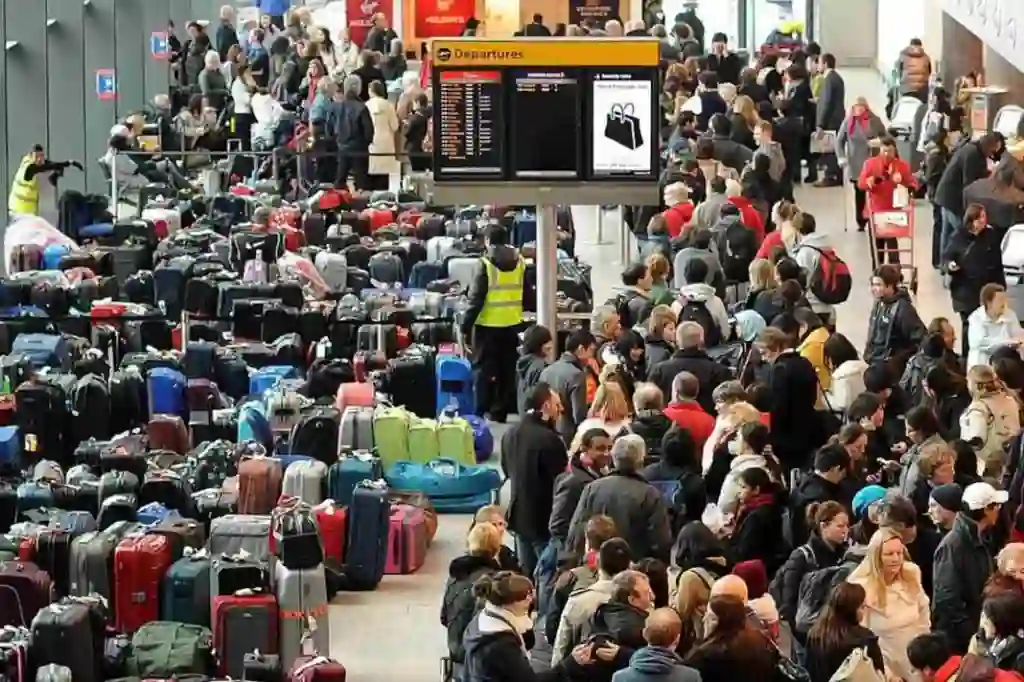
The European aviation industry is navigating one of its most turbulent summers in recent memory. With air travel demand surging back to pre-pandemic levels, an increasingly fragile infrastructure—strained by labor disputes, war-induced airspace closures, and systemic understaffing—has triggered cascading delays and cancellations across the continent. For passengers, summer 2025 has brought not the long-awaited return to seamless travel, but instead a storm of unpredictability, inconvenience, and growing frustration.
A Perfect Storm Over Europe’s Skies
For months, the warning signs were there. Europe’s complex patchwork of national air traffic control (ATC) systems was already showing cracks as it attempted to scale back up after the pandemic. But now, the confluence of operational bottlenecks and strategic weaknesses has erupted into a full-blown crisis.
At the heart of the problem lies a critical shortage of air traffic controllers, particularly in France, where the situation has become a flashpoint. According to Air France-KLM CEO Ben Smith, the French ATC workforce is operating at only 75–80% of needed capacity, with staffing levels 20–25% below requirements. This has crippled the region’s ability to keep pace with soaring demand.
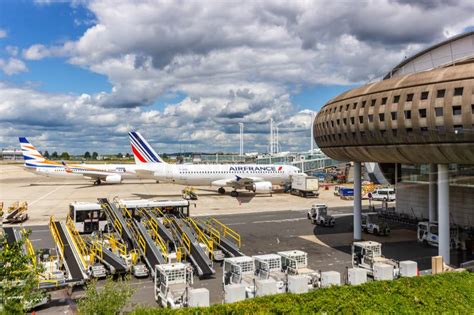
While the United States grapples with a separate ATC staffing crunch, Europe’s woes are exacerbated by airspace fragmentation and jurisdictional complexity. Unlike the U.S. Federal Aviation Administration’s unified structure, Europe’s ATC responsibilities are shared among 42 different nations under the umbrella of Eurocontrol, a non-EU multinational organization coordinating the continent’s airspace. The result is a system that is not only under-resourced but disjointed and slow to react in times of crisis.
The War in Ukraine Has Shrunken Europe’s Skies
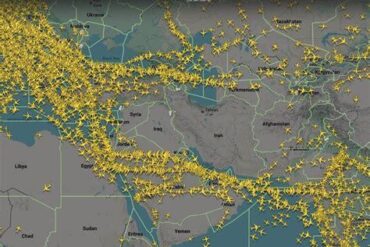
Compounding the issue is the closure of Ukrainian airspace following Russia’s full-scale invasion in 2022. Since then, European carriers have been prohibited from flying over Russia and Ukraine, effectively eliminating major corridors for long-haul flights between Europe and Asia. The result is a funnel effect: the same volume of traffic is now being squeezed through a narrower band of safe, permissible airspace.
This east-west bottleneck has added significant complexity to routing, particularly for flights between northern and southern Europe. Controllers in neighboring countries are now managing a disproportionate volume of traffic, causing routine delays and increasing the risk of last-minute cancellations.
Even when airspace is technically available, limited manpower on the ground prevents it from being used efficiently. The training pipeline for new air traffic controllers is notoriously slow—typically requiring 18 months or more, with sector-specific certifications that limit flexibility. These delays are now colliding with peak summer demand.
French Strikes: The Tipping Point
The most visible symptom of the crisis emerged on July 3 and 4, 2025, when French air traffic controllers launched a nationwide strike, paralyzing large portions of the European network. More than 1 million passengers were affected by these walkouts, which forced flights across the continent to reroute around French airspace.
For many international services, particularly between Spain, Italy, and Northern Europe, routing through France is unavoidable. The strikes did not just disrupt domestic French traffic—they rippled through the entire continent, triggering a domino effect of delays, diversions, and crew displacement.
What makes this strike particularly consequential is its timing. As airlines ramp up summer operations, even short-lived disruptions cause multiday system-wide consequences. Flight crews often “time out,” aircraft become mispositioned, and passengers are left scrambling to rebook in an already overbooked system.
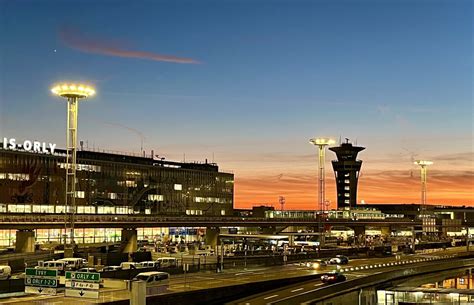
Inside Eurocontrol: A Strained Backbone
Eurocontrol, founded in 1960, has evolved into a cornerstone of continental aviation safety and coordination. Today, it provides both strategic planning and real-time traffic flow management for its 42 member states, interfacing with both military and civilian authorities.
But its power is limited. Unlike a centralized regulator, Eurocontrol lacks enforcement authority, relying instead on coordination and consensus among national ATC agencies. This means labor strikes in one country can bring chaos across borders with little warning and no viable countermeasures.
Switzerland’s Skyguide, Germany’s DFS, and Spain’s ENAIRE are among the key players, each operating independently with their own labor rules, equipment standards, and staffing pipelines. The decentralization means there is no continent-wide surge capacity, and individual outages cascade quickly across borders.
Airlines React: From Anger to Innovation
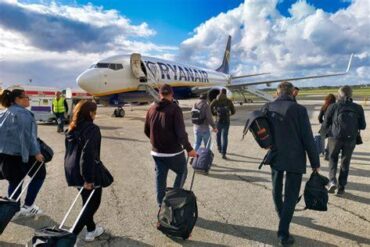
Airlines are not taking the crisis lying down. Ryanair, Europe’s largest carrier by passenger volume, has launched a public campaign titled “The ATC League of Delays,” ranking European countries based on their ATC performance. In Ryanair’s view, France, Spain, Germany, Portugal, and the UK are the worst performers, and the airline has directly called out transport ministers in these countries.
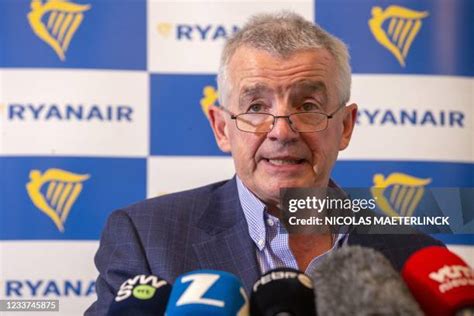
Ryanair’s CEO, Michael O’Leary, is pressuring the European Commission to intervene and modernize Europe’s ATC system, including accelerating efforts for a Single European Sky—a long-proposed initiative to unify airspace management under one pan-European authority. While the concept has broad industry support, it remains mired in political resistance and national sovereignty concerns.
Other airlines, including Lufthansa, British Airways, and easyJet, are adjusting by introducing buffer scheduling, dynamic routing algorithms, and real-time rebooking tools. But many of these stopgaps come at a cost—fuel inefficiency, longer flight times, and increased fares for consumers.
Travelers Pay the Price—With No Compensation in Sight
For passengers, the situation is a logistical and emotional minefield. EU regulation EU261 guarantees compensation for delays caused by airlines, but ATC-related disruptions are typically exempt, classified as “extraordinary circumstances.” This means passengers stranded for hours—or even days—often receive no compensation or refund beyond rebooking.
Customer service centers are overwhelmed, travel insurance claims are surging, and social media is flooded with stories of travelers missing weddings, funerals, and business commitments. The sheer unpredictability of ATC reliability has shaken consumer confidence in the region’s travel ecosystem.
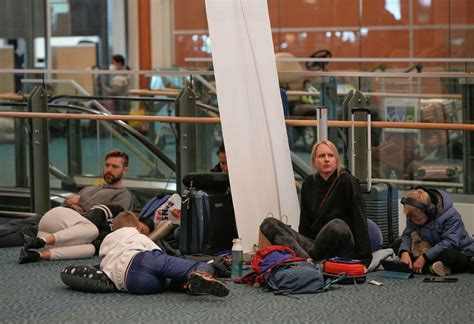
Moreover, some destinations are being disproportionately affected. Leisure hotspots like Mallorca, Nice, and Lisbon have seen delays spike by over 30% in recent weeks. Travelers to and from these high-demand regions should expect turbulence not just in the skies—but in every part of their journey.
A System in Need of Reinvention
Experts agree: Europe’s ATC model is overdue for structural reform. The Single European Sky, proposed as far back as 1999, is designed to address exactly the issues seen this summer—inefficiency, fragmentation, and lack of scalability. However, despite two decades of debate, the initiative remains unrealized.
National governments have been reluctant to surrender airspace sovereignty, citing military, political, and economic concerns. But critics argue that the status quo is no longer sustainable. With air travel expected to grow by over 40% in the next decade, the risk of recurring crises becomes a near certainty without systemic overhaul.
In the meantime, Eurocontrol is urging states to accelerate recruitment, invest in automation, and adopt collaborative traffic management. But the pace of change is glacial, and the industry’s ability to respond in real time remains limited.
What Lies Ahead for European Aviation
As the summer season enters its peak, the aviation industry finds itself at a crossroads. Travel demand is back—but the infrastructure isn’t. Without immediate intervention and long-term vision, Europe’s airspace will continue to serve as both a symbol and casualty of institutional gridlock.
Passengers can expect more strikes, more delays, and more uncertainty in the weeks to come. For airlines and policymakers, this summer is not just a wake-up call—it’s a mandate to modernize.
Until a comprehensive solution takes flight, the skies over Europe will remain a battleground—one where travelers bear the cost of every missed connection, every unstaffed tower, and every mile rerouted around closed skies.