
As summer 2025 sweeps across the United States and Europe, the long-awaited travel boom has finally arrived. Beaches are bustling, mountain trails are buzzing, and city squares are alive with tourists. But as the season heats up, so do the risks that threaten to unravel the best-laid travel plans. From unpredictable weather to crippling airport disruptions, the margin for error has never been smaller—and for thousands of travelers, it’s the fine print of travel insurance that could determine whether their summer dream turns into a logistical nightmare.
The rise in airfare and demand has triggered a ripple effect: longer wait times, frequent cancellations, and an upsurge in lost baggage incidents. While savvy travelers are booking early and choosing flexible options, a growing number are still misstepping when it comes to insurance—a protective layer that, when misunderstood, can leave you stranded and financially exposed.

Travel Insurance Timing Is Everything: Don’t Wait Until It’s Too Late
One of the most common and most damaging mistakes travelers make is buying travel insurance too late. Insurance is a preemptive tool, not a reactionary fix. If you wait until a major event, like a named storm or medical diagnosis, your policy won’t cover what you now know is likely to happen.
Policies offering premium add-ons—such as Cancel For Any Reason (CFAR) or pre-existing condition waivers—are typically only valid if purchased within 10 to 14 days of the initial trip booking. These windows are not arbitrary; they are essential for eligibility and peace of mind. Delaying purchase not only shrinks your coverage but can outright void your chance at critical benefits.
With hurricane forecasts already intensifying across the Atlantic and new global health advisories emerging, time-sensitive coverage isn’t just nice to have—it’s vital.
Ignoring Delay and Disruption Coverage Is a Costly Oversight
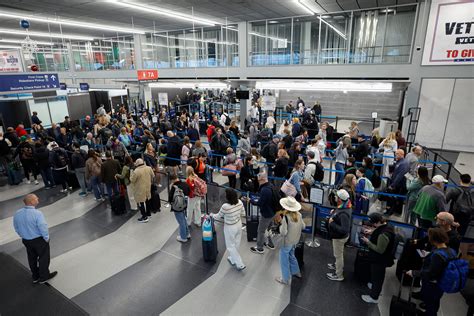
Summer 2025 has seen a dramatic spike in flight delays and cancellations, driven by airline staff shortages, aging technology systems, and airport congestion. What was once a rare inconvenience has become an almost guaranteed part of air travel, particularly across busy hubs in Europe and the U.S.
Without robust travel delay and disruption coverage, a missed connection or grounded flight can quickly drain your funds as you scramble to pay out-of-pocket for meals, hotels, or alternate flights. This type of coverage is no longer optional—it’s essential.
Choose a policy that kicks in for delays as short as three hours, and ensure it defines qualifying disruptions broadly—weather, mechanical failures, labor strikes, and more. Travelers who go uninsured in this area are increasingly finding themselves not just inconvenienced, but financially wiped out.
Pricey Policies Aren’t Always Better—Know What You’re Paying For
Contrary to instinct, the most expensive policy doesn’t guarantee the best protection. Many travelers fall into the trap of equating price with comprehensiveness, only to discover too late that the fine print excludes what they needed most.
Insurers evaluate risk differently, and identical coverage across companies can vary in cost by hundreds of dollars. What you’re often paying for is brand recognition or marketing markup, not necessarily better service or more inclusive benefits.
The solution lies in comparison shopping. Use established platforms like Squaremouth to weigh multiple providers side by side. Look at coverage limits, exclusions, add-ons, and user ratings. The goal is not to buy the flashiest plan—it’s to buy the one that matches your trip’s unique risks.
The Pitfall of Airline and Cruise Line Insurance Add-Ons
It’s tempting to click “yes” on the convenient insurance offer during the checkout process for a flight or cruise. But most of these built-in insurance options are designed for convenience—not coverage.
Airline- and cruise-provided insurance plans often lack key protections like trip interruption, medical evacuation, or pre-existing condition coverage. Worse still, they usually restrict how you can use your coverage, and navigating claims or customer service can be maddeningly bureaucratic.
What you gain in convenience, you lose in flexibility, depth, and claim support. Independent policies from third-party insurers allow for customization, broader coverage, and better claims handling standards.
Relying Solely on Credit Card Travel Perks Can Be Dangerous
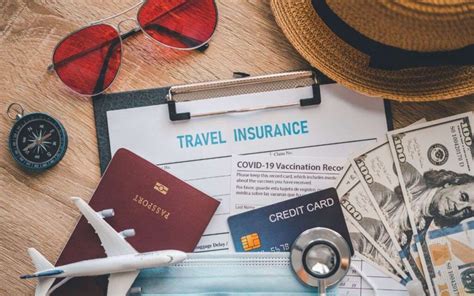
Many credit card companies tout impressive-sounding travel insurance benefits—and for small disruptions, they can be helpful. But they are no substitute for a full travel insurance policy.
These benefits often come with low limits, strict activation rules, and major gaps—especially when it comes to international medical care, evacuation, or extended trip delays. In high-risk destinations or multi-leg itineraries, that’s a recipe for disaster.
Think of your credit card perks as a bonus layer, not the foundation. Supplement them with a stand-alone policy that covers medical expenses, baggage delays, trip interruption, and emergency evacuation—the things that can bankrupt you if they go wrong.
Why Smart Travel Insurance Is Crucial in 2025
The global travel landscape has changed. Weather patterns are less predictable. Airlines are under pressure. More travelers are venturing to remote and exotic locations, where local support is limited and healthcare access can be poor.
At the same time, costs are ballooning. A short hospital stay abroad can now cost over $10,000, and emergency evacuations can exceed $50,000. Even basic delays can create a domino effect that wipes out the value of an entire vacation.
The emotional consequences are just as severe. Missing a once-in-a-lifetime reunion, losing your honeymoon savings, or having to cancel your child’s dream trip are experiences no insurance refund can fully fix. But having that refund can at least give you a chance to recover and try again.
Squaremouth: The Industry’s Trusted Watchdog for Travel Insurance
Squaremouth, with over 4 million travelers served, has become the go-to source for transparent, user-friendly insurance comparisons. Its platform strips out the jargon and focuses on what travelers actually need—not what companies want to sell.
With filters for benefits, prices, and provider ratings, Squaremouth gives power back to the traveler. Whether you’re a first-timer or a globe-trotting expert, the ability to see your options clearly can mean the difference between peace of mind and an expensive mistake.
Final Word: Travel Confidently, Not Just Cheaply
This summer is poised to break records for both travel volume and volatility. The joy of movement is back, but so are the risks—and bigger than before. Travel insurance is no longer just a safety net. It’s a strategic defense against the chaos of modern travel.
Avoiding these five critical mistakes isn’t just about protecting your bank account. It’s about protecting your memories, your time, your sanity, and the moments you’ve worked hard to experience.
So as you pack your bags and finalize your plans, do it wisely. Buy early. Read the details. Compare like a pro. Then step onto that plane, ship, or train knowing you’re covered—for whatever this wild summer has in store.