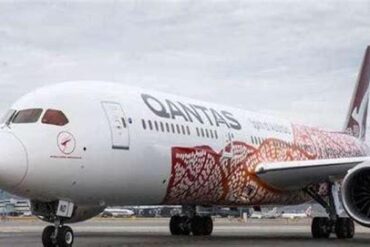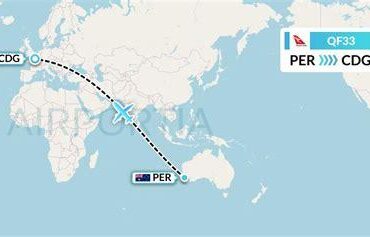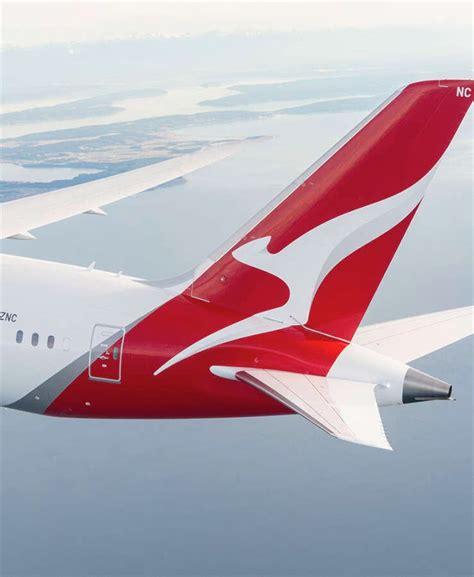
A routine Qantas Airways flight from Perth to Paris turned into a 15-hour aerial odyssey with no destination reached, as the aircraft was forced to return to its origin due to sudden missile strikes and airspace closures in the Middle East. The unforeseen incident has once again underscored the fragile relationship between geopolitics and global aviation, throwing light on how international conflicts can disrupt even the most meticulously planned routes.
Geopolitical Tensions Unraveling Flight Paths
The flight, operated by a Boeing 787 Dreamliner, departed Perth at 7:35 PM local time on Monday with its passengers expecting a direct 17-hour journey to the French capital. As the aircraft approached the southwestern edge of Indian airspace, the crew received alarming intelligence: escalating missile activity over Middle Eastern airspace, notably linked to renewed Iranian military operations. With safety protocols paramount, the decision was made to turn back. By 11:00 AM Tuesday, the aircraft had completed a full loop back to Perth.
This abrupt return was not an isolated occurrence. A Qantas flight from Perth to London Heathrow also had to reroute via Singapore, pausing for refueling and security clearance before resuming its journey. The airline quickly issued a statement confirming that both long-haul services were affected by the volatile security situation in the Middle East.
The Chain Reaction of Missile Strikes and Airspace Closures
The chaos was sparked by a string of Iranian missile attacks, carried out in retaliation to a U.S. military strike on Iranian positions. The attack followed an earlier Israeli military operation launched on June 13 against Iranian assets, spiraling into a complex web of hostilities across the region. In particular, Qatar’s Al Udeid Air Base, hosting American forces, became a prime target, prompting the Qatari authorities to shut down their airspace.
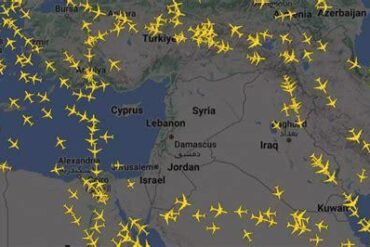
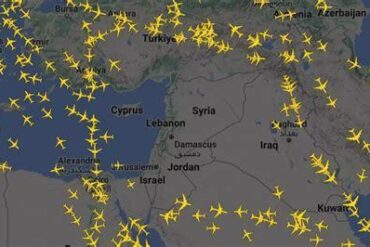
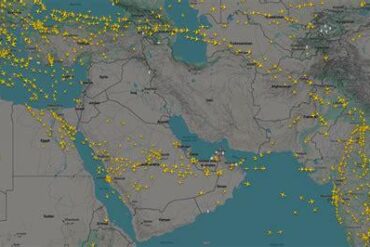
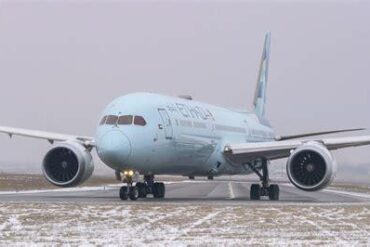
With air corridors closing rapidly—first in Qatar, followed by adjacent zones in the UAE and beyond—airlines were left scrambling. Carriers such as Emirates, Etihad, and Qatar Airways temporarily suspended regional operations or rerouted via Southeast Asia and Central Asia to maintain essential services.
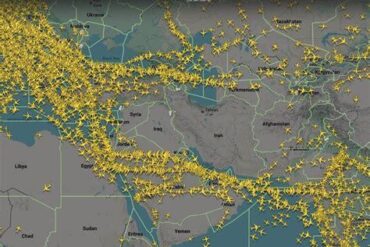
Qantas, whose nonstop Europe routes are a defining feature of its long-haul strategy, was especially vulnerable. These services routinely pass through Middle Eastern air corridors, including Iranian, Iraqi, and Gulf airspaces. While alternatives exist, such as extended paths via India, Central Asia, or Southeast Asia, they often add several hours to the flight duration and require complex refueling logistics.
Emergency Response and Passenger Welfare
Qantas’s immediate priority was passenger care. Upon the aircraft’s return, stranded passengers were provided overnight accommodation, meals, and rebooking assistance. Affected travelers on both the Paris and London-bound flights were offered updated itineraries and real-time updates, reflecting the airline’s emphasis on maintaining customer confidence amidst crisis.
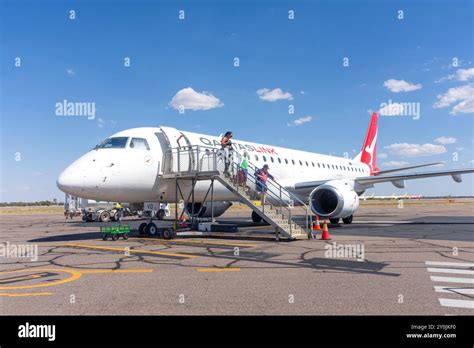
The airline also dispatched additional ground staff and coordinated closely with airport authorities in Singapore, Perth, London, and Paris to manage the fallout of the disruption. Qantas emphasized that such decisions are never taken lightly, but safety remains non-negotiable.
Strategic Adjustments and Future Considerations
Qantas’s broader operational framework now faces urgent reassessment. The airline has confirmed it is evaluating alternate flight paths for all Europe-bound services. Analysts predict an increased reliance on routes through southern Asia or even the polar route over Russia, depending on diplomatic viability.
This recalibration could mirror Qantas’s response during previous flashpoints in the region, including the U.S.-Iran tensions of 2020, during which aircraft were rerouted over longer trajectories to avoid Iranian and Iraqi airspace. These detours often carry significant cost implications—fuel consumption, crew scheduling, air traffic coordination, and ground service adjustments all demand substantial logistical recalibration.
The Fragile State of Middle Eastern Air Corridors
The airspace over the Middle East—especially the Persian Gulf corridor—remains a crucial artery for global aviation. It is a preferred route not only for its directness but also because it facilitates optimal fuel efficiency for ultra-long-haul flights connecting the Southern Hemisphere with Europe and North America.
However, the region has now become synonymous with unpredictability. Despite a temporary ceasefire brokered by the Trump administration, Iranian missile launches and Israeli retaliatory actions resumed as of Tuesday morning, casting doubts over the durability of peace agreements. This has raised alarms among international aviation regulators and agencies, including the International Civil Aviation Organization (ICAO), which issued advisories urging rerouting where possible.
Widespread Industry Disruption and Passenger Impact
The cascading effects of these geopolitical tremors have not spared other airlines. Emirates, Lufthansa, Air France, British Airways, and Turkish Airlines have all announced adjustments, with some suspending flights altogether on Middle Eastern routes. The wave of reroutings and cancellations has left tens of thousands of passengers displaced or delayed.
These disruptions have prompted calls from aviation unions and travel associations for greater transparency and better passenger protection frameworks. Many travelers faced conflicting rebooking options, unclear refund policies, and insufficient ground support at diversion airports.
The Broader Geopolitical Backdrop
At the heart of the turmoil lies a complex geopolitical saga. Israel’s airstrikes on June 13 were part of a pre-emptive operation targeting Iran’s missile storage facilities and alleged nuclear development centers. The ensuing Iranian retaliation was not limited to Israel but extended to U.S. assets in Iraq and Qatar, leading to the largest regional escalation since the 2020 Baghdad drone strike.
The United States responded swiftly with precision strikes on Iranian military targets, escalating the standoff. In retaliation, Iran launched coordinated missile attacks on U.S. and allied military outposts. The closure of Qatari and UAE airspace was a direct consequence of these events.
Despite efforts at diplomacy—including behind-the-scenes negotiations by European powers and Turkey—the situation remains tenuous, and many governments are now advising against non-essential travel through the region.
Qantas and the Challenge of Long-Haul Resilience
For Qantas, this episode is yet another test of its famed long-haul resilience strategy, embodied in its “Project Sunrise” initiative, which seeks to connect Australia to Europe and North America via nonstop flights. While these ambitions have previously faced obstacles related to crew fatigue rules, ETOPS (Extended-range Twin-engine Operational Performance Standards) constraints, and aircraft availability, geopolitical instability now stands as an equally formidable barrier.
Still, Qantas has reaffirmed its commitment to maintaining European connectivity, particularly to Paris and London, two vital nodes in its international network. As new aircraft like the Airbus A350-1000 enter service under the Project Sunrise umbrella, more efficient and flexible routing options may become available, allowing Qantas to bypass volatile regions while maintaining competitive service.
What Comes Next: Policy, Planning, and Passenger Awareness
This latest disruption reinforces the need for real-time contingency planning in aviation. Airlines are being urged to invest more in predictive risk analysis tools, enhanced pilot training for emergency rerouting, and tighter collaboration with airspace monitoring agencies.
Travelers too will need to adjust their expectations. The age of uninterrupted, frictionless global mobility is now intertwined with international diplomacy, military activity, and cross-border tensions. Flexibility, real-time information access, and travel insurance tailored for geopolitical risks are fast becoming travel essentials.
Qantas continues to monitor developments in the Middle East closely, adjusting operations dynamically while maintaining open lines of communication with its customers. Whether this proves to be an isolated event or the start of a new norm in aviation remains to be seen—but one thing is certain: in the skies above conflict zones, flight paths are never guaranteed.