As geopolitical tensions escalate in the Middle East, the aviation industry finds itself navigating uncharted waters. The recent conflict, ignited by U.S. military strikes on Iranian nuclear sites, has led to a cascade of airspace closures that are reshaping commercial flight operations across several countries, including Israel, Iraq, Syria, Egypt, Saudi Arabia, Japan, and New Zealand. This unprecedented situation not only disrupts passenger travel but also poses significant challenges for cargo logistics, creating a ripple effect felt worldwide.
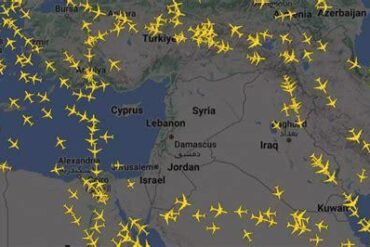
The fallout from this crisis is profound. Airspace restrictions have transformed vast areas above Iran, Iraq, and Syria into no-fly zones, while parts of Israeli airspace remain partially closed. As airlines scramble to adapt, the impact on global travel is severe. With critical flight corridors severed, carriers are forced to reroute their operations, often at considerable financial and logistical costs.
Critical Airspace Closures: A New Reality for Airlines
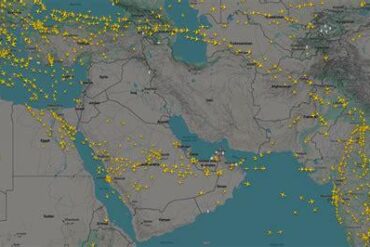
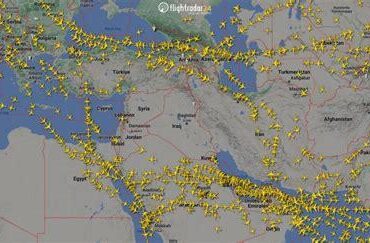
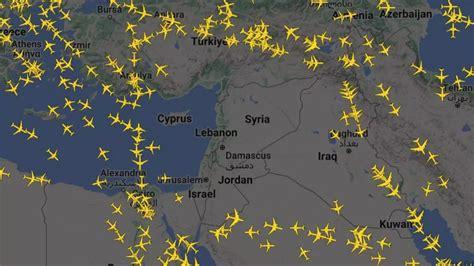
The closure of airspace over conflict-prone regions has prompted a major overhaul in flight planning. Airlines are now bypassing traditional routes, opting instead for longer paths that skirt the edges of danger. For instance, flights that once traversed the skies above Iran and Iraq are now being redirected either north over the Caspian Sea or south through Egypt and Saudi Arabia. This strategic maneuvering is essential for ensuring passenger safety but comes with a heavy price tag.
- Airspace Status Overview:
- Iran: Completely restricted
- Iraq: Avoided by commercial traffic
- Syria: Considered high-risk
- Israel: Partially closed
- Egypt: Used for southern detours
- Saudi Arabia: Primary reroute corridor
- Caspian Sea: Main northern detour route
As these new flight paths emerge, airlines face increased operational costs due to several factors. The need for additional fuel, extended flight durations, and heightened crew expenses directly contribute to rising ticket prices for travelers. Passengers are finding themselves grappling with longer layovers and unexpected delays, further complicating their travel plans. Even those with no direct connection to the conflict are experiencing the global ramifications of this escalating crisis.
The Trigger Event: June 13 and Its Aftermath
The aviation crisis reached a pivotal moment on June 13, when Israeli airstrikes targeted positions within Iran. This event marked a significant escalation in regional tensions and immediately led to widespread flight cancellations as airlines responded to the emerging threats. By the end of that day, the global aviation landscape had shifted dramatically, with airlines scrambling to adjust their flight schedules and routes.
The urgency of this situation cannot be overstated. Aviation authorities around the world reacted swiftly, issuing advisories urging carriers to steer clear of active conflict zones and areas where missile activity was reported. Passenger safety has become paramount, with airlines reevaluating their operational protocols to mitigate risks associated with airborne missile threats. Each flight now undergoes rigorous scrutiny as carriers work to balance safety with the need for efficient travel.
Government Response: Urgent Evacuations and Safety Measures
In light of the unfolding crisis, governments are stepping up their efforts to evacuate citizens stranded in high-risk areas. Japan and New Zealand have taken the lead in orchestrating urgent repatriation missions for their nationals. However, Israel’s own evacuation operations have been significantly hampered by surrounding airspace restrictions, highlighting the precarious nature of the current situation.
Every canceled flight and delayed rescue mission underscores the volatile environment now facing both commercial and emergency aviation. The risk of missile threats has changed the rules of the sky, compelling airlines to prioritize safety above all else. In this new reality, carriers are no longer asking what routes are cheaper; they are solely focused on identifying what routes are safest.
The Broader Implications: Global Travel Disruptions
The implications of this crisis extend well beyond the immediate borders of the conflict zones. International travelers, particularly those flying between Europe, Asia, and Africa, are now confronted with a myriad of challenges. Increased airfares driven by surging fuel and crew costs, extended travel times due to rerouted flights, and a higher likelihood of cancellations are becoming the norm.
Passengers are advised to stay vigilant, monitor flight updates closely, and remain flexible as the situation evolves. The interconnectedness of global travel means that even those who may not be directly affected by the Middle Eastern conflict are feeling its repercussions. The aviation industry must adapt quickly to this new paradigm, where normalcy is no longer guaranteed.
Aviation Industry Transformation: Embracing a New Era
The ongoing crisis serves as a stark reminder of how geopolitical instability can reshape the landscape of global aviation. Airlines are now tasked with updating their emergency evacuation procedures, relying on alternative overland and maritime routes, and investing in crisis management systems to ensure swift responses to any future emergencies. Long-term route planning strategies are also under review, as airlines grapple with the uncertainty of the current environment.
The impact of these developments extends to tourism-dependent economies and international shipping routes, as businesses brace for prolonged instability. The skies over the Middle East may be filled with conflict, but the message resonates worldwide: regional unrest can quickly escalate into a global aviation emergency.
Conclusion: Navigating Uncertainty in the Skies
As airlines continue to reroute flights and governments coordinate evacuation efforts, both the aviation industry and its passengers must adapt to a fragile era of air travel. The disruptions we see today are not merely temporary inconveniences; they represent a broader shift in how modern conflicts can affect the global movement of people and goods. Flights may still operate, albeit longer and costlier, but the certainty of safe passage through key airspace is no longer assured. The question remains: how long will it take for airspace over Iran, Iraq, Syria, and Israel to reopen, and what measures will be implemented to safeguard future travelers? The world must remain vigilant and prepared to fly smarter than ever before.