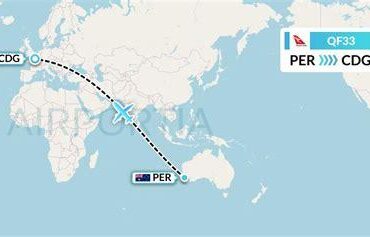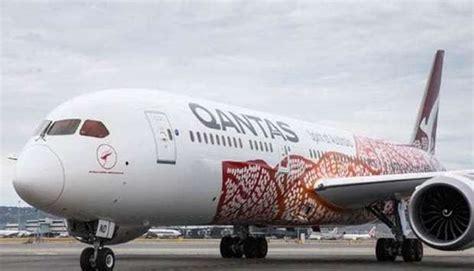
Passengers aboard a Qantas ultra-long-haul service from Perth to Paris experienced a dramatic and exhausting journey on June 24, 2025, after escalating conflict in the Middle East triggered sudden airspace closures, forcing the aircraft to return to Australia more than fifteen hours into its journey.
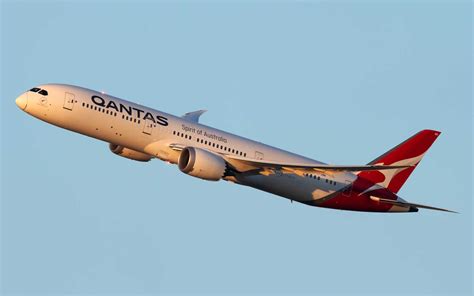
The affected flight, operated by a Boeing 787 Dreamliner, was part of Qantas’ flagship non-stop services linking Perth with major European destinations—a network designed to provide travelers with efficient, direct access to Europe without lengthy layovers. However, the geopolitical reality of global aviation intervened in spectacular fashion, reminding both airlines and passengers of the fragile nature of international air corridors.
The Incident: Missile Strike and Rapid Airspace Shutdown
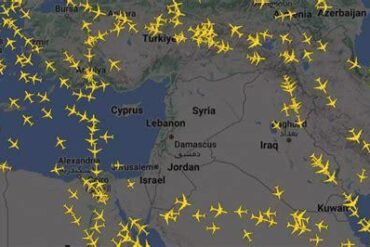
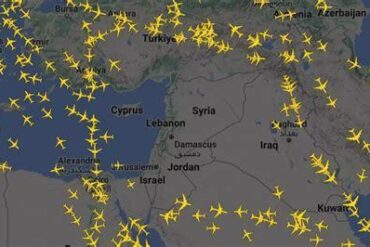
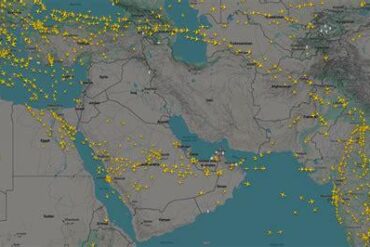
The chain of events began on the evening of June 24 when reports emerged of a missile strike in the Middle East, an area already fraught with tension. Within hours, multiple critical airspace corridors across the region were abruptly closed to civilian traffic as international aviation authorities issued emergency NOTAMs (Notices to Air Missions).
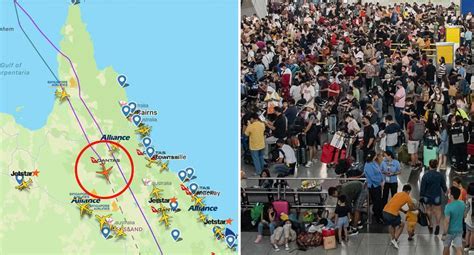
Qantas’ flight, already deep into its nearly 14,000-kilometer journey and approaching the southwestern boundary of Indian airspace, received real-time updates of the closures. With restricted routes, heightened security advisories, and no viable detours that could safely bypass the conflict zone without exceeding fuel limitations, the airline made the decisive call to turn the aircraft around.
Over 15 Hours in the Air—Back to Square One
By the time the Qantas Dreamliner landed back in Perth at approximately 11:00 a.m. on June 25, passengers had endured over 15 continuous hours in the air, only to find themselves right back where they started. It was a grueling, round-trip odyssey emblematic of the volatile geopolitical factors that modern aviation contends with.
In a parallel development, another Qantas service departing Perth for London was also caught up in the crisis. That flight, also utilizing a Boeing 787, was able to divert safely to Singapore. There, passengers disembarked and were provided with accommodation as airline teams scrambled to manage the evolving situation.
Operational Impact on Qantas’ European Network
The disruption had immediate cascading effects on Qantas’ tightly coordinated European operations. With aircraft now out of position and airspace closures rendering direct routes unavailable, the airline confirmed that return services from both Paris and London to Perth were delayed indefinitely.
For Qantas, these direct, ultra-long-haul routes are a signature achievement, part of its broader “Project Sunrise” initiative that seeks to link Australia with key global cities via efficient, non-stop services. These flights, which traverse vast stretches of ocean and land, have been a cornerstone of the airline’s competitive advantage, especially appealing to premium and business travelers seeking to avoid traditional transit hubs.
Yet, as this incident underscores, these pioneering routes are only as reliable as the international airspace they rely upon. Historically, the Middle East has served as a crucial bridge for flights connecting Australia to Europe. However, persistent instability, military conflicts, and sudden geopolitical flare-ups frequently disrupt these vital pathways.
A History of Geopolitical Route Adjustments
This is not the first time Qantas has had to adjust its Europe-bound services due to regional unrest. In previous years, increased hostilities in the Middle East have prompted the airline to implement alternative routing strategies, often involving detours over the Indian Ocean or unscheduled fuel stops in Singapore or other Southeast Asian hubs.
Such adjustments, while operationally demanding and costly, are standard practice for airlines prioritizing safety. The decision to return an aircraft to its departure point, rather than attempt risky rerouting, reflects the meticulous safety culture within Qantas’ long-haul division.
Airspace Closures: A Growing Threat to Global Aviation
The latest Middle East airspace shutdown highlights the complex interdependence of global aviation and international security. A single missile strike or military escalation can unleash immediate ripple effects across continents, grounding flights, forcing diversions, and stranding thousands of passengers.
Aviation regulators worldwide monitor these developments closely, often issuing NOTAMs within minutes of confirmed hostilities. While such advisories are crucial for safeguarding passengers and crew, they can also place airlines in difficult operational positions, particularly when aircraft are already airborne.
In this incident, Qantas’ proactive response demonstrated the challenges of in-flight decision-making amid evolving geopolitical threats. The airline confirmed that its crisis management protocols were swiftly activated, involving coordination with air traffic control authorities, international security agencies, and aviation regulators to assess alternative flight corridors.
Passenger Support and Contingency Measures
For affected travelers, the ordeal has been both exhausting and disruptive. Qantas has mobilized its customer service resources, offering rebooking options, hotel accommodations, meal vouchers, and continuous updates. Passengers from the Perth-Paris flight faced the unique frustration of a 15-hour journey that effectively brought them no closer to their destination.
Meanwhile, those diverted to Singapore from the London-bound service were provided overnight accommodation and await further updates on connecting arrangements. Qantas has pledged to keep passengers informed as the situation evolves and alternative transportation plans materialize.
The Broader Implications for Airlines and Travelers
This incident serves as a stark reminder of the vulnerabilities inherent in long-haul aviation. As conflict zones proliferate and geopolitical risks intensify, airlines must maintain extraordinary agility, prepared to alter flight paths, schedules, and destinations at a moment’s notice.
The increasing reliance on ultra-long-haul flights amplifies these challenges. While such services offer unparalleled convenience, they also demand consistent access to expansive airspace across multiple regions. Disruptions in any single zone—such as the Middle East—can compromise the viability of these routes.
For travelers, the episode underscores the importance of flexibility and awareness when booking complex itineraries. Though frustrating, the disruptions highlight the overriding importance of safety in aviation operations.
Qantas’ Next Steps: Navigating a Fluid Situation
Qantas has reiterated its commitment to resuming its Europe services as soon as conditions permit. The airline emphasized that it will not reinstate direct flights from Perth to Paris or London until full safety clearances are granted by international aviation authorities.
In the interim, Qantas is actively recalculating flight paths, monitoring regional developments, and exploring contingency options, including connecting services via Singapore, Bangkok, or other established transit hubs. The airline’s operations teams continue to liaise with global security analysts to assess the evolving conflict and its implications for commercial aviation.
While the skies over the Middle East remain volatile, Qantas’ response has been largely praised for its transparency and unwavering prioritization of passenger safety. Though the situation has temporarily disrupted the airline’s European ambitions, it also reinforces the rigorous planning and adaptability embedded within modern long-haul operations.
The affected passengers may have experienced frustration and fatigue, but their safe return underscores the effectiveness of these protocols. As global tensions ebb and flow, airlines like Qantas will continue to walk the tightrope of operational ambition and geopolitical caution.
For now, travelers between Australia and Europe are advised to stay updated through official airline communications and to expect temporary adjustments as the region’s airspace situation develops. In an era where a single regional conflict can reshape international flight patterns overnight, flexibility and vigilance remain essential for both airlines and their passengers.