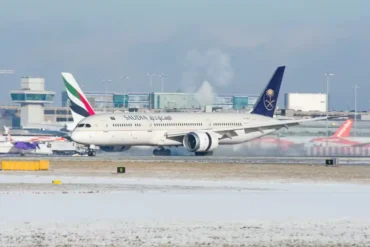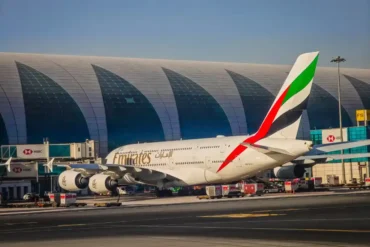
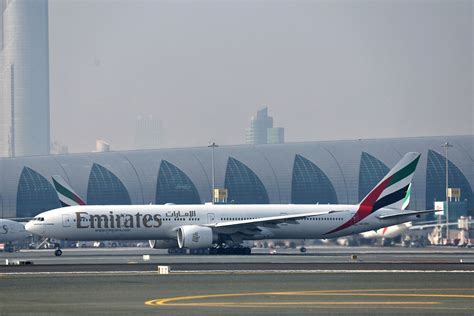
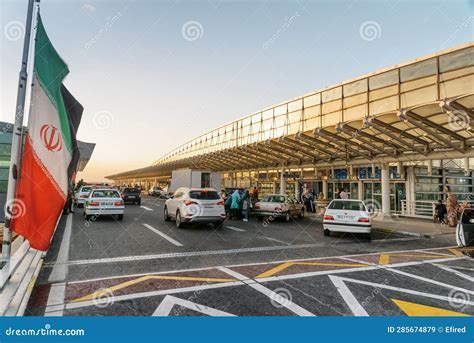
On June 13, 2025, what began as a routine Emirates flight from Dubai to Tehran swiftly turned into a high-stakes international crisis. Flight EK977, operated by a Boeing 777-300ER registered as A6-EGE, landed safely at Imam Khomeini International Airport. But within the hour, everything changed. In response to escalating hostilities between Iran and Israel, Iranian authorities abruptly shut down the nation’s airspace. That one decision didn’t just delay a flight—it paralyzed a key aviation artery in the global network.
Middle East Escalation Grounds Major Global Carrier
The closure of Iranian airspace followed a series of missile strikes reportedly launched by Israel into Syrian territory, to which Iran responded by imposing an immediate airspace lockdown via a NOTAM (Notice to Airmen). Emirates, a flagship Gulf carrier known for its precision, suddenly found one of its multimillion-dollar assets and crew immobilized in hostile geopolitical terrain. The grounded jet, a 13-year-old aircraft valued at over $150 million, was supposed to return within hours. Instead, it sits unused in Tehran for days, becoming a stark symbol of aviation’s vulnerability in volatile zones.
Compounding the issue is the human factor. The Emirates crew, representing a mix of nationalities, were unprepared for an extended stay. Expecting a brief turnaround, they now face an indefinite wait in a politically sensitive area. Though Tehran has not been directly targeted, the proximity to conflict zones and diplomatic complexity has elevated stress levels and logistical concerns.
Shockwaves Through Global Air Corridors
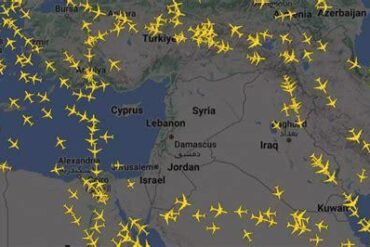
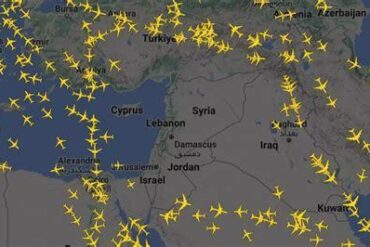
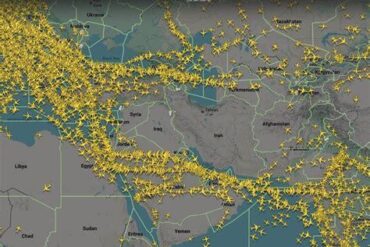
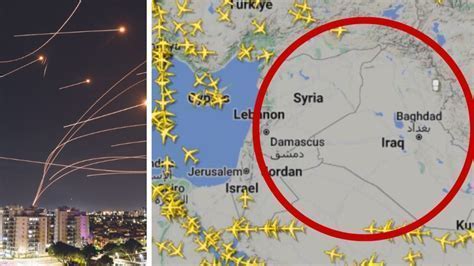
The fallout from the Iranian airspace closure is reverberating worldwide. The Middle East functions as a critical junction for East-West flight routes, and the sudden gap created by Iran’s airspace shutdown has disrupted dozens of international schedules. Airlines flying between Asia and Europe are now forced to detour through longer and costlier paths, adding hours to flight times and spiking fuel expenditures.
Flight tracking data confirms that Emirates Flight EK977 has not moved since June 13, remaining parked at Imam Khomeini International. Meanwhile, neighboring countries like Iraq and Pakistan face increased traffic pressure as alternative corridors become congested. Qatar Airways, Etihad, and other regional players are reassessing risk exposure and route viability, with some already implementing overnight schedule revisions.
Aviation’s New Frontline: Risk, Safety, and Strategy
This crisis exposes a significant weakness in the modern aviation framework—its reliance on diplomatic stability and predictable access. Short-haul regional flights, once considered routine, are now susceptible to overnight disruption and extended geopolitical entanglement. For Emirates, a carrier with ambitions of remaining a global bridge, the Tehran incident underlines the risks of maintaining operations in tension-prone zones.
The International Air Transport Association (IATA) has issued statements urging diplomatic resolution while coordinating with member airlines to facilitate safer reroutes. Analysts expect a ripple effect on insurance premiums, crew deployment strategies, and route planning algorithms. With many airliners programmed to optimize efficiency through Middle Eastern skies, software and strategy must now adapt to new patterns of volatility.
Economic Toll: More Than Just a Grounded Jet
The financial implications stretch far beyond the immobilized Emirates 777. Dubai International Airport, one of the busiest hubs globally, faces knock-on effects due to inbound and outbound delays. Rebooking complications, passenger compensation, and aircraft repositioning costs pile up rapidly. The longer the impasse continues, the more airlines will bleed resources managing cascading disruptions.
For Emirates, every day the aircraft remains in Tehran represents mounting opportunity costs. Flights missed, routes reshuffled, passengers lost. The economic cost also extends to passengers—many of whom are filing travel insurance claims for trip disruptions, hotel stays, and additional expenses. Travel agencies, particularly those booking itineraries through Gulf hubs, are fielding calls from anxious clients reconsidering their travel through the region.
Stranded Crew in Diplomatic Limbo
While Emirates has remained largely tight-lipped, sources suggest no clear timeline exists for the repatriation of its crew. Coordination with UAE diplomatic channels and Iranian aviation authorities is reportedly ongoing, but given the fragile regional atmosphere, no guarantees can be made. Some crew members have been provided hotel accommodations, while others remain near the airport under heightened security.
The incident has reignited calls for revised international crew safety protocols, especially for deployments in regions with rapidly changing political climates. Training may soon include more robust contingency planning, including evacuation logistics and regional geopolitical briefings.
Tehran Becomes Aviation’s Pressure Point
Iran’s decision to close its skies, although not unprecedented, has transformed Tehran into a focal point of aviation anxiety. Just months ago, the city welcomed daily flights from major carriers across Europe and Asia. Now, it represents a chokehold, effectively sealing off a vital artery.
What’s striking is the speed of escalation. Within 60 minutes, an airspace once deemed safe turned unusable. This demonstrates how airlines cannot rely solely on pre-approved security assessments. Instead, they must begin incorporating real-time geopolitical monitoring into their operational frameworks.
Passenger Confidence Begins to Erode
For travelers, this incident sows fresh doubt about the safety of flying through Middle Eastern corridors. Though Emirates has long enjoyed a reputation for safety and service, passenger psychology is not immune to headlines. Bookings to and from destinations like Tehran, Baghdad, and even Doha could see temporary declines as customers seek routes less exposed to diplomatic friction.
Even premium travelers—historically more loyal—are likely to weigh alternative paths, favoring airlines with stable routes outside potential flashpoints. The industry must now face the possibility that entire regional travel ecosystems may lose appeal if tensions escalate further.
Diplomatic Tensions Show No Signs of Easing
With no ceasefire or de-escalation agreement in sight, the Iran-Israel standoff looks set to continue destabilizing the region. Intelligence briefings and leaked reports suggest both countries are in elevated military readiness, while third-party nations call for restraint. Until diplomatic progress occurs, the aviation industry will operate under shadow protocols, treating large swathes of the Middle East as high-risk zones.
Industry leaders are urging international aviation organizations to fast-track risk modeling systems, capable of proactively redirecting flights based on real-time data. As the line between civil aviation and global conflict narrows, proactive technological adaptation becomes not a luxury—but a necessity.
Conclusion: A Symbol of Fragile Global Connectivity
The Emirates jet grounded in Tehran has become more than a stranded aircraft. It’s now a symbol of aviation’s precarious dependency on political equilibrium. One moment, a passenger jet prepares for descent. The next, it is transformed into a pawn in a geopolitical chessboard, its crew and passengers unwitting actors in a larger drama.
The events of June 2025 have reminded the world that global air travel moves on thinner ice than ever before. As long as diplomacy falters and hostilities escalate, the skies will remain turbulent—not just for Emirates, but for the entire network of carriers, operators, and travelers who depend on open, stable skies to keep the world connected.