The global air cargo network depends on aircraft that rarely receive public attention but quietly power the modern economy. Every online order, medical shipment, and industrial component crossing continents relies on a finely balanced system of aircraft designed for efficiency rather than glamour. Among these, the Boeing 767-300F has long stood out as a rare success story: a mid-size freighter that delivers the ideal combination of range, payload, and operating economics. It became the backbone of express logistics networks precisely because it solved a problem few other aircraft could address with the same balance.
Over time, this aircraft earned a reputation not through headlines but through reliability. Airlines valued it because it could serve both dense intercontinental routes and thinner regional links without the financial penalties associated with larger widebody freighters. In a world where logistics margins are tight and scheduling precision is critical, that versatility became its defining advantage. It quietly formed the backbone of global supply chains, particularly in overnight delivery networks that now define modern commerce.
What makes its story remarkable is that demand has never truly faded. Even today, cargo operators continue to rely heavily on it, and production remains active. Yet despite this ongoing demand, the end of its manufacturing era is already in sight—not because the market no longer wants it, but because the regulatory environment is moving beyond what the design can achieve.
The Aircraft That Defined the Mid-Size Freighter Market
The Boeing 767-300F occupies a rare and strategically important segment in aviation. It was introduced as a dedicated freighter variant of the 767 passenger platform, optimized for cargo loading efficiency, range, and operational flexibility. With a payload capacity of roughly 52,000 kg and a range exceeding 3,000 nautical miles, it struck an ideal balance between capability and cost efficiency.
This balance is what made it indispensable. Large freighters such as the Boeing 777F offer significantly higher payloads, but they also require consistently dense route networks to justify their operating costs. Smaller aircraft, meanwhile, lack the ability to handle the bulk movement required by global distribution hubs. The 767-300F sits precisely in the middle, allowing carriers to optimize frequency without sacrificing cargo volume per flight.
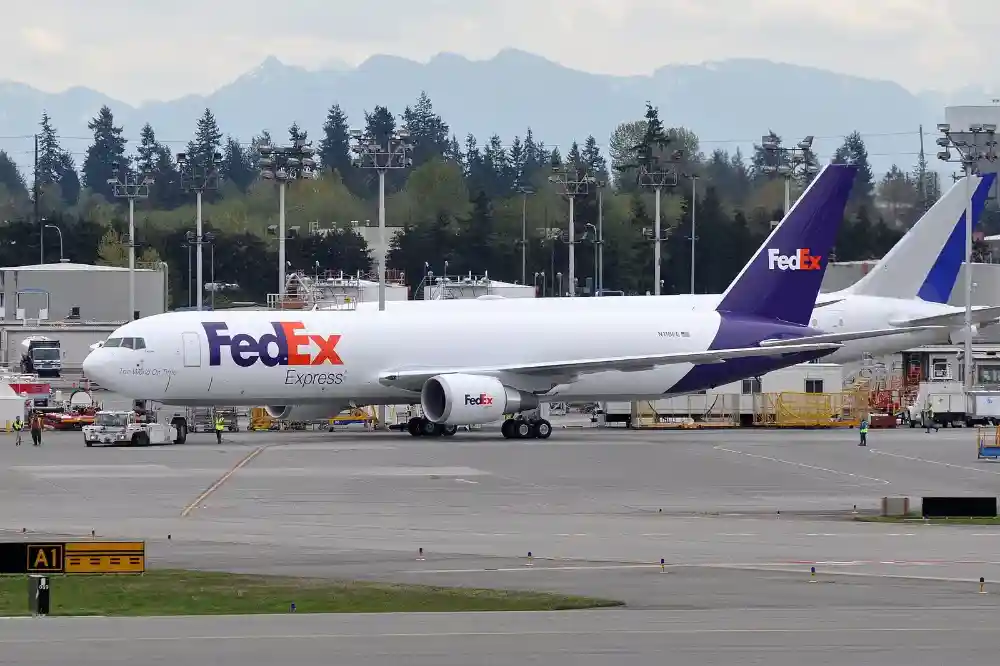
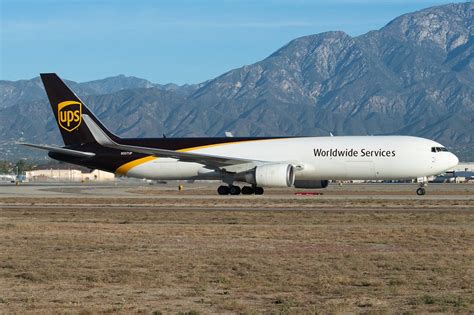
Its success is reflected in fleet adoption. Major operators like FedEx and UPS built extensive fleets around it, effectively standardizing global express logistics on its capabilities. The aircraft became less of a product and more of an infrastructure layer—an invisible but essential component of worldwide trade.
Why Demand Remains Strong but Production Is Still Ending
Despite its commercial success, the production trajectory of the 767-300F is now approaching its final phase. This is not a reflection of declining customer interest. On the contrary, cargo operators continue to place orders, and backlog demand remains stable. The real pressure comes from an external force that aircraft manufacturers cannot negotiate away: international emissions regulation.
Aviation regulators under ICAO have progressively tightened efficiency and environmental standards for newly produced aircraft. These rules are designed to push the industry toward lower emissions, improved fuel efficiency, and next-generation aerodynamic performance. While newer aircraft families have been designed with these requirements in mind, older platforms face increasing difficulty meeting future certification thresholds.
The 767 is particularly affected because its design origins trace back to an earlier technological era. Although it has been continuously upgraded, its foundational architecture predates modern efficiency expectations by decades. As regulatory thresholds tighten further toward 2028 and beyond, the aircraft reaches a point where incremental improvements can no longer bridge the gap.
The Engineering Limits of Extending a Legacy Design
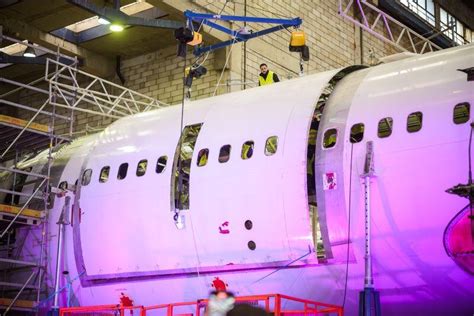
At first glance, modernizing an existing aircraft might appear straightforward. Install newer engines, refine aerodynamics, and update onboard systems. In reality, aircraft efficiency is not determined by a single component but by a deeply integrated system of design choices. The fuselage shape, wing architecture, materials, and propulsion systems all interact in ways that define performance limits.
The 767 was engineered in an era when fuel costs and environmental constraints were fundamentally different. Its aluminum-based airframe, conventional wing geometry, and legacy structural design leave limited room for radical efficiency improvements without a complete redesign. Even if modern engines were introduced, they would require structural modifications so extensive that the aircraft would effectively become a new model.
That is where economics become decisive. Redesigning a mature aircraft program to meet modern standards would require billions in investment, certification cycles spanning years, and a relatively small remaining market window. At that point, manufacturers face a difficult conclusion: it is more practical to design a new aircraft than to retrofit an aging one.
The Missing Successor and Boeing’s Strategic Gap
One of the most significant consequences of the 767-300F’s sunset is the absence of a direct replacement in Boeing’s lineup. While the company has invested heavily in next-generation passenger aircraft, its freighter strategy relies primarily on the larger 777-8F, which is designed for long-haul, high-capacity operations.
This creates a structural gap in the market. Many cargo operators do not require ultra-large freighters. Their networks depend on flexibility, not maximum payload. They need aircraft that can efficiently serve medium-density routes while maintaining high frequency and cost discipline. Without a direct successor in this category, airlines are forced to reassess fleet strategies in ways that were previously unnecessary.
This gap has already influenced procurement behavior. Some operators that historically relied exclusively on Boeing have begun exploring alternatives, including Airbus freighters, signaling a shift in a market that has long been relatively stable.
Market Pressure and the Rise of Alternative Freighter Strategies
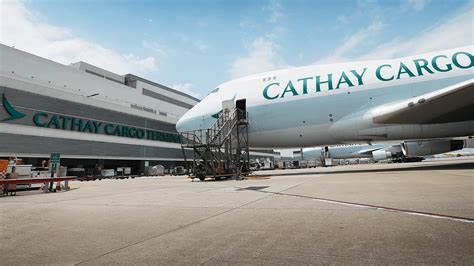
As production winds down, airlines are adapting through a combination of fleet conversion programs and diversified aircraft sourcing. Passenger-to-freighter conversions have become a critical part of the strategy, especially for extending the life of existing 767 airframes. These conversions provide a cost-effective way to maintain capacity without relying on new-build aircraft.
However, conversions come with inherent limitations. Converted aircraft typically have shorter remaining service lives, and their structural design was not originally optimized for cargo operations. While they fill an important gap, they cannot fully replicate the efficiency and durability of purpose-built freighters.
At the same time, some carriers are shifting toward newer widebody freighters from competing manufacturers to secure long-term capacity. This diversification reflects a broader recognition that the supply of mid-size freighters will tighten over time, creating a more competitive acquisition environment.
Environmental Regulation as the Defining Turning Point
The most decisive factor behind the production sunset is the evolving environmental framework governing aviation manufacturing. The industry is transitioning into a phase where efficiency metrics are not incremental improvements but regulatory requirements that define aircraft viability from the moment of certification.
For older platforms like the 767, this shift is particularly consequential. Even if the aircraft remains economically viable for operators, it must still comply with production certification standards. As those standards tighten, maintaining compliance becomes increasingly difficult without redesigning core structural elements.
This regulatory pressure effectively imposes a timeline on production. Instead of market saturation or declining orders, it is policy-driven constraints that determine the end date. The result is an unusual scenario in aviation: an aircraft exiting production while still widely demanded and operationally relevant.
The End of Manufacturing, Not the End of Relevance
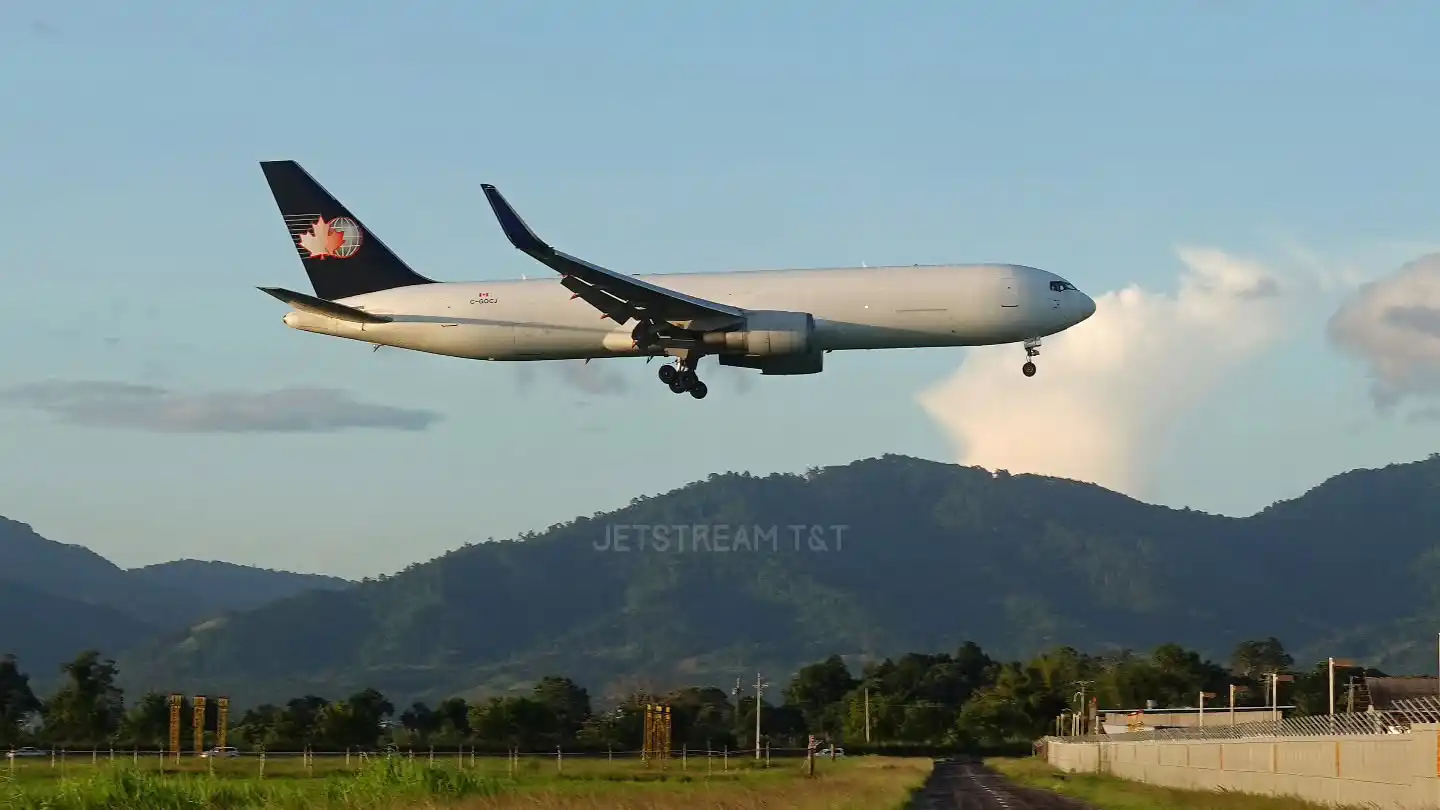
Even after production ceases, the Boeing 767-300F will continue to play a central role in global logistics for years, likely decades. Freighters are fundamentally different from passenger aircraft in their retirement cycles. Their value is tied to operational reliability and cost efficiency rather than cabin innovation or passenger appeal.
A vast global support ecosystem already exists around the aircraft. Maintenance infrastructure, pilot training pipelines, and spare parts networks are deeply embedded across major cargo hubs. This ecosystem significantly extends the aircraft’s usable life, making immediate replacement unnecessary and economically unattractive.
As a result, many existing 767 freighters are expected to remain in service well into the 2030s. Their continued presence will ensure continuity in global supply chains even as new production winds down.
A Quiet Transition Reshaping Global Cargo Aviation
The end of production marks a structural shift in the air cargo industry. It signals the closing of a chapter defined by highly optimized mid-size freighters that balanced cost, capacity, and flexibility in a way few aircraft have matched. The transition is not dramatic in appearance but profound in consequence.
Air cargo networks will increasingly rely on a combination of converted aircraft, larger next-generation freighters, and emerging designs yet to fully enter service. This diversification may improve efficiency in some areas but will also introduce complexity in fleet planning and route optimization.
What makes this moment particularly significant is the absence of a true replacement in the exact category the 767 dominated. That absence will shape procurement strategies, route economics, and aircraft development priorities for years ahead. In many ways, the aircraft’s legacy is not ending—it is being redistributed across an evolving and more fragmented market.
The production sunset of the most efficient mid-size freighter is therefore not a simple retirement story. It is a reflection of how technology, regulation, and market structure converge to reshape an entire industry, even when the aircraft itself remains as capable and relevant as ever.