Major North American airlines are scaling back operations in a sweeping retreat from U.S. routes, as weakened travel demand and high operational costs reshape the post-pandemic flight landscape. From Southwest and JetBlue to Air Canada and WestJet, the air travel sector is executing a drastic network overhaul, collectively canceling over 800 flights and eliminating at least 96 routes between May and December 2025. The strategic contraction underscores a critical industry pivot—one focused on protecting margins, consolidating operations, and adapting to shifting consumer behaviors.
Southwest Airlines Pulls Back Significantly in St. Louis
Southwest Airlines, the largest domestic carrier in the United States, is executing one of the sharpest capacity trims this summer, especially targeting St. Louis Lambert International Airport, a key Midwestern hub. Between June and August 2025, Southwest will cut 247 flights from St. Louis alone.
Long-haul western connections are most affected:
- San Jose, California: Cut from 92 flights in 2024 to just 5 in 2025.
- San Diego: Slashed by 41%, dropping 109 flights over three months.
- Portland, Oregon: Down by 49%, leaving only 26 flights in the schedule.
Although overall seat availability only declines by 0.5%, the directional shift is critical—Southwest is abandoning unprofitable long-haul corridors and redeploying aircraft to stronger revenue centers. The strategy reflects rising caution in markets that once saw optimistic growth projections.
JetBlue’s Total Withdrawal from Miami International
JetBlue Airways is making perhaps the boldest move of any U.S. airline in 2025: it is completely exiting Miami International Airport as of September 3. The airline will discontinue 14 daily flights, effectively eliminating connections to key cities like New York, Boston, Los Angeles, Newark, and Hartford.

Originally seen as a major South Florida foothold, JetBlue’s presence at MIA was strategic. However, the airline now cites increasing competition, stagnant demand, and strategic redirection as reasons for its departure. The fallout from JetBlue’s failed merger with Spirit Airlines has further weakened its positioning.
JetBlue maintains operations at Fort Lauderdale-Hollywood International and West Palm Beach, ensuring South Florida isn’t fully abandoned. The airline is now focusing its limited fleet resources on high-margin routes and cutting loose underperforming destinations—a strategy that follows its $208 million Q1 net loss.
American Airlines Tightens Its Belt Nationally and Internationally
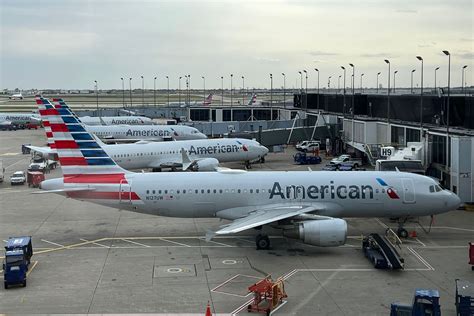
American Airlines is implementing widespread domestic route cuts. By August 2025, the airline will eliminate 70 weekly flights across 34 secondary city pairs—most of which have not returned to pre-pandemic demand levels.
Additionally, the seasonal Washington D.C.–Bermuda flight will end on August 5, while frequencies to and from Miami will be trimmed from daily to five times a week starting August 11. American’s strategy is clearly to maximize yield by focusing on strong-performing routes while minimizing exposure to inflation-sensitive, price-weary markets.
Air Canada Makes the Largest Cross-Border Flight Cuts
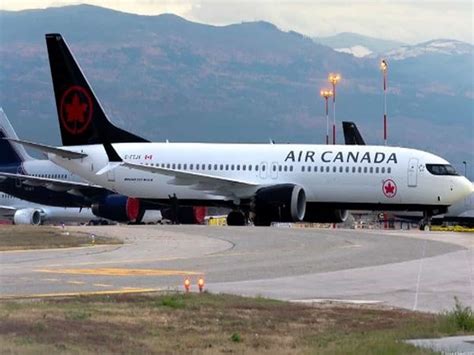
Air Canada is leading the retreat from trans-border routes to the United States. Between May and December 2025, the carrier will eliminate 468 flights, amounting to an 8.2% drop in U.S.-bound capacity.
Key route suspensions include:
- Montreal – Detroit
- Montreal – Minneapolis
- Toronto – Indianapolis
- Vancouver – Tampa
- Vancouver – Nashville
Additional reductions affect operations in Jacksonville, Orlando, Miami, Dulles, and San Francisco. Some have shifted from daily to weekly frequency, while others were removed entirely. These changes come amid weak demand, rising costs, and scrutiny over bilateral air agreements. Air Canada is redirecting capacity towards European and intra-Canada markets, which currently show better load factors and revenue potential.
WestJet Retreats from Over 20 U.S. Routes
Canada’s second-largest carrier, WestJet, has executed a significant downsizing in 2025, affecting more than 20 U.S.-bound routes. The move represents a tactical refocusing on domestic and transatlantic performance.
Key route impacts include:
- Vancouver – Orlando: Down to 1 weekly flight from 3
- Calgary – JFK: Frequency reduced
- Edmonton – Orlando: Suspended entirely
- Kelowna – Seattle: Stalled for the summer
- Winnipeg – Las Vegas/Los Angeles: Paused during seasonal transitions
WestJet will reevaluate these routes depending on U.S. market recovery, but for now, it has clearly deprioritized leisure-heavy cross-border segments in favor of better performing alternatives.
United Airlines Cuts 4% of Domestic Capacity
United Airlines has joined the scaling back trend by reducing 4% of its domestic seat capacity beginning in July 2025. Although United hasn’t released a complete list of affected routes, the internal data suggests several hundred flights are impacted across multiple hubs.
The airline has decided against network expansion this year and is doubling down on financial stability. With consumer spending still muted and business travel lagging, United is prioritizing route profitability and operational resilience over aggressive growth.
Spirit Airlines: Cutbacks After Merger Fallout
Spirit Airlines, the ultra-low-cost carrier, has pulled out of at least 12 U.S. domestic markets since January. These routes were largely focused on leisure destinations where competition from legacy carriers has intensified.
Without the JetBlue merger to fall back on, Spirit is struggling to remain viable. Rising operating costs, fare wars, and soft booking patterns have pushed Spirit into a phase of route rationalization and network shrinkage as it tries to return to profitability.
Silver Airways Shuts Down Entirely
In the most dramatic development, Silver Airways ceased all operations on June 11, 2025, grounding its fleet and pulling out of the entire U.S. market. The Florida-based regional carrier had relied on a niche model of serving smaller Southeast destinations using turboprops. Ultimately, financial instability and a lack of scale led to a full collapse.
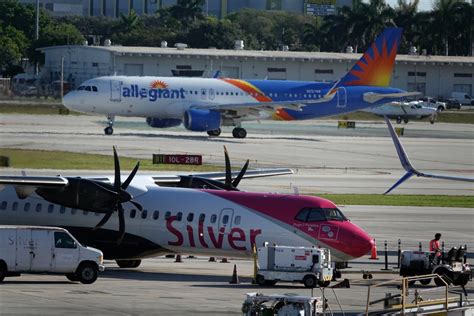
The closure leaves a significant connectivity void across small cities in the U.S. Southeast. With few competitors in the turboprop space and most legacy carriers uninterested in taking on those markets, passengers in affected areas may now have to travel longer distances just to reach viable airports.
Other Carriers Join in with Route Cuts
Other airlines are also trimming their U.S. presence:
- Avelo Airlines has dropped 4 routes.
- Porter Airlines has suspended 2 U.S. routes.
- Flair Airlines, another Canadian operator, has canceled 7+ U.S. routes.
The trend is consistent: carriers are becoming more selective and conservative about entering or maintaining U.S. market presence.
Total Impact: 800+ Flights Canceled, 96 Routes Axed
The final tally between May and December 2025 reflects a sweeping reset:
- Flights canceled: Over 800, with more expected.
- Routes eliminated: 96 across domestic and international U.S. operations.
This historic downsizing signals a new chapter for air travel. Airlines are preparing for a “leaner, smarter” operating model, targeting only the most profitable routes and minimizing exposure to volatility.
What It Means for Passengers in 2025
Travelers need to pay close attention to their bookings, as schedule disruptions, reroutes, and cancellations become more common. Passengers should:
- Monitor communications from airlines for changes.
- Be flexible with departure airports and travel dates.
- Plan for longer layovers or alternate routing if necessary.
More importantly, this trend may push airfares higher on surviving routes due to less competition, even if overall demand remains weak. The industry is adjusting to a more price-conscious, value-sensitive traveler base, and with fewer flights, even budget carriers are becoming selective in how they allocate resources.
Conclusion: A Reset of North American Aviation Strategy
From full shutdowns to seasonal route pauses, the 2025 airline network retraction across the U.S. and Canada reflects deeper economic shifts and cautious optimism. With over 800 flights canceled and 96 routes gone, the skies are quieter—but the strategies are sharper. As airlines work to restore financial health and long-term sustainability, travelers will feel the effects in fewer flight options, leaner schedules, and tighter competition for remaining seats.
The skies may not be as crowded, but the stakes have never been higher.