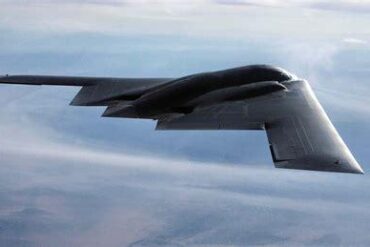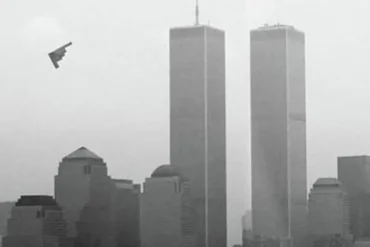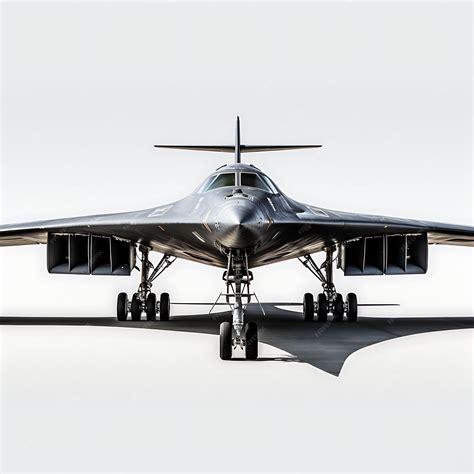
The B-2 Spirit Stealth Bomber remains one of the most advanced and secretive aircraft ever built by the United States. Designed to penetrate enemy air defenses and deliver nuclear or conventional payloads with absolute precision, the B-2 was born from Cold War urgency and decades of innovation. Unlike conventional bombers, it featured a tailless flying wing design and radar-evading stealth technology that turned it into a ghost in the skies.
While many know of the B-2’s capabilities, few understand when it was actually produced. The answer is rooted in a complex blend of military strategy, geopolitical change, and technological breakthroughs. The years of B-2 production—1989 to 2000—tell a story not just of engineering, but of changing priorities in American defense policy.
Origins in Cold War Secrecy: The Birth of a Phantom
The path to the B-2 Spirit began during the height of Cold War tensions. In the early 1970s, the United States feared a growing Soviet radar and missile capability. A need arose for a bomber that could fly long distances undetected, bypassing Soviet radar systems and hitting strategic targets at will.
This led to the Advanced Technology Bomber (ATB) program, a top-secret initiative that explored designs capable of radical stealth performance. A pivotal experimental aircraft—Tacit Blue—took flight in 1982. Though odd-looking, its curved surfaces and radar-absorbing characteristics were revolutionary. Tacit Blue proved that radar-defeating shapes could work in real-world applications, setting the foundation for what would become the B-2.
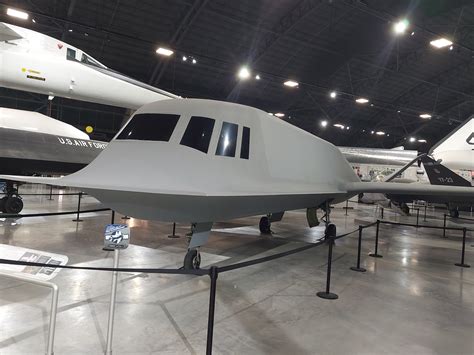
By 1976, the U.S. Department of Defense selected Northrop Corporation, later known as Northrop Grumman, to lead the development of this next-generation stealth bomber. Working under immense secrecy, Northrop engineers spent the next decade refining materials, radar-signature reduction, and aerodynamics, all without the public ever knowing what was coming.
The First Reveal: B-2 Spirit Goes Public in 1988
After over a decade of classified development, the B-2 was officially unveiled to the world on November 22, 1988, at Air Force Plant 42 in Palmdale, California. Even then, the aircraft was presented only from certain angles to avoid disclosing its full design. The public’s first glimpse was limited and tightly controlled. It wasn’t until July 17, 1989, that the B-2 took its first flight, marking a milestone in aviation history.
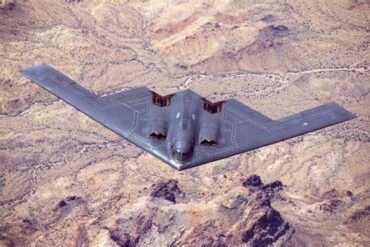
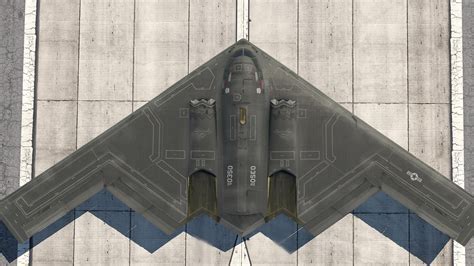
The B-2’s design was immediately recognized as radical. It lacked a tail, had a bat-like appearance, and used advanced radar-absorbent materials (RAM) to stay invisible to most tracking systems. The B-2 could carry 40,000 pounds of ordnance, including both conventional bombs and nuclear warheads.
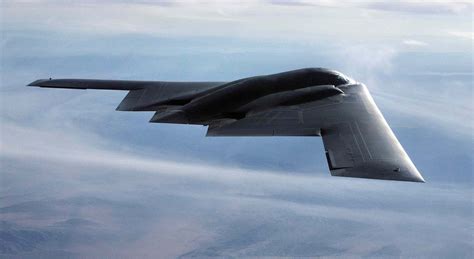
Its futuristic shape wasn’t just for aesthetics—it was a product of extensive wind tunnel testing, computational modeling, and engineering to minimize its radar cross-section. Combined with low observable coatings and heat signature management, the B-2 was nearly undetectable even to the most sophisticated air defense systems of the time.
Production Years: From 1989 to 2000
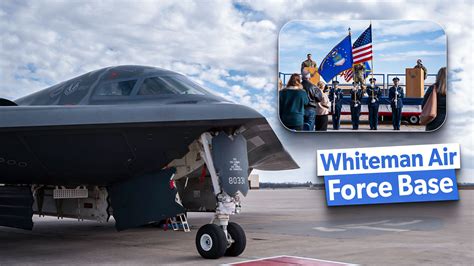
Once testing proved successful, the U.S. Air Force began production in 1989. The first operational B-2 was delivered on December 17, 1993, to Whiteman Air Force Base in Missouri. This base would remain the permanent home of the B-2 fleet.
Despite initial plans to build 132 units, only 21 B-2 bombers were constructed between 1989 and 2000. The program’s cost—estimated at over $2 billion per aircraft—combined with the fall of the Soviet Union in 1991, led to drastic cutbacks. As the Cold War ended, political support for such expensive defense projects weakened, and the B-2’s production was capped far below its original target.
Each bomber took years to manufacture, involving hand-laid composite materials, complex software systems, and state-of-the-art avionics. These weren’t just aircraft; they were airborne stealth fortresses.
Timeline of Key Milestones
- 1976: Northrop awarded the development contract for the Advanced Technology Bomber.
- 1982: Tacit Blue test aircraft proves radar-evading concepts.
- 1988: B-2 unveiled to the public.
- 1989: First flight of the B-2.
- 1993: First B-2 delivered to Whiteman AFB.
- 1997: B-2 declared combat-ready.
- 2000: Final B-2 bomber delivered.
Operational Use and Global Missions
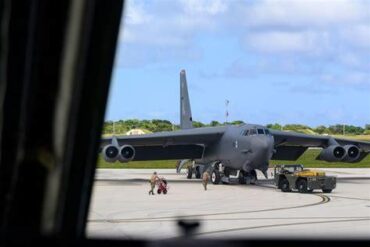
Though only 21 units were built, the B-2 bomber has had an outsized role in American military operations. One aircraft was designated as a dedicated test vehicle, and another crashed in 2008 at Andersen Air Force Base in Guam—the first B-2 ever lost. A second was recently retired following an accident in 2022 at Whiteman AFB.
As of 2025, only 19 B-2 bombers remain operational, all based at Whiteman AFB. Despite their limited number, the B-2s have participated in critical missions across the globe:
- 1999: Used in NATO bombing campaigns during the Kosovo conflict in Serbia.
- 2001–2003: Played roles in the early stages of the Iraq and Afghanistan wars.
- 2011: Supported operations in Libya.
- 2024–2025: Conducted long-range strikes in Yemen and Iran.
The B-2’s 6,000-nautical-mile range without refueling gives it unmatched global strike capability. With in-flight refueling, its reach becomes effectively unlimited. This allows it to take off from Missouri, strike a target across the world, and return home without stopping.
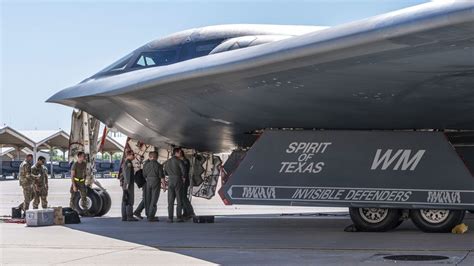
Its presence is not just tactical—it’s strategic. The mere deployment of a B-2 signals intent, power, and technological superiority. When the U.S. wants to project stealth-based deterrence, the B-2 is often the first call.
Why Only 21 Were Built: The High Cost of Invisibility
While the B-2 was a marvel of engineering, its production costs were simply astronomical. Each aircraft came with a price tag exceeding $2 billion, including research and development. Maintenance and upgrades further inflate this figure. Even today, the per-hour operational cost is among the highest of any military aircraft, requiring climate-controlled hangars and specialized technicians.
Originally, the Pentagon aimed to build over a hundred B-2s to replace the aging B-52 fleet. But by the mid-1990s, defense budgets were shrinking. The post–Cold War peace dividend reduced perceived need for such advanced strategic bombers, and political scrutiny over defense spending mounted. By 2000, production had ended after only 21 were delivered.
Despite this, the few B-2s built have proven invaluable. They combine stealth, endurance, and heavy payload capabilities into a single aircraft, something no other bomber in the U.S. arsenal could fully replicate—until now.
B-2’s Future and the Arrival of the B-21 Raider
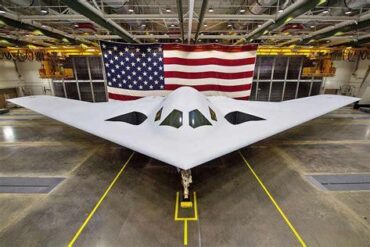
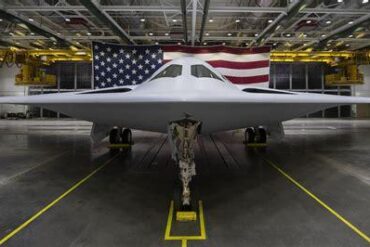
Though the B-2 remains a vital tool in the U.S. Air Force’s arsenal, its eventual replacement is already in the works. The B-21 Raider, also developed by Northrop Grumman, is expected to begin replacing the B-2 fleet in the 2030s. The Raider will improve on the B-2’s design with next-gen stealth materials, easier maintenance, and unmanned mission capability.
Still, the B-2 will likely continue flying for another decade. Ongoing upgrades—such as improved radar, weapons integration, and communications systems—are ensuring it stays relevant. The Air Force is investing heavily to keep the Spirit combat-ready until its final sortie.
Conclusion: A Legacy of Stealth and Strategic Dominance
The B-2 Spirit is not just another military aircraft—it’s a symbol of technological mastery and strategic deterrence. Its production run, limited to the years 1989 to 2000, resulted in only 21 aircraft, but their impact has been profound. Built during a transitional period in global politics, the B-2 bridged the Cold War and modern asymmetric warfare.
Even as the U.S. prepares for future airpower with the B-21 Raider, the B-2 continues to fly quietly, invisibly, and effectively—just as it was designed to. Every mission it undertakes reinforces its status as one of the most formidable warplanes ever created, built in the shadows, flying through them, and changing the course of global military strategy.