On the morning of November 27, 1989, Colombia was forever scarred by an act of unspeakable violence in the skies. Avianca Flight 203, a routine domestic passenger flight from El Dorado International Airport in Bogotá to Alfonso Bonilla Aragón International Airport in Cali, exploded in midair, killing all 107 people aboard and three on the ground. The Medellín drug cartel, under the reign of Pablo Escobar, orchestrated the attack in a ruthless attempt to assassinate presidential candidate César Gaviria.
The Aircraft and the Crew: An Overview of Avianca’s Boeing 727
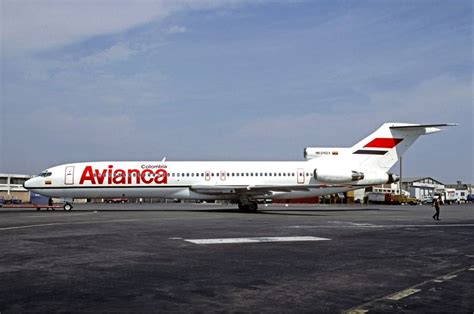
The aircraft at the center of this tragic event was a Boeing 727-21, registered HK-1803, originally delivered to Pan American World Airways in May 1966 under the tail number N326PA. After nearly a decade of service with Pan Am, the aircraft was acquired by Avianca in November 1975 and renamed with its final registration. The plane, manufactured with serial number 19035 and line number 272, had a long operational history before its destruction.
The flight was crewed by seasoned aviation professionals: Captain José Ignacio Ossa Aristizábal, First Officer Fernando Pizarro Esguerra, and Flight Engineer Luis Jairo Castiblanco Vargas. Accompanying them were three flight attendants, collectively responsible for 101 passengers on board.
The Flight: A Normal Takeoff, a Catastrophic End
Flight AV203 departed Bogotá at 7:13 a.m. local time. Climbing steadily, the aircraft reached an altitude of 13,000 feet within just five minutes and was cruising at a speed of 794 kilometers per hour. What happened next was both instantaneous and catastrophic.
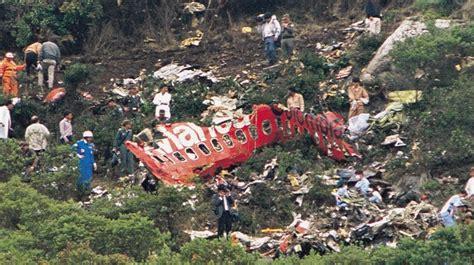
A bomb detonated in the central fuel tank beneath the passenger seats, causing a fiery explosion that ignited fuel vapors. Eyewitnesses in the town of Soacha reported seeing fire erupt from the right side of the fuselage. Moments later, a second blast tore the aircraft apart midair. The nose and tail sections separated violently, and flaming debris rained down across a 4.8-kilometer radius.
All 107 people on board perished. Three civilians on the ground were also killed by falling debris. The impact was immediate and absolute. Colombia, already mired in conflict, had never witnessed such a chilling spectacle of terror in the skies.
The Conspiracy: Medellín Cartel’s Deadly Political Play
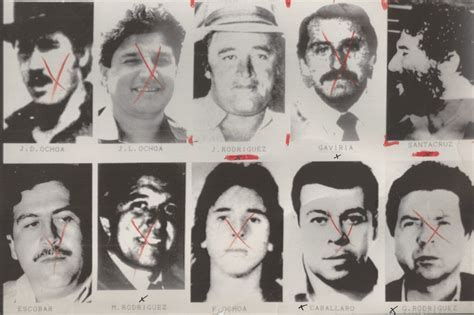
Investigators quickly determined the explosion had been caused by plastic explosives. All signs pointed toward the notorious Medellín cartel, led by the infamous Pablo Escobar. The motivation behind this bombing was clear and chilling: the assassination of César Gaviria, a promising presidential candidate who was seen as a serious threat to cartel interests.
Escobar’s operatives executed a calculated plan. Two men in suits, believed to be cartel members, boarded the plane and took seats 18A and 18K, located directly above the central fuel tank. As the final boarding calls echoed through the terminal, one of the men exited the aircraft. The other, or possibly a third man — Alberto Prieto, a young and unassuming Colombian — was left onboard. Prieto, later dubbed “El Suizo” or The Swiss, had been deceived into believing the device was merely a tape recorder meant to capture a couple’s conversation.
He activated the device, likely without understanding its true nature, becoming an unwitting suicide bomber in a tragedy that would forever bear his name. César Gaviria, however, was not on board. His survival changed the political landscape — he went on to win the 1990 presidential election, becoming a central figure in Colombia’s war against narcoterrorism.
Aftermath and International Fallout
The impact of the bombing reverberated far beyond Colombia’s borders. Among the dead were two American citizens, prompting the Bush administration to escalate efforts to target and dismantle Escobar’s network. In response, elite units from the U.S. Intelligence Support Activity were deployed to coordinate with Colombian forces.
The horror did not stop there. Just nine days later, the Medellín cartel was linked to another act of mass violence: the DAS Building bombing in Bogotá, which killed 63 people and wounded hundreds. The message was clear — Escobar was willing to wage total war to prevent extradition to the United States and silence his enemies.
In 1994, cartel hitman Dandeny Muñoz Mosquera, known by the alias “La Quica”, was convicted in a U.S. District Court of participating in the bombing of Flight 203 and several other murders. He was sentenced to 10 consecutive life terms, becoming one of the highest-profile cartel operatives ever imprisoned in the United States.
A Contested Narrative: Revisiting the Explosion Years Later
More than two decades later, in November 2016, Colombian newspaper El Espectador ignited controversy by publishing an eight-part investigative report challenging the established account of the bombing. The series claimed that the explosion may have been caused by a malfunctioning fuel pump rather than a bomb.
According to the report, the aircraft had experienced several prior issues with its central tank fuel pump, potentially leading to a flammable vapor buildup and subsequent detonation. The investigative team presented technical logs and maintenance reports as evidence.
The reaction was swift and unforgiving. Avianca vehemently denied the claims, and families of the victims condemned the report as an affront to justice and memory. For them, the truth had long been confirmed — the bombing was a brutal terrorist act, not an accident. To question it was to obscure the pain and political terror of that era.

Cultural Echoes: Avianca Flight 203 in Popular Media
The tragedy of Flight 203 did not fade from public consciousness. Its legacy was cemented in popular culture, notably dramatized in the critically acclaimed Netflix series Narcos. In Season 1, Episode 6, the bombing of Flight 203 is portrayed as a turning point in Pablo Escobar’s reign of terror, signaling his descent into increasingly violent and indiscriminate tactics.
Though dramatized, the episode echoed the historical reality: Escobar had crossed a line that could not be uncrossed. The attack on civilians, including innocent children and foreign nationals, removed any remaining ambiguity about the cartel’s nature.
A Tragedy Etched in History
The bombing of Avianca Flight 203 remains one of the most horrifying acts of airborne terrorism in Latin America’s history. It was more than a plane crash; it was a calculated political assassination attempt that turned a domestic flight into a national tragedy. It marked a point of no return in Colombia’s decades-long conflict with narcotrafficking empires.
The legacy of Flight 203 lives on — in the scars of those who lost loved ones, in the tightening of aviation security, and in the relentless pursuit of justice against those who orchestrated mass murder from the shadows. For Colombia, it remains a searing reminder of the cost of unchecked criminal power and the resilience of a nation determined to reclaim its future.