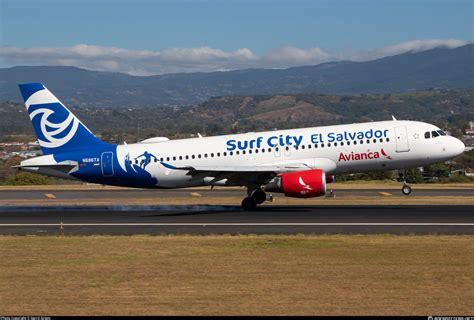
Avianca El Salvador, operating under the esteemed banner of the Avianca Group, stands as the flag carrier of El Salvador, a testament to a rich and enduring history in Latin American aviation. Originally founded as Transportes Aéreos del Continente Americano, S.A., and widely known for decades as TACA International Airlines, this airline has navigated nearly a century of transformations, challenges, and triumphs. From its pioneering origins to its current role as a key player within one of the continent’s largest airline conglomerates, Avianca El Salvador embodies a spirit of resilience and adaptation, connecting nations and cultures across the Americas. Its journey reflects not only the evolution of an airline but also the dynamic shifts in the global aviation landscape, particularly within the vibrant and competitive Latin American market.
The Dawn of an Airline: Lowell Yerex and the Birth of TACA (1931–1980)
The story of Avianca El Salvador begins in 1931 in Honduras, with the founding of Transportes Aéreos Centroamericanos (TACA) by Lowell Yerex, a visionary Royal Flying Corps veteran from New Zealand. Yerex’s ambition was not merely to start an airline but to weave a network of air transport across Latin America. Initially, TACA focused on the burgeoning air cargo market, a critical service in a region where ground transportation was often challenging and underdeveloped. The airline commenced operations with a single-engine Stinson aircraft, a modest beginning for what would become an aviation powerhouse. These early aircraft proudly displayed the XH Mexican registration, later transitioning to the HR designation. By 1940, recognizing the growing demand for passenger travel, TACA expanded its services to include passenger flights, marking a significant step in its evolution.
Yerex envisioned a constellation of TACA-branded airlines, including Aerovias Brasil in Brazil and similar ventures in Mexico, Venezuela, and Colombia. While many of these offshoots eventually faded or were absorbed by other entities, TACA International of El Salvador proved to be the most resilient and enduring. A pivotal moment came in 1945 when Yerex departed from the company. Subsequently, TACA relocated its headquarters to the Republic of El Salvador, a move that heralded an era of modernization and strategic expansion. The company established investment groups in various Latin American countries, often selling these interests to domestic airlines; for instance, TACA Honduras was sold to SAHSA. TACA was then formally organized as an international entity based in San Salvador, operating under the name TACA International.
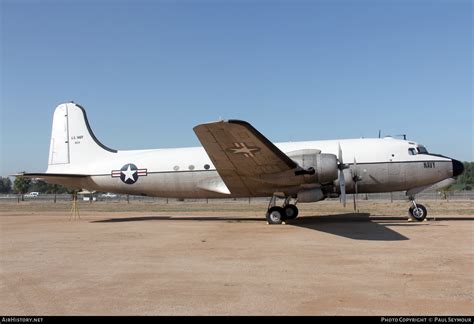
The post-war years, spanning the 1940s and 1950s, witnessed TACA’s strategic fleet upgrades. The airline progressively acquired larger and more capable piston-engine airliners, including the venerable Douglas DC-3 and the robust Douglas DC-4. These aircraft were instrumental in expanding its route network across the Americas. To further enhance its passenger services and extend its reach, TACA later introduced the Vickers Viscount, a British-made turboprop passenger airliner renowned for its comfort and performance. The jet age arrived for TACA International on December 28, 1966, with the inauguration of its first jet, a BAC One-Eleven. This sleek British twinjet served the airline faithfully until June 1, 1988, when it was gradually phased out in favor of the more modern Boeing 737-200. Concurrent with its passenger service development, TACA Air Cargo also flourished, notably operating the Lockheed L-188 Electra, a four-engine turboprop airliner, for freight flights, including crucial routes to Miami, Florida, starting in 1976.
Navigating Growth and Consolidation: The Kriete Era and Grupo TACA (1980–2009)
The 1980s marked a significant transition for TACA International. Until 1980, the airline was owned by a United States company. However, the Kriete Family of El Salvador, who initially held a minority stock, eventually acquired all the shares, bringing the airline under Salvadoran ownership. Due to the civil war raging in El Salvador during this period, the corporate headquarters were temporarily relocated to New Orleans, Louisiana. Despite these challenges, TACA continued its expansion. A route map from July 1983 shows the carrier operating jet services from Central America to four key U.S. destinations: Houston, Los Angeles, Miami, and New Orleans. The airline also undertook substantial fleet modernization during the 1980s, replacing older turboprops and the BAC One-Eleven jetliners with more efficient aircraft. This included the introduction of the Boeing 737-200 Advanced and later the Boeing 737-300, a member of the popular Boeing 737 Classic series. Further enhancing its long-haul capabilities, TACA later operated wide-body Boeing 767s on its scheduled passenger services, including international flights to major hubs like Los Angeles and Miami.
A defining period of strategic growth occurred between 1990 and 1995 when TACA International embarked on an ambitious plan to consolidate regional aviation. The airline acquired majority shares in the flag carriers of neighboring countries: Aviateca (Guatemala), LACSA (Costa Rica), and Nicaragüense de Aviación (Nicaragua). These acquisitions led to the formation of Grupo TACA, a new brand group that unified operations and expanded the airline’s collective footprint across Central America. In the 1990s, TACA International distinguished itself by becoming the launch customer and principal user of the Airbus A320 in Latin America. These state-of-the-art aircraft were pivotal in replacing the aging Boeing 737-200 and the 737-300/-400 series aircraft, which were gradually retired by 1999. This move signaled TACA’s commitment to operating a modern and efficient fleet.
In 1992, TACA forged a strategic alliance with Panama-based Copa Airlines. This collaboration led to TACA initiating flights to Tocumen International Airport in Panama City, transforming it into the first major flight connection center in Latin America, famously dubbed the “Hub of the Americas.” This alliance facilitated the integration of several Latin American airlines and significantly enhanced connectivity within the region. The agreement concluded in 1998 after its six-year term expired. However, this period was also marked by tragedy. On August 9, 1995, Aviateca Flight 901, a Boeing 727 operated under the Grupo TACA umbrella, crashed into the San Vicente volcano while on approach to Comalapa International Airport in El Salvador, resulting in the loss of all 65 people on board. The Salvadoran Civil Aviation Authority determined the probable cause to be the flight crew’s “lack of situational awareness” concerning the volcano and deficiencies in the airline’s crew resource management program. As Aviateca’s parent company, TACA International faced lawsuits from the victims’ families, all of which were eventually settled out of court.
Undeterred, Grupo TACA continued its expansion. In 2001, with established hubs in San Salvador and San José, Costa Rica, the airline set up an operations base in Lima, Peru, its first in South America. This led to the founding of TACA Perú, in which TACA held a 49% stake, further extending the group’s reach throughout the continent. In 2005, TACA became one of the founding members of the Mexican low-cost carrier Volaris. The same year, TACA achieved another milestone by becoming the first airline in Latin America to operate the Airbus A321, a larger variant of the successful A320 family. By 2008, the board of directors decided to revert to the original and widely recognized name, TACA International, as the consolidation of the acquired airlines was largely complete. The airline’s headquarters triumphantly returned to San Salvador, El Salvador, housed in a new, modern building inaugurated shortly thereafter. This period also saw a comprehensive renovation of its corporate image. Adding to its modern fleet, TACA became the second airline in Latin America to operate the Brazilian-made Embraer 190 regional jet in 2008, enhancing its flexibility on short to medium-haul routes.
The Path to Synergy: AviancaTACA and Star Alliance Membership (2009–2012)
The Latin American aviation landscape was ripe for consolidation, and on October 7, 2009, a landmark announcement heralded a new era: TACA International would merge its assets in a strategic alliance with the Colombian flag carrier, Avianca. This was a transformative move, creating one of the largest airline groups in the region. Under the terms of the agreement, both Avianca and TACA would initially maintain their distinct trademarks and operations while working towards full integration. The combined entity, AviancaTACA, boasted a formidable fleet of 129 aircraft, serving over 100 destinations across numerous countries in the Americas and Europe. The Colombian Civil Aeronautical Agency granted its approval for the merger in December 2009, paving the way for a new aviation powerhouse. This merger was widely seen as a significant step in the ongoing consolidation trend within the Latin American airline sector, aiming to create stronger, more competitive carriers capable of challenging global giants.
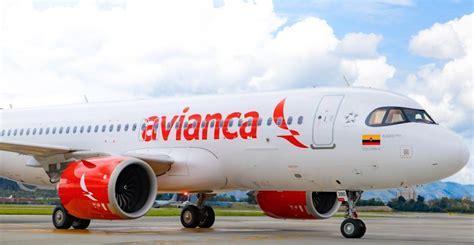
Further solidifying its commitment to modernization and efficiency, in June 2011, AviancaTaca signed a Memorandum of Understanding (MoU) for 51 Airbus A320 family aircraft. This landmark order included 33 eco-efficient Airbus A320neos, making it the largest single order for the A320neo in Latin America at the time. This significant investment underscored the group’s long-term vision for a technologically advanced and environmentally conscious fleet. A crucial development in its global positioning came on November 10, 2010, when Star Alliance, one of the world’s leading airline alliances, announced that Avianca and TACA International were slated to become full members. This prestigious membership was officially realized in mid-2012, granting passengers of both airlines access to a vast global network, reciprocal frequent flyer benefits, and enhanced travel options worldwide. Joining Star Alliance elevated the profile of AviancaTACA, placing it firmly on the international stage alongside some of the world’s most respected airlines.
The Final Chapter for TACA: Integration and the Rise of Avianca El Salvador (2012–Present)
The culmination of the merger process occurred on May 21, 2013, when Avianca and TACA officially completed their integration. The preceding day, May 20, 2013, marked the symbolic end of an era. Just before midnight, TACA International began the poignant process of removing all signage bearing the iconic TACA logo from airports across its extensive network in the United States, Canada, Mexico, Central America, South America, and the Caribbean. The last flight to operate under the TACA callsign took place on this historic day. TACA Flight 566 departed from El Salvador International Airport bound for John F. Kennedy International Airport in New York City. It left San Salvador at 7:50 pm MST and landed in New York at 2:35 am EST, two hours and thirty-five minutes after the official rebranding, meaning it departed as TACA and landed as Avianca. The final official TACA flight to bear the TACA callsign for its entire duration was TACA Flight 520 from San Salvador to Los Angeles, which departed at 7:20 p.m. MST and landed at 11:50 p.m. PDT.
The dawn of May 21, 2013, saw the first flights operating under the new identity. Avianca El Salvador Flight 561 from San Francisco to San Salvador, departing at 1:25 a.m. PDT and landing at 7:55 a.m. MST, was among the first. This was closely followed by Avianca El Salvador Flight 521 from Los Angeles to San Salvador. The decision to unify under a single brand had been announced earlier, on October 10, 2012, when AviancaTaca’s CEO, Fabio Villegas, explained that the TACA trade name would disappear from public view, with all promotion and marketing strategies consolidated under the Avianca brand. This was projected to occur in the first half of 2013. While the TACA name was retired for branding purposes, Avianca El Salvador, the legal entity, continued to operate, initially using the IATA code TA, the ICAO code TAI, and the callsign “TACA” for its flights. However, on January 1, 2024, Avianca El Salvador transitioned to using Avianca’s IATA code AV.
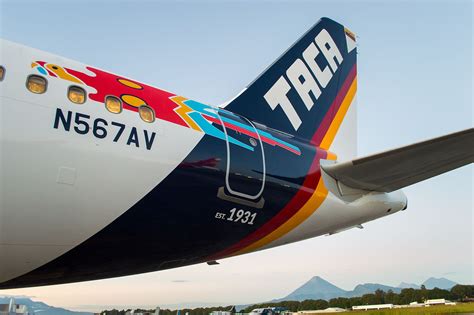
The integration process was not without its challenges. In May 2013, as part of the post-merger restructuring, AviancaTaca Holding downgraded the Juan Santamaría International Airport hub in San José, Costa Rica, to a base of operations. This strategic shift involved the discontinuation of more than five non-stop routes previously operated by TACA to and from San José, including all flights to cities in the United States. This decision resulted in over 200 employees losing their jobs, equivalent to about 20% of the airline’s workforce in Costa Rica. The move sparked considerable controversy in Costa Rica and led to an extensive investigation by the country’s civil aviation authorities against the holding company. Despite the brand transition, the legacy of TACA continues to be honored. In a nostalgic nod to its rich past, Avianca painted one of its Airbus A320s (registration N567AV) in TACA Airlines’ distinctive 1990s livery in November 2022, a visual tribute to the airline that once soared across the skies of the Americas under its own iconic name.
Avianca El Salvador: Current Operations and Network
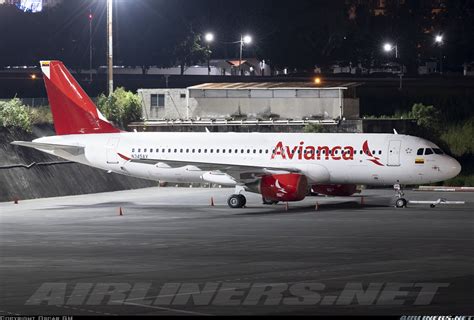
Today, Avianca El Salvador operates as a vital component of the Avianca Group, with its headquarters located at Avenida El Espino in Antiguo Cuscatlán, El Salvador. The airline holds Air Operator’s Certificate (AOC) # COA-002-TA. While it now primarily uses the Avianca branding and the AV IATA code, its operational roots as TACA are still evident in its ICAO airline designator TAI. The airline’s primary hub remains Monseñor Óscar Arnulfo Romero International Airport (SAL) in San Salvador, which continues to be a strategic connection point for flights throughout the Americas. Juan Santamaría International Airport (SJO) in San José, Costa Rica, serves as a focus city.
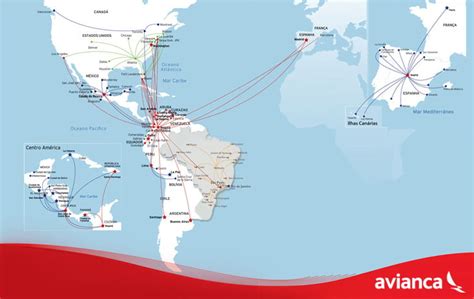
Avianca El Salvador serves a wide range of destinations across North, Central, and South America. Its network facilitates crucial links for business and leisure travel, connecting El Salvador and the wider Central American region to major international gateways. Key destinations include:
- North America: Flights to major U.S. cities such as Los Angeles (LAX), New York (JFK), Washington D.C. (IAD), Houston (IAH), Dallas (DFW), Miami (MIA), San Francisco (SFO), and Orlando (MCO, seasonal). Canadian services include Toronto (YYZ) and seasonally Montreal (YUL). It also serves Mexico City (MEX) and Cancún (CUN).
- Central America and Caribbean: Strong presence with flights to Guatemala City (GUA), San Pedro Sula (SAP) and Palmerola (XPL) in Honduras, Managua (MGA) in Nicaragua, and Panama City (PTY) in Panama. Historically, it also served Belize City, Roatán, Tegucigalpa, and Havana.
- South America: Connections to Bogotá (BOG) and Medellín (MDE) in Colombia, Guayaquil (GYE) and Quito (UIO) in Ecuador, and Lima (LIM) in Peru. Terminated routes include Cali and Cartagena in Colombia.
Avianca El Salvador benefits from codeshare agreements with partner airlines, including its parent Avianca, Iberia, and fellow Star Alliance member United Airlines, further expanding its effective network and providing passengers with more seamless travel options.
Fleet Evolution: From Classic Props to Modern Jets
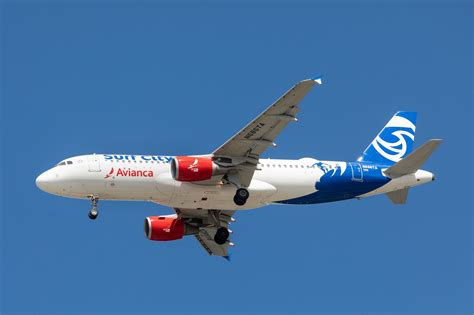
Avianca El Salvador’s fleet has undergone a dramatic transformation throughout its history, reflecting technological advancements and strategic operational needs. As of October 2024, the airline operates a modern, streamlined fleet primarily composed of Airbus narrow-body aircraft:
- Airbus A320-200: 1 aircraft, typically configured with 12 Business Class (W), 60 Economy Plus (Y+), and 108 Economy (Y) seats, totaling 180 passengers.
- Airbus A320neo: 5 aircraft, known for their enhanced fuel efficiency and passenger comfort, forming the backbone of the current fleet.
The total in-service fleet consists of 6 aircraft. This focused fleet strategy allows for operational efficiencies in maintenance and crew training.
Over its many decades of operation as TACA International and now Avianca El Salvador, the airline has flown a remarkably diverse array of aircraft. The former fleet is a veritable museum of aviation history:
- Piston Engine Era: Bellanca CH-300 Pacemaker, Bellanca CH-400 Skyrocket, Beechcraft 17, Curtiss C-46 Commando, Douglas C-47 Skytrain, Douglas C-54 Skymaster, Douglas DC-4, Douglas DC-6, Ford 5-AT Tri-Motor, Grumman G-21 Goose, Kreutzer K-5 Air Coach, Lockheed Model 18 Lodestar, Metal Aircraft Flamingo, Stinson Model O, Stinson Model U.
- Turboprop Era: Vickers Viscount, Lockheed L-188A Electra, Canadair CL-44 (cargo).
- Early Jet Era: BAC One-Eleven (Series 400 and 500).
- Modern Jet Era (Boeing): Boeing 737-200, Boeing 737-300, Boeing 737-400, Boeing 767-200, Boeing 767-200ER, Boeing 767-300ER.
- Modern Jet Era (Airbus & Embraer): Airbus A300B4-200F (cargo, operated by JHM Airlines Cargo), Airbus A319-100, Airbus A321-200, Embraer 190AR.
- Business Jets: Cessna Citation I.
This extensive list showcases TACA’s journey from early mail and cargo planes to sophisticated intercontinental jets, adapting to changing market demands and technological progress. The transition to an all-Airbus narrow-body fleet under Avianca El Salvador reflects the group’s broader fleet standardization strategy.
Loyalty Rewarded: The LifeMiles Program
Following the merger with Avianca, the frequent-flyer program for passengers of the former TACA International became LifeMiles. This program, launched in 2009 as part of the integration, replaced TACA’s legacy “Distancia” program. LifeMiles is a comprehensive loyalty scheme that allows members to earn and redeem miles across the Avianca network, as well as with numerous Star Alliance partners and other affiliated businesses. It offers various elite tiers with escalating benefits, such as lounge access, priority boarding, and extra baggage allowance, significantly enhancing the travel experience for loyal customers.
A Record of Safety and Notable Incidents
Throughout its long operational history, Avianca El Salvador (and its predecessor TACA) has maintained a focus on safety, though like many long-standing airlines, it has experienced accidents and incidents. These events have often led to enhanced safety protocols and operational reviews.
One of the most widely publicized incidents was TACA Flight 110 on May 24, 1988. A Boeing 737-300 (N75356) en route to New Orleans encountered severe weather, leading to a double engine flame-out due to massive water ingestion. The pilots skillfully executed an unpowered landing on a grass levee at the NASA Michoud Assembly Facility in New Orleans, with no injuries to the 45 passengers and crew. This incident highlighted issues with engine design certification standards for water ingestion in severe thunderstorms.
On April 5, 1993, TACA Flight 510, a Boeing 767-200ER (N767TA), overran the runway at Guatemala City’s La Aurora International Airport. The aircraft was unable to brake effectively on the flooded runway, leading to significant damage but fortunately no fatalities among the 236 people on board, though some sustained injuries.
Another significant event was TACA Flight 390 on May 30, 2008. An Airbus A320-200 (EI-TAF) overran the notoriously challenging runway at Toncontín International Airport in Tegucigalpa, Honduras, during heavy rain. The aircraft went down an embankment and onto a street. Tragically, this accident resulted in five fatalities, including the captain and two passengers on board, as well as two individuals on the ground. Sixty-five others were injured. This incident brought renewed scrutiny to the operational limitations of Toncontín Airport.
Other notable occurrences include:
- March 5, 1959: A Vickers Viscount (YS-09C) crashed after takeoff from Managua, Nicaragua, due to port engine failure, killing 15 of 19 on board.
- April 24, 1995: A Cessna Citation I (N120ES) undershot the runway on approach to Comalapa International Airport in San Salvador, colliding with trees. Both crew members survived.
These incidents, while tragic, have contributed to the body of knowledge in aviation safety, leading to improvements in pilot training, air traffic control procedures, and aircraft technology.
Enduring Legacy and Future Horizons
Avianca El Salvador, born from the pioneering spirit of TACA International Airlines, carries a profound legacy that spans the breadth of Latin American aviation history. From its humble beginnings with single-engine planes to its current status as an integral part of the Avianca Group operating modern Airbus jets, the airline has consistently demonstrated an ability to adapt, innovate, and connect the Americas. While the TACA name may have transitioned into aviation history, its spirit lives on in Avianca El Salvador, which continues to serve as a vital link for El Salvador and the region, upholding a tradition of service that is rapidly approaching a century. As part of a larger, consolidated airline group, Avianca El Salvador is positioned to navigate the complexities of the modern aviation industry, contributing to the economic and cultural exchange across the continents it serves.