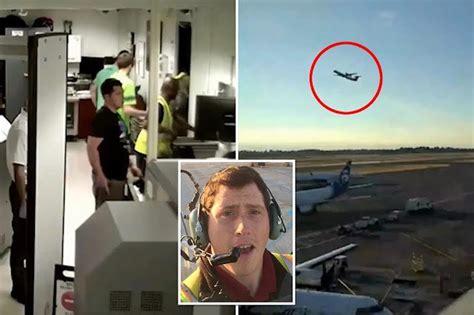
The story of Richard Russell is not merely an aviation anomaly—it is a deeply human tragedy wrapped in an act so surreal it felt almost cinematic in real time. On an otherwise ordinary summer evening in 2018, a ground service agent with no formal flight training commandeered a commercial turboprop aircraft and launched himself into the skies above Washington State. What followed was a haunting 71-minute journey that gripped millions worldwide, blending disbelief, tension, and an unsettling intimacy between a lone man and the voices guiding him from the ground.
The aircraft at the center of this extraordinary event was a Bombardier Q400 operated by Horizon Air on behalf of Alaska Airlines. Parked quietly at Seattle-Tacoma International Airport, the plane was never meant to leave that evening. Yet through a series of calculated actions and insider familiarity with ground operations, Russell turned a routine workday into one of the most bizarre aviation incidents in modern history.
A Quiet Worker With Unseen Turmoil
Before that fateful day, Russell’s life appeared outwardly stable. Born in Key West and later raised in Alaska, he eventually settled in Washington with his wife, building a life grounded in routine. His role as a ground service agent involved physically demanding but technically limited responsibilities—handling baggage, de-icing aircraft, and towing planes across the tarmac.
Yet beneath this ordinary exterior lay emotional complexities that would only become apparent during his final flight. The man who would soon become known globally as “Beebo” was not driven by ideology, profit, or terror. Instead, his actions revealed a deeply personal unraveling, expressed not through violence toward others, but through a solitary, irreversible act.
The Unauthorized Takeoff That Defied Logic
Russell’s access to specialized ground equipment allowed him to reposition the Q400 from a cargo area toward the runway. It was a maneuver that required knowledge—but not necessarily piloting skill. What stunned aviation experts was what came next: he successfully initiated takeoff procedures and lifted a 33-million-dollar aircraft into the air without formal training.

Witnesses described the aircraft accelerating aggressively, with smoke trailing from its tires as it broke from the runway. Air traffic control scrambled to establish communication, initially receiving silence before finally connecting with Russell mid-flight. What followed was one of the most chilling and oddly human exchanges ever recorded in aviation history.
A Conversation That Revealed Everything
As Russell flew toward the rugged expanse of the Olympic Mountains, his voice over the radio painted a picture far more compelling than the act itself. Calm, apologetic, even humorous at times, he spoke candidly about his regrets, his relationships, and his own mental state.
He acknowledged the people who cared about him and expressed remorse for the disappointment he knew he would cause. The controllers, trained for crisis management, found themselves in an unprecedented situation—not negotiating with a terrorist, but attempting to guide a distressed individual through an impossible scenario.
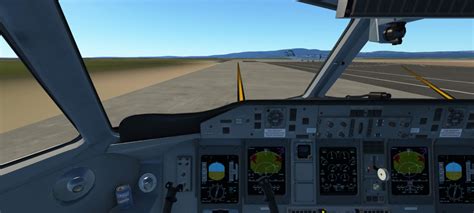
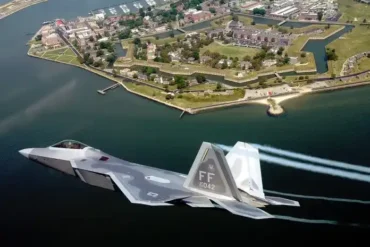
Meanwhile, fighter jets from the Oregon Air National Guard were deployed under the coordination of NORAD. Despite their presence, there was no indication Russell intended harm to others. His flight path avoided densely populated areas, reinforcing the sense that this was an intensely personal act rather than a broader threat.
Aerobatics and the Illusion of Control
Perhaps the most astonishing moment came when Russell performed a barrel roll—a maneuver that even experienced pilots approach with caution. That a self-taught individual could execute such a move in a complex turboprop aircraft stunned experts and ignited debates about simulator training and aircraft accessibility.
Yet this moment of aerial spectacle only deepened the tragedy. It created a fleeting illusion of mastery and control, masking the inevitable conclusion that Russell himself seemed to accept. His statements suggested he had no intention of landing the aircraft, transforming the flight into a symbolic final chapter rather than an escape.
The Final Descent Over Ketron Island
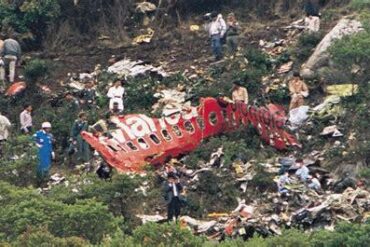
After more than an hour in the air, the flight came to an end near Ketron Island. The aircraft crashed into a sparsely populated area, sparing lives on the ground but destroying the plane entirely and ending Russell’s life instantly.
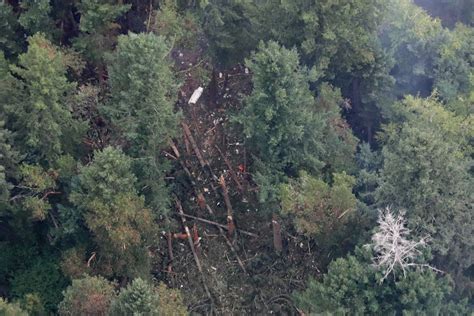
The aftermath left investigators, aviation professionals, and the public grappling with a haunting question: how could such an event happen—and what did it reveal about human vulnerability within highly controlled systems?
From Real-Life Tragedy to Streaming Spotlight
The enduring fascination with this incident has now culminated in a documentary adaptation titled SkyKing: Panic In The Sky, released through Hulu as part of the broader Disney+ ecosystem. Unlike sensationalized retellings, this production delves into the emotional and societal undercurrents that defined the event.
Through interviews with family members, colleagues, and aviation experts, the documentary reconstructs not just the timeline, but the psychological landscape of Russell’s final hours. Previously unseen footage and audio recordings add depth to a story already rich with complexity, offering viewers a more intimate understanding of the man behind the headlines.
A Story That Resonates Beyond Aviation
What makes this story endure is not the mechanics of the theft or the improbability of the flight—it is the raw humanity embedded within it. Russell’s actions forced a global audience to confront uncomfortable truths about isolation, mental health, and the unseen struggles that can exist behind ordinary lives.
In transforming this real-life event into a cinematic narrative, Disney+ and Hulu have not simply revisited an aviation mystery. They have amplified a deeply personal story that continues to echo across industries and audiences alike, reminding us that even in the most controlled environments, the human element remains unpredictable—and profoundly impactful.