Helicopters, often seen as the pinnacle of high-cost aviation, carry an aura of exclusivity and intrigue. This fascination sometimes prompts the question: is helicopter theft common? The reality, as we explore in detail, is far more nuanced and considerably less dramatic than many might imagine.
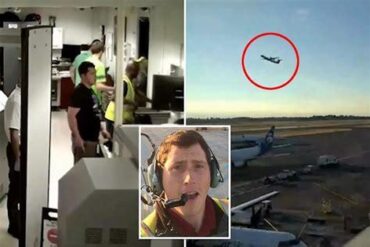
In early 2024, a shocking news story emerged from Cairns, Australia, where an unauthorized tourist helicopter was taken from an airport. The illicit flight ended in tragedy, crashing onto a hotel roof and killing the unlicensed pilot. This high-profile case reignited public curiosity about how often helicopters are stolen and what practical barriers exist to such crimes.
The Mechanics of Starting and Flying a Helicopter
One might assume that stealing a helicopter requires deep technical expertise. Surprisingly, starting many modern helicopters, especially turbine-powered models with FADEC (Full Authority Digital Engine Control), is relatively straightforward. As aviation experts point out, someone mechanically inclined can often get the engine running by following basic steps:
- Switch the battery on.
- Open the fuel valve.
- Engage the starter button.
These steps mimic the simplicity of turning a car’s ignition, lulling some into the false belief that piloting a helicopter is equally approachable. Once airborne and moving forward, it is technically possible for someone with fixed-wing experience or simulation training to maintain level flight briefly. However, this is where the ease ends—and the reality of helicopter dynamics sets in.
Hovering: The Ultimate Skill Barrier
The true challenge lies in hovering and the transition between hover and forward flight. These maneuvers are highly non-intuitive and demand extensive hands-on training. Instructors consistently report that new students—no matter how experienced with airplanes or simulators—struggle immensely when attempting to hold a hover.
A vivid anecdote from a flight instructor reveals how even basic attempts at hovering can go wrong. During one lesson, an instructor had to hold the cyclic steady with his knee while the student overcompensated wildly, causing the helicopter to pitch and yaw uncontrollably. Another instructor recounted how a fixed-wing pilot, overconfident from reading manuals, ended up sliding and spinning helplessly on the tarmac during a 30-minute trial session.
The gap between simulation and reality is profound. Even pilots with hundreds of hours in fixed-wing aircraft and extensive simulator time frequently discover that real-world helicopter control is far more difficult than expected. Videos of self-taught enthusiasts attempting to hover often end in catastrophic failure, underscoring the fact that without professional instruction, successful helicopter flight is nearly impossible.
The Market Realities of Helicopter Theft
Beyond the technical barriers, logistical and market realities make helicopter theft extremely impractical. Helicopters are built with expensive, certified parts that carry detailed, traceable histories. Unlike cars, where stolen parts can be sold off piecemeal in the black market, helicopter components require complete and verifiable documentation to retain value. Without the proper paperwork, even high-value parts are effectively worthless.
Additionally, there is no meaningful market for stolen helicopters. Prospective buyers would need to be both:
- Willing to operate a highly conspicuous stolen aircraft illegally.
- Wealthy enough to desire a helicopter but somehow unable or unwilling to acquire one legitimately.
This paradoxical buyer profile is virtually nonexistent, which means there is no downstream demand that would make stealing a helicopter profitable.

Real-World Theft Cases: Rare and Isolated
Despite these deterrents, isolated incidents do occur. A few cases stand out:
- In one instance, a group of teenagers attempted to steal a Bell Jetranger but overheated the engine, rendering the helicopter inoperable.
- A U.S. thief managed to roll a helicopter onto its side during takeoff, destroying the aircraft before even getting airborne.
- A certified pilot once stole a helicopter and used it to intentionally crash, marking a tragic misuse of aviation skill.
Interestingly, some pilots adopt a casual approach to theft prevention, often leaving keys onboard overnight. They reason that the risk of misplacing keys outweighs the minimal risk of theft, a sentiment supported by the absence of significant theft waves even with such lax practices.
The Role of Pop Culture and Misconceptions
Cultural portrayals frequently exaggerate the ease of helicopter operation, feeding the myth that anyone can jump into the cockpit and fly away. One memorable example comes from a Hollywood film in which Tom Cruise’s character—trapped in a time loop—fails repeatedly to master helicopter flight despite numerous attempts. Far from cinematic flair, this depiction accurately mirrors the steep learning curve faced by real-world pilots.
The allure of helicopter theft is also fueled by the mystique surrounding these machines. Yet, when confronted with the technical demands, legal risks, and logistical hurdles, most would-be thieves quickly realize the fantasy is unworkable.

Conclusion: Why Helicopter Theft Is Exceptionally Rare
In summary, while the mechanical act of starting a helicopter might seem deceptively simple, the skills required to operate it safely—particularly hovering and transitioning—are prohibitively difficult for untrained individuals. Add to this the stringent documentation requirements for parts, the absence of a viable black market, and the enormous risks involved, and it becomes clear why helicopter theft is exceedingly rare.
The Cairns incident and a few scattered cases serve as cautionary tales rather than indicators of a widespread problem. Helicopters remain, both technically and economically, one of the least practical targets for theft in the modern world of aviation security.