In an extraordinary moment for both aviation history and educational institutions, Union Local High School in Belmont County, Ohio, is poised to receive a decommissioned F-16 Fighting Falcon, specifically a jet formerly flown by the prestigious USAF Thunderbirds. This marks the first time a high school—not a military base or aviation museum—has been gifted such a significant piece of American aerospace history.
The F-16: A Living Legend in American Air Power
The F-16 Fighting Falcon is one of the most recognizable and celebrated fighter jets in the world. Developed by General Dynamics (now part of Lockheed Martin), the F-16 first entered service in the 1970s and has since become a cornerstone of modern air combat. With more than 4,600 units produced and over 2,000 still active across the globe, the aircraft remains a vital component of many air forces.
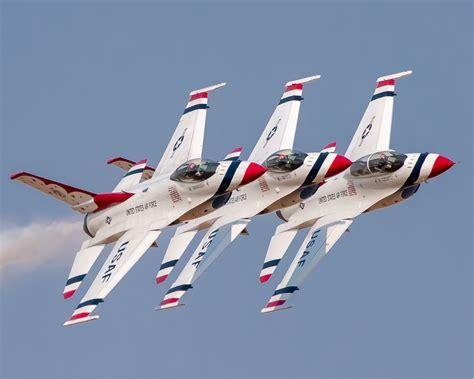
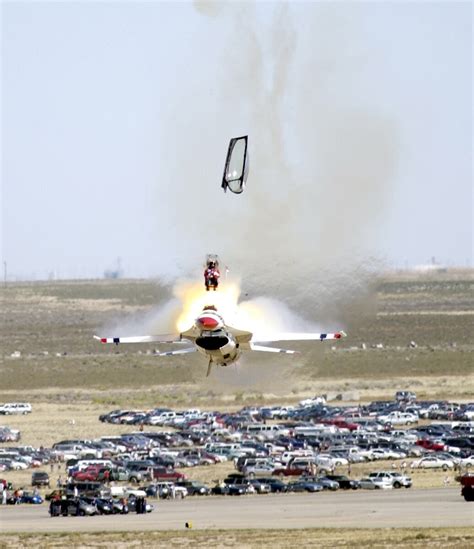
Unlike many of its decommissioned siblings, which are relegated to air museums or stand guard at military bases, this particular F-16 will soon perch proudly in front of a rural Ohio school. It is not just any F-16, but one of the few flown by the Thunderbirds, the United States Air Force’s elite aerial demonstration team.
Union Local High School: A Symbolic Match
This development holds a poetic resonance. Union Local High School’s sports teams are named the Jets, making the arrival of a genuine F-16 more than symbolic—it’s emblematic. The high school, located just off Interstate 70, will place the aircraft on a pedestal visible to the thousands who traverse the highway daily.
According to Dirk Davis, president of the school’s Afterburners Committee—a booster organization responsible for much of the planning and fundraising—the aircraft will serve as a permanent tribute to the school’s legacy. “This jet will represent The Union Local Jets and everybody that graduated here, over 60,000 of them,” Davis noted proudly.
The Thunderbird Advantage
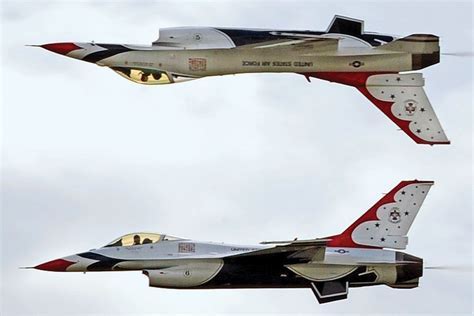
What sets this particular aircraft apart is its origin. As a former Thunderbird jet, it was not configured for combat operations. This unique status allowed for a somewhat smoother path toward decommissioning and transfer. Thunderbird aircraft are primarily used for aerial demonstrations, showcasing precision flying, tight formations, and the full range of the F-16’s agility.
The Thunderbirds have flown the F-16 since 1983, after retiring the T-38 Talon due to a tragic training accident. Since then, the Fighting Falcon has been a staple of their performances across the world. Though it remains unclear exactly when this particular aircraft was retired, its legacy is well understood.
A Journey Years in the Making
The effort to bring the aircraft to Union Local began in 2018, spurred by a group of dedicated community members who envisioned an inspiring monument on campus. Their goal wasn’t just aesthetic; it was educational and patriotic—a call to honor veterans, celebrate aviation, and ignite the curiosity of future engineers and pilots.
The team initiated contact with several military and government institutions, including the U.S. Navy Yard in Washington, D.C., Naval Air Station Pensacola, and ultimately Wright-Patterson Air Force Base in Dayton, Ohio. The latter became a critical ally in the process, given its proximity and its oversight of the National Museum of the United States Air Force, the world’s largest military aviation museum.
Officials from the museum, along with the Air Force’s Static Display Program Coordinator, helped navigate the rigorous approval protocols, which culminated in an official greenlight in August 2021. However, approval was just the beginning. The process included logistical planning, structural engineering, and intense fundraising efforts.
Engineering the Pedestal and Moving a Warbird
Constructing the base to support a 19,700-pound aircraft is no minor feat. Two Ohio-based firms—Buckeye Steel and The Tressel Company—took on the challenge. They engineered a durable pedestal capable of safely displaying the fighter jet for decades to come, exposed to the elements yet commanding awe from every angle.
The positioning of the aircraft will be more than a static reminder—it will become an enduring symbol of excellence, speed, and innovation, echoing the ethos of both the Air Force and the Union Local student body.
No Government Funds Used
Perhaps the most remarkable aspect of this endeavor is the financial stewardship behind it. Not a single taxpayer dollar was used. Instead, the entire operation—from acquisition to transport to installation—has been funded through private donations, mainly from alumni and local businesses. It’s a testament to community spirit and civic engagement, a rare model of grassroots support for educational enrichment.
Davis described it best: “It’s the first one that was given to us and not to a military base or a state museum, so we’re very happy, and we hit the jackpot, we hit the lottery.”
Educating the Next Generation Through Aviation Heritage
The presence of the F-16 will do more than beautify the Union Local campus. It promises to serve as an educational catalyst, inspiring students to explore careers in aerospace, aviation engineering, military service, and related STEM disciplines. History classes can anchor lessons around Cold War aviation, science teachers can reference jet propulsion systems, and guidance counselors can promote careers once considered out of reach.
Furthermore, the aircraft’s visibility from the interstate makes it a regional landmark. Thousands of travelers will witness the gleaming jet, reminding all who pass by of the deep connections between rural America and the nation’s defense infrastructure.
Cultural and Strategic Significance
Ohio has long been a cradle of aviation innovation. It is, after all, the home state of Orville and Wilbur Wright, and Wright-Patterson Air Force Base has played a key role in Air Force research and logistics for decades. The placement of an F-16 at a high school in Ohio continues this tradition of aerospace excellence.
It’s also a subtle acknowledgment of how military heritage intersects with civilian pride, especially in smaller communities where national symbols resonate deeply. For many students, this may be the closest they’ll ever get to a frontline fighter jet—yet it could spark ambitions to someday fly or build one.
What’s Next for Union Local High School
With installation expected to be completed by spring 2026, the excitement is palpable. The school and its Afterburners Committee are preparing for a dedication ceremony, expected to draw alumni, local dignitaries, military representatives, and aviation enthusiasts.
The ceremony will likely mark a historic moment not only for the school, but also for military outreach and civilian-military partnerships nationwide. The successful campaign may inspire other schools to pursue similar projects, although the rarity of a Thunderbird F-16 ensures that Union Local’s achievement will remain unique for years to come.
Conclusion: More Than Just a Jet
The arrival of a decommissioned F-16 Thunderbird at Union Local High School is more than a donation—it’s a legacy in aluminum and titanium. It’s a statement of pride, heritage, and ambition. In an era when educational institutions strive to motivate and engage students, few symbols carry the weight and inspiration of a fighter jet that once roared across the skies in red, white, and blue.
As the pedestal rises and the final bolts are tightened, Union Local High School stands as a beacon—not just for Belmont County, but for every community that dares to dream skyward.