The Thunderbird 6 Incident at Mountain Home AFB
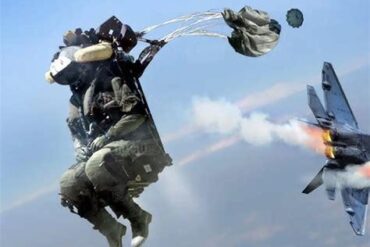
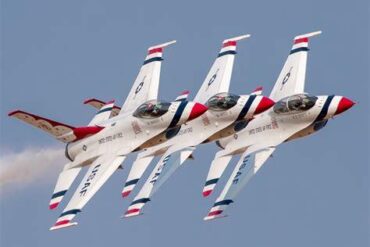
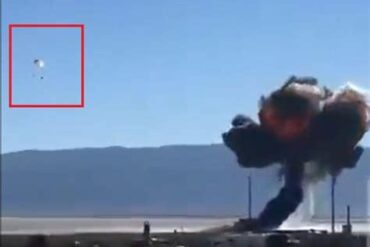
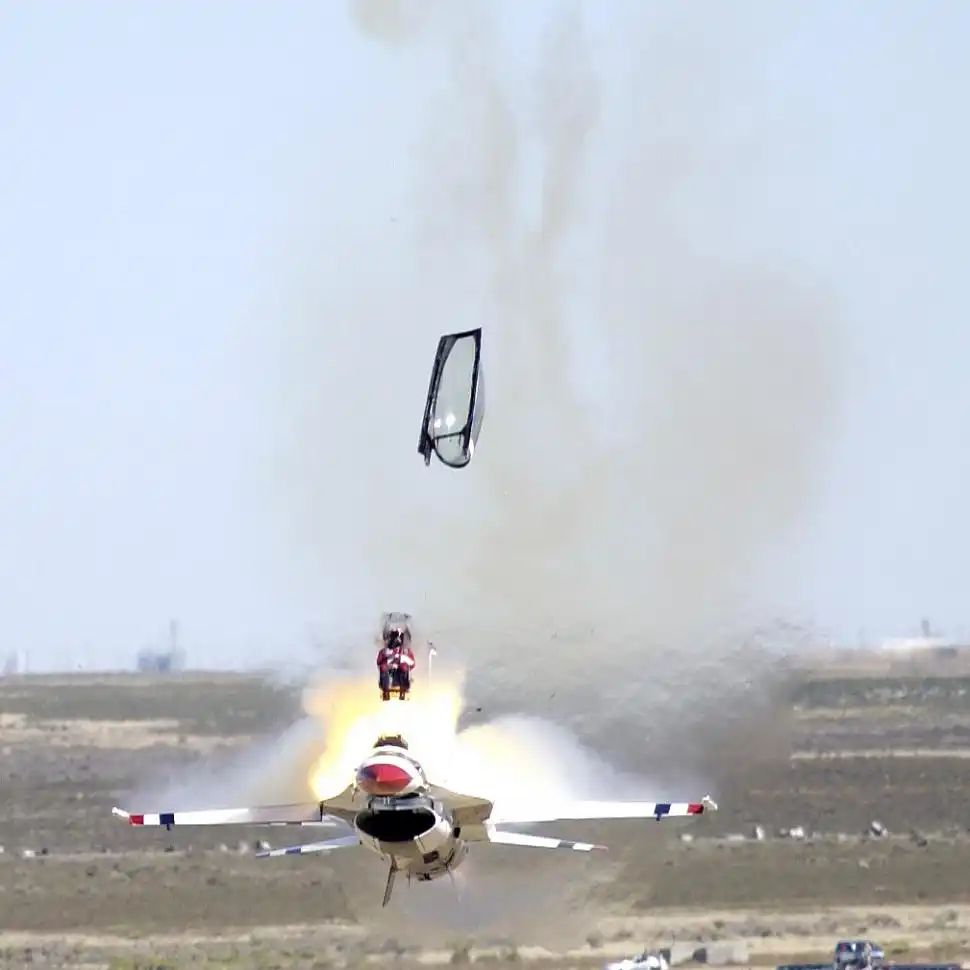
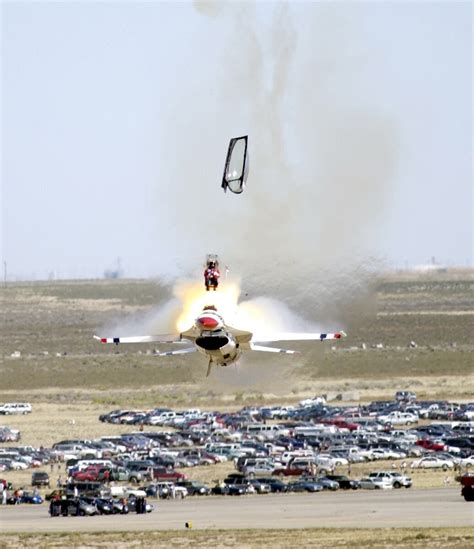
On September 14, 2003, during the “Gunfighter Skies” airshow at Mountain Home Air Force Base, Idaho, a catastrophic event unfolded as Captain Chris Stricklin, pilot of Thunderbird 6, was forced to eject from his F-16C Fighting Falcon mere moments before impact. This high-stakes ejection, captured in a stunning photograph by SSGT Bennie J. Davis III, showcased the split-second decision-making and advanced egress technology that saved Stricklin’s life.
The Maneuver That Led to Disaster
The incident occurred during the execution of a maneuver known as a Reverse Half Cuban Eight. This requires a steep ascent, an inversion roll, and a downward loop, bringing the aircraft back to level flight. However, a miscalculation in field altitude meant Stricklin initiated the maneuver at an altitude 830 feet lower than necessary, leaving insufficient room for recovery.
Stricklin, realizing the impending crash, made a last-second course adjustment to steer the aircraft away from the crowd before ejecting at just 140 feet above ground—a perilously low altitude for such an emergency escape.
The Critical Ejection Sequence
The ACES II ejection seat played a pivotal role in saving Stricklin’s life. As he pulled the ejection handle, the sequence unfolded in a precisely orchestrated manner:
- Canopy Jettison: The ejection system’s hot gas initiators activated, sending an explosive charge to release the canopy. The airflow helped rip it away from the aircraft.
- Seat Rocket Propulsion: The CKU-5 Rocket Catapult ignited, propelling the seat along guide rails before the main rocket motor fired, ensuring sufficient clearance from the aircraft.
- Stabilization & Parachute Deployment: The STAPAC (Stabilization Package) and Yaw Rocket adjusted the seat’s trajectory, and within 0.2 seconds, the parachute deployment mortar fired, beginning the rapid deceleration process.
At the moment of ejection, Stricklin’s descent rate was 8,400 feet per minute, and his airspeed was 225 knots (260 mph). Given the low altitude and high sink rate, this was an out-of-envelope ejection, meaning survival was not guaranteed. However, due to the mode selection of the ACES II seat, the parachute deployed almost instantly, allowing for a successful and injury-minimal landing.
Analyzing the Crash: Pilot Error and Altitude Misinterpretation
A subsequent Air Force Accident Investigation Board report determined that Stricklin’s altitude miscalculation was the root cause of the crash. He had relied on an incorrect mean sea level (MSL) altitude reading, climbing to only 1,670 feet above ground level (AGL) instead of the required 2,500 feet before beginning the maneuver.
The discrepancy between Nellis AFB (2,000 feet elevation) and Mountain Home AFB (3,000 feet elevation) likely contributed to the error. As a result, new Thunderbird procedural changes were implemented:
- Pilots would now call out MSL altitudes instead of AGL altitudes to avoid confusion.
- The minimum altitude for executing a Split S maneuver was raised by 1,000 feet to provide an additional margin of safety.
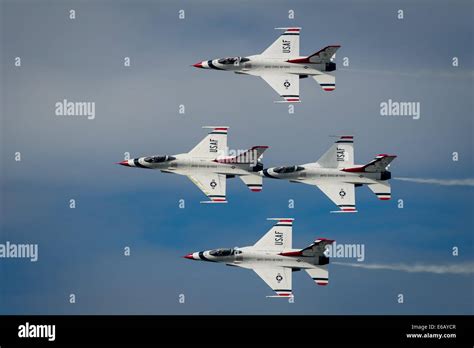
The Aftermath: Stricklin’s Career and Thunderbird Adjustments
Following the crash, CAPT Chris Stricklin, a highly respected pilot with over 1,500 flight hours, was reassigned from the Thunderbirds to a position in Washington, D.C., at the Pentagon. Although his error cost the Air Force $20.4 million, his decisive actions ensured that no spectators were harmed.
Despite the mishap, the Thunderbirds continued their airshow schedule, implementing stricter altitude protocols and additional training measures to prevent a recurrence of such an incident.
Historical Context: Other Thunderbird Crashes
The September 2003 ejection was not the first time a Thunderbird pilot had to escape a doomed aircraft. Some notable past incidents include:
- February 14, 1994: A Thunderbird F-16 crashed during a training exercise due to pilot error in a spiral descent maneuver. The pilot ejected safely, and the maneuver was discontinued.
- January 18, 1982 (Diamond Crash): Four Thunderbird pilots lost their lives when their T-38 Talon aircraft crashed due to a malfunction in the lead plane during a formation training exercise.

The Role of the ACES II Ejection Seat in Pilot Survival
The ACES II ejection seat, developed by Goodrich Corporation, is a life-saving mechanism designed to function across multiple emergency scenarios. It operates in three different modes depending on altitude and airspeed:
- Mode 1: Low-altitude, low-speed ejection (as in Stricklin’s case) – Immediate parachute deployment.
- Mode 2: Mid-altitude ejection – Seat stabilization, followed by parachute deployment.
- Mode 3: High-altitude, high-speed ejection – Delayed parachute deployment to prevent excessive wind blast.
The Thunderbird 6 incident showcased the exceptional reliability of the ACES II seat, which performed flawlessly under extreme conditions, allowing Stricklin to survive what would have been a fatal crash in previous aircraft generations.
FAQ: Common Questions About the Thunderbird 6 Ejection
1. Why did CAPT Stricklin eject instead of trying to recover the aircraft?
Stricklin ejected because his aircraft was in an unrecoverable descent. Given the altitude and speed, any attempt to regain control would have resulted in impact before full recovery. His priority was to ensure the jet did not endanger spectators.
2. How does the ACES II ejection seat work?
The ACES II ejection seat follows a three-stage process: canopy jettison, rocket-propelled seat ejection, and parachute deployment. It automatically adjusts based on altitude and airspeed, ensuring optimal survival conditions.
3. Has a Thunderbird pilot ever died in an ejection?
While Stricklin survived, past Thunderbird accidents have resulted in fatalities. The 1982 Diamond Crash claimed the lives of four pilots, and earlier aircraft generations lacked the advanced ejection seat technology seen in modern jets.
The Thunderbird 6 ejection remains one of the most dramatic examples of a high-speed, low-altitude escape, demonstrating the importance of precision flight training, altitude awareness, and cutting-edge survival equipment. This incident led to enhanced safety protocols, ensuring that Thunderbird pilots continue to amaze audiences while prioritizing safety above all else.