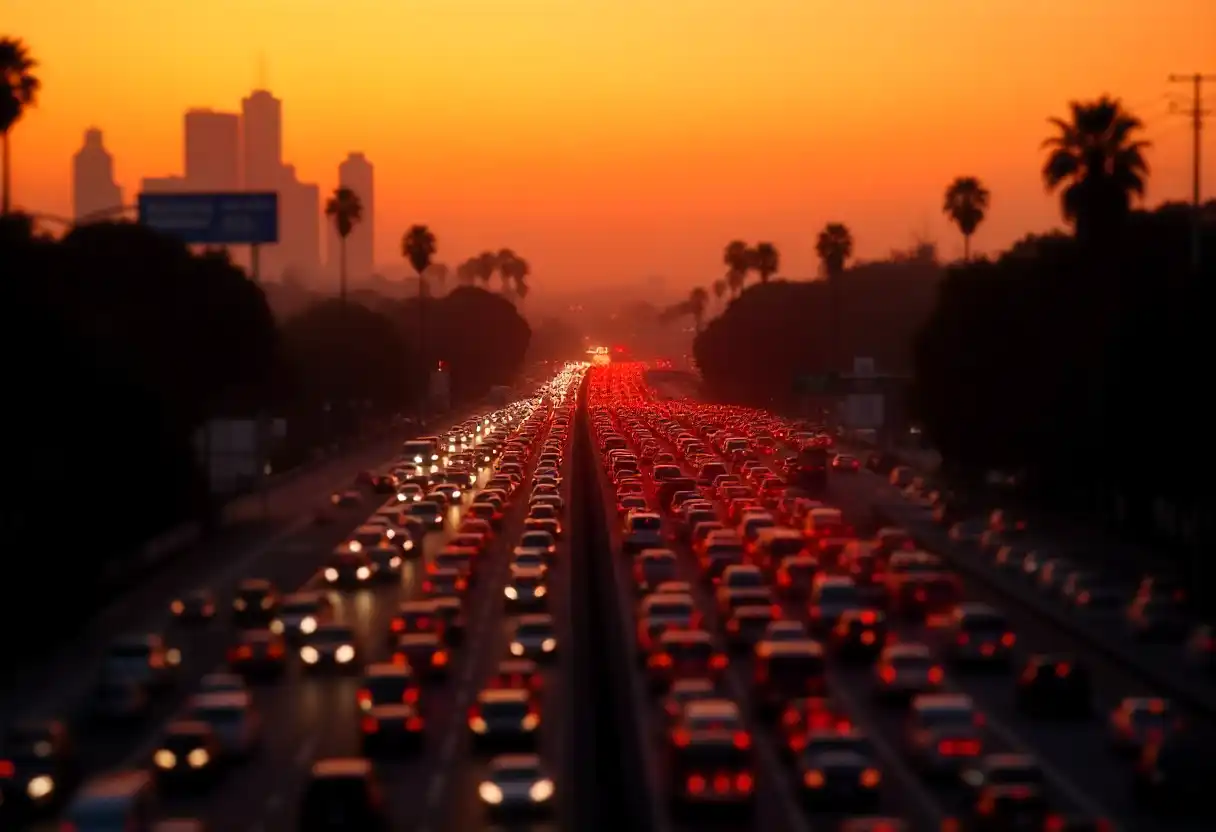
California’s reputation for gridlock isn’t new, but a 2025 study by ConsumerAffairs has brought fresh data confirming what many long suspected: Los Angeles officially has the worst traffic in California, and it’s not just bad — it’s historically dreadful.
Los Angeles: The Epicenter of California’s Traffic Crisis
Angelenos are no strangers to congestion, but the numbers in the latest research are staggering. On an average weekday, drivers in Los Angeles spend about 8 hours stuck in traffic. That equates to a jaw-dropping 85 full days a year — time spent idling on freeways, crawling through intersections, and inching past construction zones.
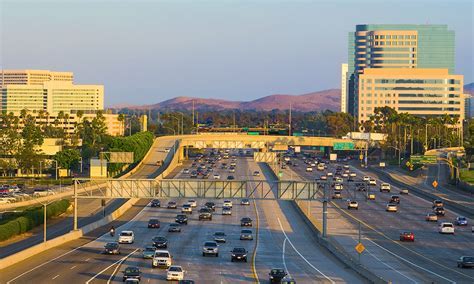
This crushing level of congestion places LA as the second worst city for traffic in the entire United States, only narrowly losing the top spot to Washington, D.C. The distinction isn’t based on anecdotal frustration — it’s rooted in meticulous data aggregation from entities like the Federal Highway Administration, National Highway Traffic Safety Administration, and urban mobility reports.
Why Los Angeles Traffic Is So Unrelenting
Several compounding factors make LA’s traffic not only persistent but nearly insurmountable.
Firstly, the urban sprawl of Los Angeles is a key contributor. The city grew outward rather than upward, creating an expansive landscape with little cohesive planning for mass transit integration. Unlike dense, transit-friendly cities like New York or Chicago, Los Angeles residents rely overwhelmingly on personal vehicles, even for short trips.
Secondly, population density and car ownership are sky-high. LA County alone has nearly 10 million residents, and the majority of households own at least one vehicle — many own two or more. The resulting volume of cars exceeds the capacity of even LA’s vast highway network.
Lastly, alternatives such as public transportation and walking are often impractical. In many neighborhoods, buses and rail systems are inefficient, with infrequent service and poor connectivity. Moreover, pedestrian infrastructure is spotty or non-existent in many suburban areas, making car travel the only viable option.
Accident Data and Safety Insights
One surprising silver lining in this grim report is LA’s improving accident rate. The study found that fatal car crashes have decreased significantly, with the city averaging just over 7 fatal crashes per 100,000 residents, which is a 17.8% drop from 2024. This suggests that while traffic remains punishingly slow, it may at least be slightly safer than in previous years — possibly due to speed reductions, infrastructure upgrades, and wider adoption of crash-avoidance technologies in newer vehicles.
San Francisco Joins LA in the Traffic Hall of Fame
It’s not just Los Angeles that’s under the microscope. The study also ranked San Francisco as the fourth worst city in the nation for traffic, with only Miami and Washington, D.C. faring worse.
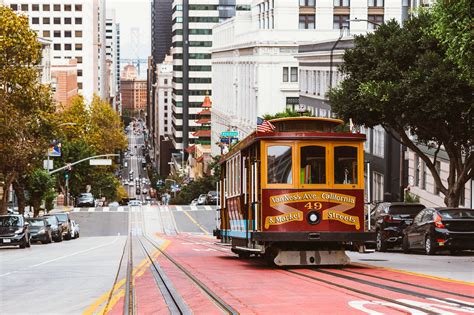
Interestingly, while San Francisco’s weekday congestion is lower than LA’s, its daily commute time of 32 minutes is the second longest in the United States, up from the year prior. That may be due in part to the city’s unique topography, with steep hills, narrow roads, and a dense urban core that slows vehicle movement significantly.
San Francisco has invested heavily in public transit, including the BART system and Muni buses and streetcars, but these systems often struggle to meet demand during peak hours. Additionally, the rise of gig economy transportation services such as Uber and Lyft has only added to urban congestion.
Caltrans Efforts and Infrastructure Projects
State transportation officials aren’t sitting idle. Caltrans, the California Department of Transportation, has rolled out several tools and programs designed to alleviate — or at least help residents better navigate — the state’s chronic traffic issues.
One such tool is the QuickMap app, which provides:
- Live traffic conditions
- Real-time camera feeds
- Incident reports and closures
- Construction updates
Alongside QuickMap, California’s 511 system remains a crucial resource for drivers, offering up-to-the-minute road information via phone or web. But despite these tools, traffic woes persist — often exacerbated by the very infrastructure improvements meant to help.
For instance, in early November 2025, State Route 2 in Los Angeles faced significant lane closures for curb and sidewalk upgrades. These projects, while necessary for accessibility and safety, have led to even more congestion in areas already plagued by near-constant gridlock.
A National Comparison: How LA and SF Stack Up
To place this in perspective, consider how these two Californian cities fare against other traffic nightmares across the country:
- Washington, D.C.: Longest average commute time and highest congestion rating.
- Los Angeles: Most congested weekdays, second overall in worst traffic.
- Miami: Rapidly rising in congestion and accident data.
- San Francisco: Second longest commute time, fourth worst traffic overall.
What makes California’s dilemma more troubling is that two of its cities are in the top five worst nationally, reflecting a systemic issue that transcends local planning.
The Real Cost of Congestion
Beyond the obvious frustration, traffic congestion has real economic and environmental impacts. According to previous reports by INRIX and the Texas A&M Transportation Institute, drivers in high-traffic cities like LA lose thousands of dollars annually due to lost productivity, fuel consumption, and vehicle wear-and-tear.
Additionally, long periods of idling and stop-and-go movement contribute disproportionately to greenhouse gas emissions, compounding California’s broader environmental challenges.
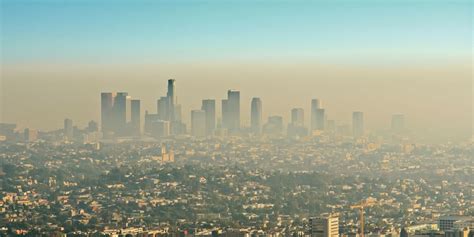
Experts estimate that in Los Angeles alone, traffic-related emissions are responsible for a significant share of the region’s air quality issues, including ground-level ozone and fine particulate matter, both of which have serious health consequences.
What’s Being Done — And Is It Enough?
Despite decades of planning and billions in spending, solutions to California’s traffic problem remain elusive. Key strategies being explored or expanded include:
- Expansion of Metro rail lines in LA
- Congestion pricing in downtown San Francisco
- Improved bike lanes and pedestrian walkways
- Increased telecommuting and remote work options
- Investment in autonomous vehicle technologies and smart traffic lights
But critics argue that without a fundamental shift in land use planning and driving behavior, these fixes are mere band-aids on a deeper wound.
Conclusion: A Warning and a Wake-Up Call
The 2025 ConsumerAffairs study offers a sobering look into California’s urban future. With Los Angeles topping the state’s traffic misery index, and San Francisco not far behind, the message is clear: without bold intervention, the state’s major cities risk becoming increasingly unlivable.
What’s needed is more than infrastructure upgrades. Cultural, economic, and policy changes must converge to reduce reliance on cars, enhance public transit usability, and reimagine city planning for a more mobile, sustainable future. Until then, for millions of Californians, traffic will remain a daily battle — one fought bumper to bumper, one honk at a time.