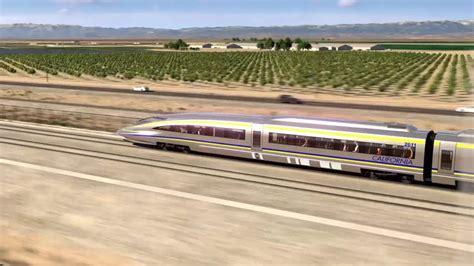
AmeriStarRail, a Delaware-registered corporation, has embarked on an ambitious initiative to transform rail travel in the United States with its proposal for a high-speed rail service linking Los Angeles and New York. This megaproject aims to significantly reduce travel time, enabling passengers to traverse the country in 72 hours or fewer. The proposed route will cut through the California High Desert, offering a greener, faster alternative to both driving and flying across America.
The project was formally pitched to Amtrak in June 2025, with aspirations of establishing a partnership that would integrate the Transcontinental Chief as a vital link between the U.S. coasts. This rail system is designed to cover an extensive network of cities, including San Bernardino, Victorville, Barstow, the Grand Canyon, Kansas City, Chicago, and ultimately New York. It aims to replace some of Amtrak’s existing routes, notably the Southwest Chief, and promises seamless connections with other major rail services.
The Advantages of the Transcontinental Chief
The proposed Transcontinental Chief presents several compelling benefits for travelers, setting it apart from traditional modes of transportation. The most significant advantages include:
- Speed: By facilitating cross-country travel in under 72 hours, the Transcontinental Chief offers a remarkably faster option compared to conventional driving or air travel. This speed not only saves time but also enhances productivity for business travelers.
- Eco-Friendly: As a green transportation alternative, high-speed rail significantly reduces carbon emissions when compared to cars and airplanes. This eco-conscious design aligns with growing public demand for sustainable travel solutions.
- Convenience: With multiple stops at major cities, this rail service ensures accessibility for travelers from smaller towns such as Kansas City and Victorville. This connectivity can redefine regional travel by providing easier access to urban centers.
With AmeriStarRail’s vision, travelers could soon enjoy a cross-country rail experience that mitigates the stress associated with traditional road trips while sidestepping the delays common with air travel. For business professionals, tourists, and anyone seeking a comfortable and efficient journey across the nation, this high-speed rail service could revolutionize the way Americans travel.
Brightline West: A Competitor in California’s Rail Market
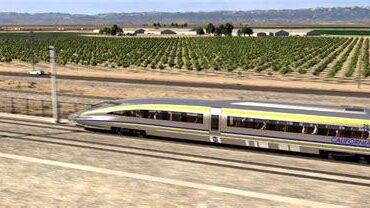
While AmeriStarRail focuses on its coast-to-coast high-speed rail system, Brightline West emerges as a significant competitor, working on its own high-speed line connecting Las Vegas to Rancho Cucamonga in California. This project promises to slash the current four-hour travel time between these two cities to just two hours, making it an attractive option for those wishing to bypass lengthy road trips or flights. With a projected cost of $12 billion, Brightline West broke ground in April 2024 and plans to utilize zero-emission electric trains, aiming to commence service by 2025.
Challenges Facing AmeriStarRail
Despite the exciting potential of the Transcontinental Chief, several challenges loom ahead for AmeriStarRail. Notably, Victorville Mayor Elizabeth Becerra has raised concerns regarding the feasibility of the project. Key issues include access to the BNSF tracks and securing the necessary funding to bring this monumental undertaking to fruition. Additionally, logistical hurdles such as coordinating train schedules, obtaining permits, and constructing new stations along the proposed route present significant obstacles.
Currently, AmeriStarRail has set an ambitious target date of May 10, 2026, for the launch of its service, coinciding with the upcoming FIFA World Cup and the U.S. 250th anniversary celebrations. The company remains optimistic that the Transcontinental Chief will revitalize U.S. rail travel, create numerous job opportunities, and introduce a profitable new option to the nation’s transportation landscape.
The Future of U.S. Rail Travel: A New Golden Age?
High-speed rail initiatives such as AmeriStarRail’s Transcontinental Chief and Brightline West are part of a broader movement aimed at revitalizing rail travel in the United States. With ongoing improvements in infrastructure and a focus on sustainability, rail could once again become a cornerstone of the U.S. transportation ecosystem. This shift means that travelers can expect faster, greener, and more comfortable options for crossing the country, as well as enhanced accessibility to regional destinations.
In the coming years, long car rides and delayed flights may become relics of the past. High-speed rail stands poised to make cross-country travel not only more efficient but also more enjoyable, all while reducing the environmental impact of travel.
Conclusion: High-Speed Rail is Coming to the U.S.
The proposal for the Transcontinental Chief high-speed rail system marks a bold stride towards transforming how Americans navigate their vast continent. Although the project faces significant challenges related to funding, permits, and logistics, the benefits it offers travelers are indisputable. By providing a quicker, environmentally friendly, and convenient mode of transport, the Transcontinental Chief has the potential to usher in a new era in train travel.
As AmeriStarRail continues its pursuit of this colossal project, anticipated to materialize by 2026, the future looks bright for expanding high-speed rail networks as a cleaner travel alternative in America. Keep an eye on this evolving sector, as it holds the promise of reshaping the landscape of U.S. rail travel for generations to come.