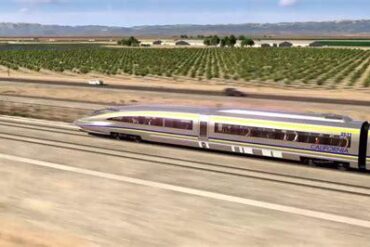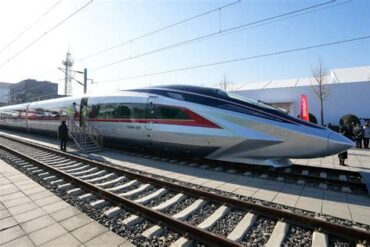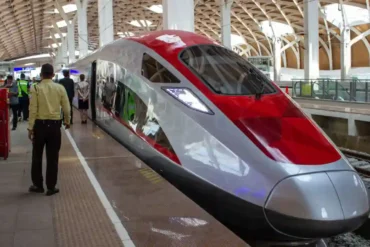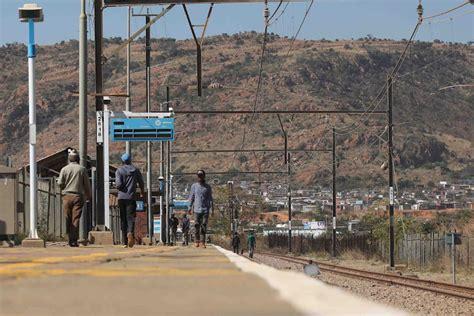
South Africa is on the brink of a transportation revolution with the upcoming construction of a historic high-speed rail corridor that will connect Pretoria and Polokwane. This ambitious project, set to commence soon, aims to dramatically reduce travel time between these two pivotal cities from the current six hours to an astonishing 90 minutes, making it one of the fastest rail systems in the region. With speeds reaching up to 200 km/h on certain sections, the high-speed rail system promises not only to enhance connectivity but also to transform the way millions of commuters travel.
The planning phase for this high-speed rail corridor, initially announced in 2023, has advanced significantly as evaluations are underway. Comprehensive feasibility studies and environmental assessments are being conducted to ensure that the project adheres to stringent safety and sustainability standards. These assessments are essential for understanding the potential environmental impact while ensuring passenger safety protocols are effectively implemented.
Additionally, securing the land necessary for this expansive infrastructure is a major consideration. Both government officials and private sector leaders are collaborating to acquire the required land, actively engaging with local communities to address concerns and ensure a smooth progression of the project. This proactive approach is crucial for integrating the new rail system into the existing transportation framework and minimizing disruption to the local populace.
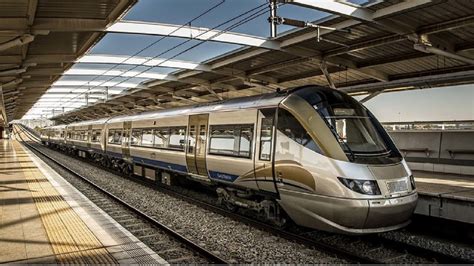
The construction of this groundbreaking bullet train is projected to begin by late 2026, contingent upon finalizing land acquisition agreements. Spanning approximately 500 kilometers, the rail system will operate at an average speed of 175 km/h, with sections designed to accommodate even higher speeds exceeding 200 km/h. This remarkable speed enhancement will not only make the corridor one of the fastest rail systems on the African continent but also significantly improve travel efficiency between Pretoria and Polokwane.
In terms of investment, the Gauteng government plans to allocate around $6.3 billion (R120 billion) over the next five years towards rail system improvements, which include expanding commuter services alongside the new bullet train initiative. This substantial investment underscores an ongoing commitment to modernize South Africa’s rail infrastructure, ensuring it meets the demands of both urban and long-distance travel while improving overall system reliability and capacity.
Furthermore, this large-scale financial commitment will facilitate upgrades to existing tracks and expand commuter services, providing passengers with enhanced travel options throughout the region. The integration of the bullet train into the broader transportation network aims to foster more efficient and interconnected regional travel, thereby enhancing the overall travel experience.
However, the ambitious bullet train project faces significant financial challenges. The total estimated cost of the endeavor is around $34 billion (R530 billion), raising concerns regarding its long-term financial sustainability. While the prospect of faster and more convenient travel is enticing, the sheer scale of the project necessitates careful scrutiny of financing strategies.
The South African government, in collaboration with private investors, is currently exploring various funding models to ensure the economic viability of the train system. Key challenges include devising ways to generate sufficient revenue from the service to cover operational costs and repay investments. A delicate balance must be struck between infrastructure development and sustainable revenue generation to maintain the project’s long-term success.
It is also imperative to manage the substantial investment required for the bullet train wisely, ensuring it does not detract from other critical public expenditure areas such as healthcare, education, and housing. The successful execution of this project must not compromise other vital sectors of national development.
Upon its completion, the bullet train is poised to redefine the future of South African rail travel. It promises to be a significant boon for commuters, businesses, and tourists alike, facilitating easier and faster travel between Pretoria and Polokwane. The efficient service offered by the train will likely attract passengers who would otherwise rely on slower, less efficient means of transportation, positioning it as a preferred choice for long-distance travel.
In addition to enhancing passenger convenience, the project is expected to stimulate economic growth, create jobs, and bolster local economies along the route. As a groundbreaking initiative, this high-speed rail system could serve as a model for future infrastructure projects across South Africa and the African continent, providing a blueprint for modern, sustainable rail systems in developing regions.
The bullet train development aligns with South Africa’s broader strategy to modernize its transportation infrastructure, aiming to integrate the nation into the global economy while addressing the needs of its growing population. Successful implementation of this project will not only improve South Africa’s transport network but also act as a catalyst for economic and social advancement throughout the country.
As construction plans progress, attention will remain focused on overcoming financial hurdles, securing necessary land, and ensuring that the bullet train fulfills its promises of faster, more reliable, and sustainable travel. With strategic planning and continued collaboration between public and private sectors, South Africa is on the verge of embarking on a new era of high-speed rail transport.