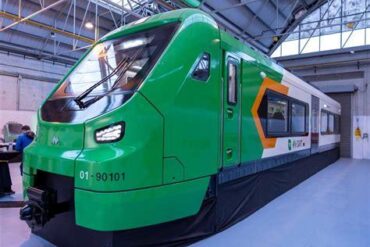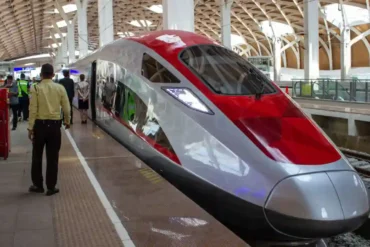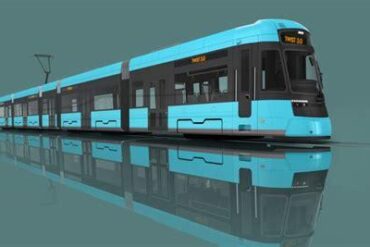
South Africa is strategically opening its rail sector to private sector investment in a bid to address pressing infrastructure challenges that have plagued the nation’s transport networks. With a focus on both export logistics and passenger transport solutions, the Department of Transport’s recent call for proposals has ignited significant interest, resulting in an impressive 162 submissions from private companies eager to participate in revitalizing the country’s rail and port development projects.
In March, the Department of Transport issued a Request for Information (RFI) aimed at attracting private investment for the expansion of rail, port, and intermodal infrastructure. This initiative comes as part of a larger strategy to modernize South Africa’s rail system, which has faced severe operational challenges in recent years. The overwhelming response from the private sector underscores a strong desire to invest in projects ranging from the construction of new export corridors to the upgrading of existing logistics hubs and infrastructure.
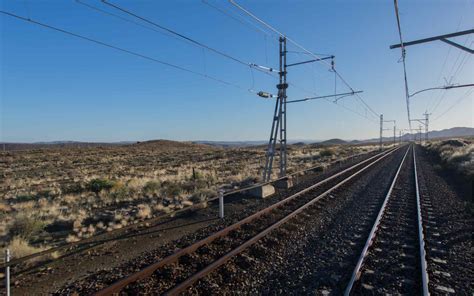
South Africa’s Infrastructure Challenges Demand Immediate Attention
The rail sector in South Africa has been experiencing a significant crisis, characterized by state-run entities struggling to deliver efficient and reliable services. Public resources have proven insufficient to meet the demands of a growing economy, leading the government to seek private sector partners to fill the gaps. The persistent issues within the transport sector highlight an urgent need for immediate action to restore efficiency and effectiveness to the rail system.
Recent statistics illustrate the downturn in the freight rail sector, with freight volumes plummeting dramatically from 226.3 million tons in the 2017/18 fiscal year to a concerning 151.7 million tons by the end of the 2023/24 period. Despite various reforms implemented by the government, the forecast for the upcoming fiscal year remains bleak, with expected volumes only marginally rising to 165.4 million tons. This decline emphasizes the necessity for a more dynamic and innovative approach to rejuvenate South Africa’s rail infrastructure.
Private Sector Partnerships: A Path Forward
Investor interest in South Africa’s rail sector is burgeoning, with proposals encompassing a wide range of projects aimed at tackling critical infrastructure gaps. These public-private partnerships (PPPs) are seen as essential to addressing the challenges that state-owned enterprises have been unable to overcome. By leveraging private capital and expertise, South Africa can drive the necessary upgrades and improvements to ensure the sustainability and growth of its rail sector.
The country’s aging rail infrastructure, coupled with ongoing management challenges, has restricted the potential for growth within the industry. Private companies are uniquely positioned to inject the necessary resources and experience to address these pressing issues effectively. The overarching goal is not only to modernize freight services but also to enhance the overall operational efficiency of both freight and passenger networks.
Future Prospects: Enhancing Passenger Rail Connectivity
While the primary focus has been on freight rail, the South African government is also gearing up for future developments with an upcoming RFI specifically targeting passenger rail transport. This initiative aims to introduce essential improvements to commuter networks, offering citizens safer, more reliable, and sustainable transport options. As urban populations grow and the demand for public transport escalates, the partnership between the government and private companies becomes increasingly crucial.
The private sector’s involvement is pivotal to meeting the expanding needs of South Africa’s transportation system, with both freight and passenger services requiring modernization and capacity enhancement. The government’s push for private investment in the rail sector signals a robust commitment to creating a more connected and economically viable nation.
Public-Private Partnerships: A Blueprint for Long-Term Success
The introduction of public-private partnerships is widely regarded as a transformative strategy for unlocking the potential of South Africa’s rail infrastructure. The infusion of private capital and expertise is anticipated to catalyze long-term solutions to the ongoing infrastructure challenges, ultimately stimulating economic growth and creating jobs. As investor interest continues to rise in South Africa’s rail projects, the country stands on the precipice of significantly enhancing its transport networks.
This growth will foster greater regional and international connectivity, benefiting both businesses and commuters alike. The collaborative efforts of public and private entities are essential for establishing a resilient and efficient rail system that meets the demands of a modern economy.
A New Era for South Africa’s Rail Sector
South Africa’s initiative to integrate private sector expertise into the rail industry marks a pivotal step towards revitalizing its transport infrastructure. The demonstrated interest from private companies in contributing to the development of export corridors and rail hubs signifies a turning point for the nation’s logistics sector. By capitalizing on public-private partnerships, South Africa aims to modernize its rail system, unlocking new opportunities for economic growth and improving the overall quality of transport services across the country.
The future of South Africa’s rail industry looks promising, with private sector participation poised to play a central role in driving long-term transformation. As the nation embraces this collaborative approach, it can expect to see a more efficient, reliable, and comprehensive rail network that serves the needs of its people and economy.