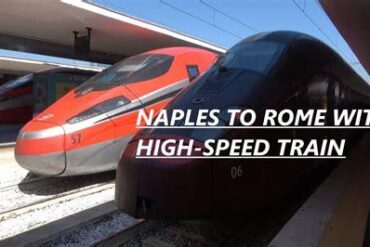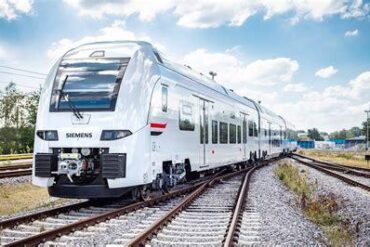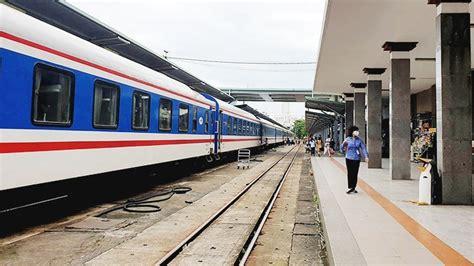
Vietnam’s mega North-South High-Speed Railway (HSR) project has achieved a monumental mark with the official approval of the National Assembly to allow private investment. This decision heralds a revolutionary transformation in the mode of transporting people and goods through the nation. Spanning an impressive 1,541 kilometers from Hanoi to Ho Chi Minh City, the project is set to exponentially reduce travel time—today, a journey that takes close to 30 hours will now be completed in just five hours. By inviting private investors, the government aims not only for a financial boost but also for enhanced work efficiency and technical capabilities, positioning Vietnam to make a giant leap forward in transportation and infrastructure development.
Government’s Strategic Shift in Infrastructure Development
Historically, Vietnam’s railway system has been primarily financed and operated by the government. However, with rising demand for faster, more efficient transportation systems, the National Assembly has passed new legislation to encourage private investment in the country’s railway sector. This change is designed to accelerate the development of the high-speed rail network while leveraging the expertise and capital of the private sector to meet ambitious project goals. Nguyen Danh Huy, Deputy Minister of Construction, emphasized that the new Railway Law is a critical step in maximizing the mobilization of private sector resources. This move is seen as a response to the challenges of public financing and the need for innovative solutions to meet Vietnam’s rapid development goals. The law facilitates participation from private investors not only in the development phase but also in the long-term operation of the rail system, creating a variety of potential investment opportunities for both local and international companies.
Private Sector Participation and Global Interest
The government’s decision has sparked considerable interest from both Vietnamese and international investors. Major players such as THACO Group, VinGroup’s VinSpeed, and prominent international firms like Siemens AG, Alstom, and Bombardier have expressed a strong desire to engage in this ambitious project. These companies possess extensive experience in rail technology, manufacturing, and infrastructure development, making them vital partners for the successful execution of the high-speed railway.
One of the most significant developments is the involvement of VinSpeed, a company founded by billionaire Pham Nhat Vuong, the founder of the VinGroup conglomerate. VinSpeed has proposed a $60 billion investment to develop the rail system, with a commitment to completion by 2030. The company plans to utilize cutting-edge rail technology to ensure the highest levels of efficiency, safety, and comfort for passengers. Additionally, VinSpeed aims to significantly contribute to the local economy by creating thousands of jobs during the construction phase and providing ongoing employment opportunities once the railway becomes operational.
Investment Models: Tax Incentives, Loans, and Equity Partnerships
To attract private investment, various models have been introduced by the government. These include a range of incentives such as tax breaks, government-backed loans, and equity partnerships in railway infrastructure. This structured approach ensures that private investors can contribute financially while also sharing in the long-term success of the project. Notably, the government has indicated that 95% of the labor force employed during the construction and operation phases will be local, creating substantial employment opportunities for the Vietnamese workforce.
Furthermore, Vietnamese companies like THACO Group, a leading automotive manufacturer, have proposed to take on up to 20% of the project’s equity while also assuming a portion of the loan risks. This strategy underscores the government’s commitment to fostering local industries and ensuring that Vietnamese companies play a central role in this national project.
Economic and Social Impact of the High-Speed Railway
The North-South High-Speed Railway project is poised to deliver far-reaching economic and social impacts beyond mere technological advancements. It is expected to create over 330,000 jobs during the construction phase alone, providing employment opportunities for skilled workers, engineers, and other professionals. Once operational, the railway will generate thousands of additional jobs, particularly in maintenance, operations, and customer service sectors.
Moreover, the high-speed railway will significantly enhance Vietnam’s logistics sector. By reducing the time required to transport goods across the country, the high-speed rail system will lower logistics costs, improve supply chain efficiency, and make Vietnam a more attractive destination for foreign investment. This improvement will be crucial for the country’s economic growth as it continues to emerge as a regional hub for trade and commerce in Southeast Asia.
Challenges and Site Clearance Issues
Despite the immense potential, the project faces significant challenges, with land clearance being one of the most critical hurdles. For the project to progress, the government must ensure that localities along the proposed route complete site clearance in a timely manner. Prime Minister Pham Minh Chinh has emphasized the necessity for coordinated efforts between local governments and central authorities to facilitate this process. He has urged that site clearance should be completed by 2026 to ensure construction can begin on schedule.
The site clearance process is often lengthy and complicated, involving the relocation of thousands of households and the acquisition of land in densely populated areas. To mitigate potential delays, the government has committed to fair compensation for affected individuals and businesses. The hope is that these efforts will ensure smooth progress and avoid setbacks that could derail the project’s ambitious timeline.
Conclusion
The signing of private sector participation for Vietnam’s North-South High-Speed Railway project marks a giant leap towards the modernization of the country’s infrastructure. Through a combination of public subsidy and private funding, Vietnam is poised to develop one of Southeast Asia’s most modern rail systems. This initiative will not only transform how people traverse the country but will also stimulate economic growth, create new jobs, and enhance regional connectivity. During the construction phase, the high-speed rail system will symbolize Vietnam’s commitment to innovation, infrastructure development, and economic modernization.