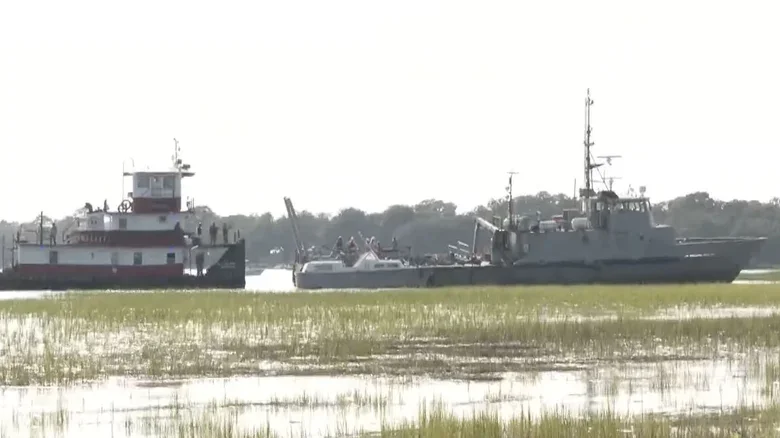
The coast of South Carolina has become home to an unlikely environmental comeback story — one involving a 120-foot-long ex-Navy torpedo recovery vessel, legal drama, and an ambitious marine conservation effort. The vessel, originally named TWR-8419, later renamed HAZAR, now lies beneath the waves as part of the state’s growing artificial reef program, transforming a bureaucratic failure into an ecological triumph.
From Forgotten Warship to Public Nuisance
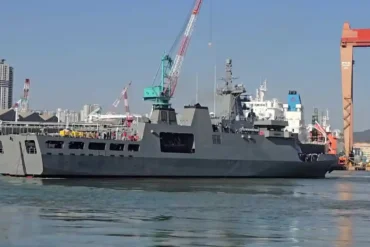
Built in 1986, the TWR-8419 played a critical role during its Navy tenure by recovering torpedoes and other equipment used in military training operations. These vessels, although not household names, were indispensable in maintaining operational readiness and technological advancement during Cold War and post-Cold War years.
After its retirement, the ship was auctioned off in 2021 for $81,600. What followed was a saga of neglect, red tape, and legal evasion. The new owner failed to secure proper registration or federal documentation. The oversized vessel became a stranded relic, stuck in marshy waters near Charleston, turning into a rusting environmental hazard. Not only was it an eyesore, it threatened to leak fluids and debris into the surrounding ecosystem.
This wasn’t just another abandoned boat — it was over 100 feet long, larger and far more problematic than the smaller derelict vessels typically found cluttering the region’s waterways. As the owner vanished from contact and refused to comply with Coast Guard directives, local agencies were left with a growing problem.
Environmental Threat Becomes a Reefing Opportunity
The breakthrough came after a four-year investigation led by the South Carolina Department of Natural Resources (SCDNR) culminated in the owner’s arrest. But rather than dismantling the ship for scrap, a more visionary plan took shape — one that would turn the vessel into an artificial reef, providing a valuable new habitat for marine life and a novel site for recreational divers and anglers.
Partnering with the Coastal Conservation Association of South Carolina, SCDNR initiated an extensive environmental prep process. This included stripping the ship of engines, fluids, and hazardous components, ensuring the reef would enhance — not endanger — ocean health.
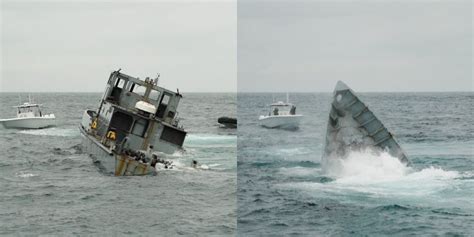
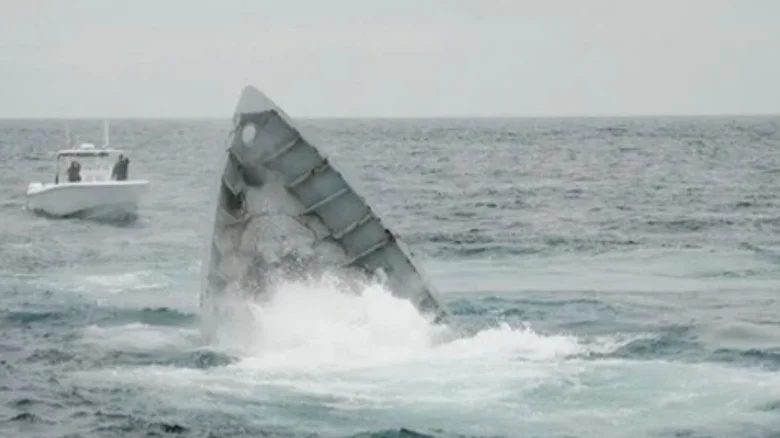
In December 2025, the vessel was towed offshore and intentionally sunk to rest on the ocean floor. The HAZAR became South Carolina’s 612th artificial reef, now a dynamic underwater structure that draws fish, coral, and other marine organisms.
Revitalizing Marine Ecosystems and Coastal Economies
Artificial reefs serve an increasingly vital role in marine ecology. By mimicking natural reef systems, they offer shelter, feeding grounds, and breeding spaces for migratory and local fish species. The HAZAR reef, in particular, is expected to support populations of snapper, grouper, and amberjack — fish prized by both commercial and sport fishermen.
The benefits extend beyond ecology. These reefs are a boon to the local economy, attracting divers, fishing charters, and eco-tourism. South Carolina’s coastal communities stand to gain from the increased activity, helping to turn a liability into a long-term asset.
For divers, the new reef adds another fascinating location to the underwater trail of shipwrecks and artificial habitats that stretch across the region. The HAZAR now invites exploration and curiosity, with its steel bones becoming encrusted with marine life and its corridors a haven for aquatic biodiversity.
A Blueprint for Future Conservation Efforts
This story of transformation isn’t just a local tale — it offers a blueprint for responsible environmental stewardship nationwide. Instead of letting decommissioned vessels rot and pollute, states can partner with conservation groups to repurpose these structures into something truly beneficial.
Through decisive action, collaboration, and vision, South Carolina has reclaimed a failed piece of bureaucracy and reshaped it into a monument to marine life, recreation, and renewal. What was once stuck in the mud now lies beneath the sea, serving a greater purpose than perhaps it ever did in its years of military service.
The HAZAR’s journey from forgotten Navy craft to thriving ocean reef reflects not only innovation but also resilience — both ecological and bureaucratic. Its sinking marks a bold chapter in coastal preservation, one that’s already making waves.