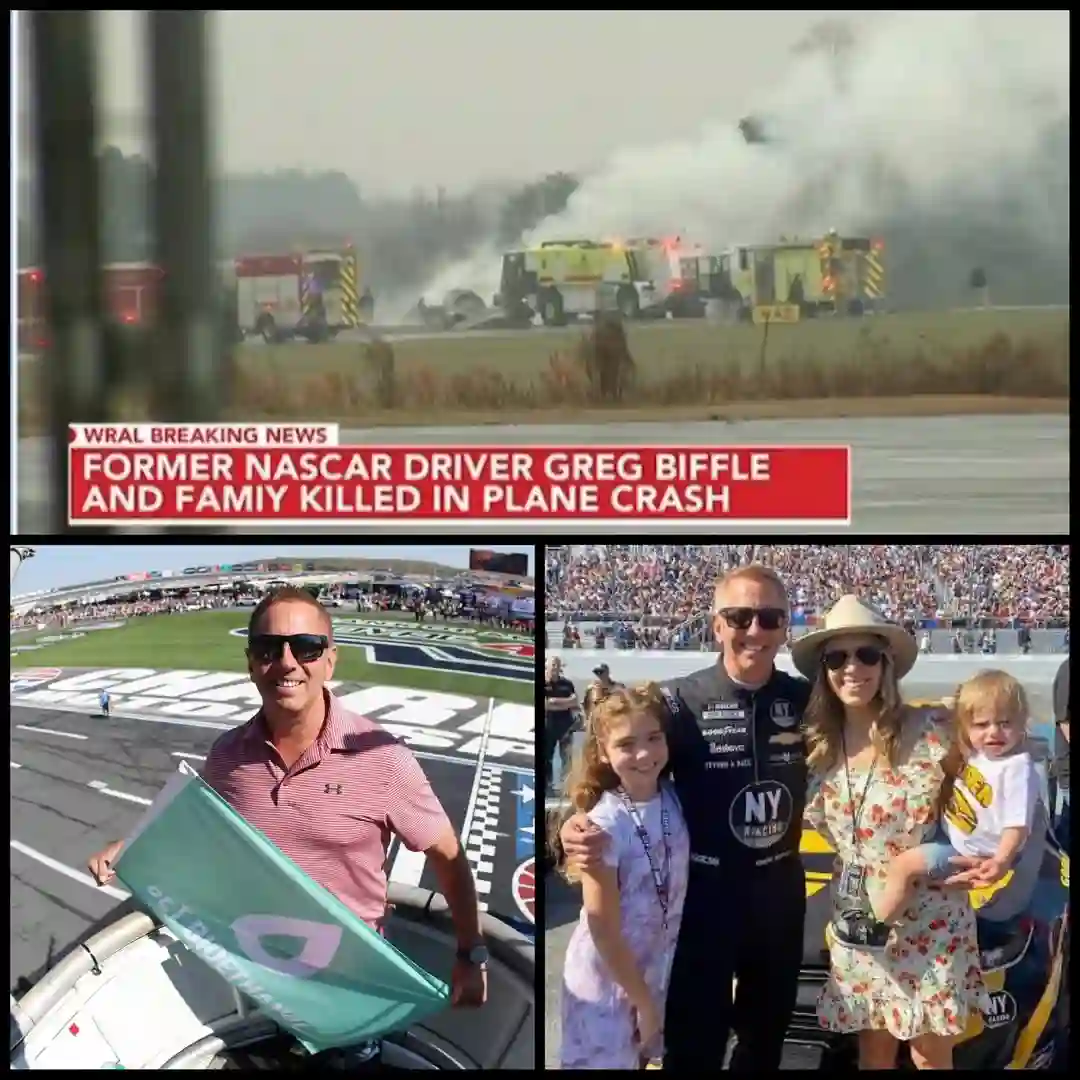
On December 18, 2025, a devastating tragedy unfolded in Statesville, North Carolina, when a Cessna C550 Citation II crashed shortly after takeoff, claiming the lives of seven individuals. Among the victims was former NASCAR driver Greg Biffle, along with members of his family and close acquaintances. The fatal accident occurred at Statesville Regional Airport (SVH), around 50 miles north of Charlotte, sending shockwaves through the aviation and NASCAR communities.
A Sudden Turn in the Skies Over North Carolina
The ill-fated aircraft was bound for Florida when it encountered severe weather conditions shortly after takeoff. Within minutes, the pilot attempted to return to the airport, but the attempt ended in a fiery crash near the runway. Witnesses reported seeing a flash and plume of smoke as emergency responders rushed to the scene. The crash site was engulfed in a post-impact inferno, complicating initial rescue efforts and delaying official identifications.
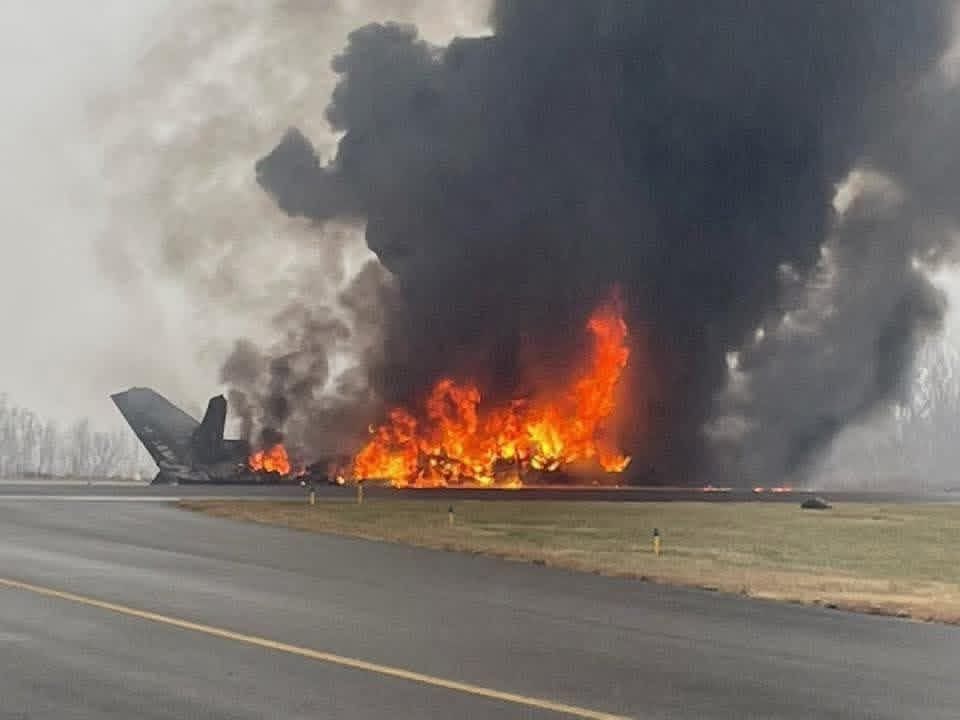
The Federal Aviation Administration (FAA) and National Transportation Safety Board (NTSB) are spearheading a comprehensive investigation. According to preliminary findings, the aircraft was destroyed by fire after impact, making it more difficult to retrieve vital clues. A go-team from the NTSB has been deployed to document wreckage patterns, examine the engines, and recover any possible data recorders. The North Carolina Highway Patrol and local authorities secured the crash zone, halting all airport operations for the remainder of the day.
Remembering Greg Biffle: A Racing Champion and Devoted Father
At the center of this tragedy is Greg Biffle, age 55, a respected and admired figure in motorsports. Biffle’s career included 19 NASCAR Cup Series victories and a championship in the NASCAR Xfinity Series, earning him a loyal fan base and a place among NASCAR’s most versatile drivers. Known for his competitive spirit on the track, Biffle also became synonymous with generosity and community service.
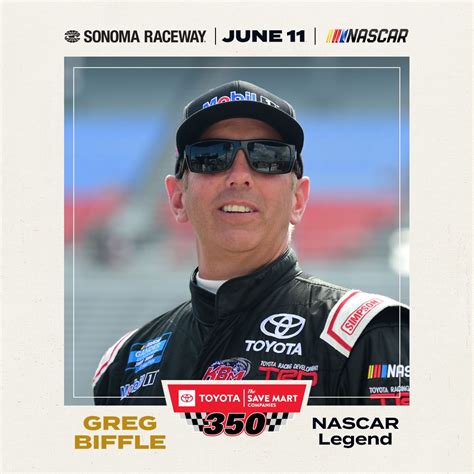
In the years following his retirement, Biffle frequently piloted his own aircraft for both family travel and humanitarian efforts. Notably, he contributed to disaster relief operations after Hurricane Helene, using his private jet to deliver supplies and evacuate residents. His tragic passing along with his wife, Cristina Biffle, and their two children leaves a gaping void in both racing and philanthropic circles.
A statement released jointly by the Biffle and extended families expressed “a heartbreak beyond words,” painting a portrait of Greg and Cristina as deeply devoted parents who built their lives around their children. The NASCAR organization echoed the sentiments, describing Biffle as not only a champion but also a cherished friend and role model.
Passengers Lost: A Shared Tragedy of Close Friends
Alongside the Biffle family, the crash claimed the lives of Dennis Dutton and his young son Jack, as well as Craig Wadsworth, a name familiar in NASCAR’s business and media relations circles. These passengers were more than just friends — they were extended family, bonded through years of shared experiences on the racing circuit and beyond. Their presence on the aircraft highlights how this flight was not just a routine trip, but a cherished gathering of loved ones.
The broader motorsports community has responded with an outpouring of grief and support. Tributes from racing legends, team owners, and fans have filled social media, honoring the legacies of those onboard. Iredell County officials have declared a day of mourning, while NASCAR headquarters in Daytona Beach lowered its flags to half-mast in solemn respect.
Weather, Fire, and Aviation Clues Under Review
The weather conditions at the time of departure were marked by low visibility and wind shear, which may have contributed to the pilot’s decision to return. However, investigators have cautioned that definitive conclusions must await the analysis of black box data, if recoverable, and air traffic control transcripts.
One significant challenge to investigators is the intense post-crash fire, which can obliterate instruments and logbooks that might otherwise reveal mechanical issues. According to FAA briefings, the flight had no known mechanical alerts at the time of departure. However, standard investigative protocols require examination of:
- Aircraft maintenance history and inspections.
- Fuel quality and weight distribution.
- Pilot certifications, medical history, and flight hours.
- Radar and transponder data.
- ATC recordings and weather advisories at takeoff.
These data points will be synthesized in a preliminary report, expected in the coming weeks. A final report with probable cause could take up to 12–18 months, given the complexity of fire-damaged wreckage and the sensitive nature of the victims involved.
The Airport’s Role and Nearby Disruptions
Statesville Regional Airport, while smaller in scale, has seen increased traffic in recent years due to its proximity to Charlotte’s metropolitan area. The airport hosts a mix of corporate, charter, and private flights, and has been considered a convenient gateway for motorsport figures who live in the region. The crash has reignited conversations about infrastructure, instrument landing systems (ILS), and emergency preparedness at regional airports.
Interestingly, sources have confirmed that a power outage had occurred at the destination airport in Florida — a fact being evaluated by NTSB as a possible contributing stress factor for the flight crew. It remains unclear whether that information influenced the decision to turn back or if the pilot was already reacting to other in-flight concerns.
The Biffle Legacy: Speed, Safety, and Service
Though Greg Biffle made his name in a sport defined by risk and adrenaline, his post-racing life had taken a turn toward stability, family, and community contribution. He had advocated for aviation safety in past interviews and was known for his attention to detail and care when it came to flying. This tragic irony — that such a life would end in an aviation disaster — has only deepened the sorrow surrounding his death.
Aviation experts and retired pilots have noted that Biffle, a seasoned flyer, was likely not in the cockpit during this trip, though this remains unconfirmed. FAA records show that the jet had been recently certified and had passed its annual inspections. The upcoming analysis from the NTSB will focus heavily on pilot behavior, communication, and environmental challenges.
National Impact and Calls for Patience
This accident has touched hearts far beyond the realm of motorsports. North Carolina’s Governor issued a statement of condolence, commending Biffle’s contributions to the state and calling for public patience as federal authorities work through an impartial and transparent investigation. Aviation forums and industry analysts are also watching the case closely due to the high-profile nature of the victims and the model of the aircraft involved.
Grieving communities have begun organizing candlelight vigils and remembrance races to celebrate the lives lost. Fans have left helmets, flowers, and diecast cars at racetracks and garages where Biffle once competed, transforming the tragedy into a moment of collective mourning.
Conclusion: A Flight That Should Have Been Routine
What began as a private family trip on a winter morning ended in an unspeakable loss. The crash of the Cessna C550 in Statesville is more than a headline — it is a story of family, legacy, and heartbreak. As investigators work to uncover the precise sequence of failures that led to the catastrophe, the nation continues to mourn the deaths of a beloved racing icon, his family, and their friends.
While answers remain out of reach for now, what is certain is that Greg Biffle’s legacy will endure — not only as a racing legend but as a dedicated father, compassionate humanitarian, and symbol of strength.